

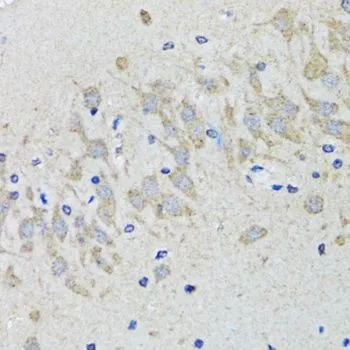
IHC-P analysis of mouse brain tissue using GTX32984 5-HT2B receptor antibody. Dilution : 1:100
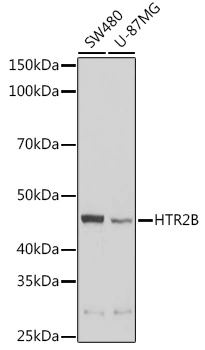
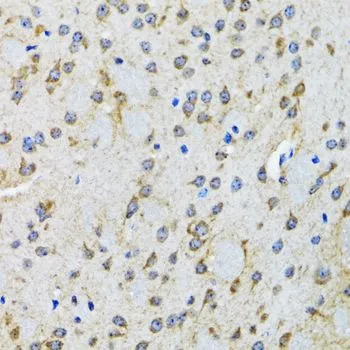
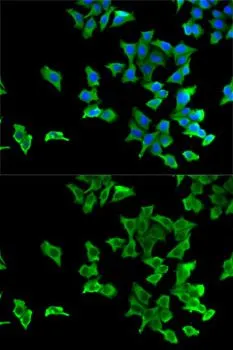
IHC-P analysis of mouse brain tissue using GTX32984 5-HT2B receptor antibody. Dilution : 1:100
5-HT2B receptor antibody
GTX32984

ApplicationsImmunoFluorescence, Western Blot, ImmunoCytoChemistry, ImmunoHistoChemistry, ImmunoHistoChemistry Paraffin
Product group Antibodies
ReactivityHuman, Mouse, Rat
TargetHTR2B
Overview
- SupplierGeneTex
- Product Name5-HT2B receptor antibody
- Delivery Days Customer9
- Application Supplier NoteWB: 1:500 - 1:2000. ICC/IF: 1:10 - 1:100. IHC-P: 1:50 - 1:200. *Optimal dilutions/concentrations should be determined by the researcher.Not tested in other applications.
- ApplicationsImmunoFluorescence, Western Blot, ImmunoCytoChemistry, ImmunoHistoChemistry, ImmunoHistoChemistry Paraffin
- CertificationResearch Use Only
- ClonalityPolyclonal
- ConjugateUnconjugated
- Gene ID3357
- Target nameHTR2B
- Target description5-hydroxytryptamine receptor 2B
- Target synonyms5-HT(2B), 5-HT-2B, 5-HT2B, 5-hydroxytryptamine receptor 2B, 5-HT 2B receptor, 5-hydroxytryptamine (serotonin) receptor 2B, G protein-coupled, 5-hydroxytryptamine 2B receptor, serotonin receptor 2B
- HostRabbit
- IsotypeIgG
- Protein IDP41595
- Protein Name5-hydroxytryptamine receptor 2B
- Scientific DescriptionThis gene encodes one of the several different receptors for 5-hydroxytryptamine (serotonin) that belongs to the G-protein coupled receptor 1 family. Serotonin is a biogenic hormone that functions as a neurotransmitter, a hormone, and a mitogen. Serotonin receptors mediate many of the central and peripheral physiologic functions of serotonin, including regulation of cardiovascular functions and impulsive behavior. Population and family-based analyses of a minor allele (glutamine-to-stop substitution, designated Q20*) which blocks expression of this protein, and knockout studies in mice, suggest a role for this gene in impulsivity. However, other factors, such as elevated testosterone levels, may also be involved. Alternatively spliced transcript variants have been found for this gene. [provided by RefSeq, Mar 2016]
- ReactivityHuman, Mouse, Rat
- Storage Instruction-20°C or -80°C,2°C to 8°C
- UNSPSC41116161
References
- Involvement of the liver-gut peripheral neural axis in nonalcoholic fatty liver disease pathologies via hepatic HTR2A.Read this paper
Datasheet
Related products
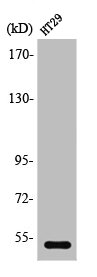
Product group Antibodies

HTR2B AntibodyCSB-PA004148
ApplicationsImmunoFluorescence, Western Blot, ELISA
ReactivityHuman
TargetHTR2B
- SizePrice

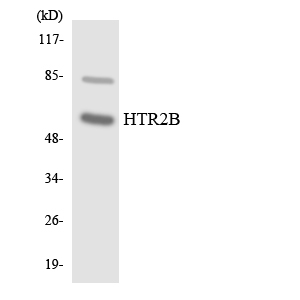
Product group Antibodies

Anti-HTR2B AntibodyA101042
ApplicationsWestern Blot, ELISA
ReactivityHuman
- SizePrice

Product group Antibodies

Anti-HTR2B AntibodyHPA063658
ApplicationsImmunoCytoChemistry
ReactivityHuman
TargetHTR2B
- SizePrice
Product group Antibodies

HTR2B / 5-HT2B Receptor AntibodyLS-C400532
ApplicationsELISA, ImmunoHistoChemistry
ReactivityHuman
TargetHTR2B
- SizePrice
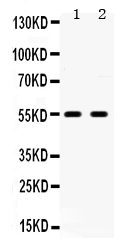
Product group Antibodies

Anti-5HT2B Receptor/HTR2B Antibody Picoband(r)PB9600-CARRIER-FREE
ApplicationsWestern Blot
ReactivityHuman, Rat
TargetHTR2B
- SizePrice
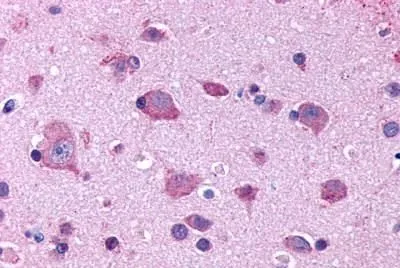
Product group Antibodies
5-HT2B receptor antibodyGTX70497
ApplicationsImmunoHistoChemistry, ImmunoHistoChemistry Paraffin
ReactivityHuman, Monkey
TargetHTR2B
- SizePrice
Product group Antibodies

Anti-HTR2B Antibody144-65965
ApplicationsImmunoFluorescence, Western Blot, ImmunoHistoChemistry
ReactivityHuman, Mouse, Rat
TargetHTR2B
- SizePrice