

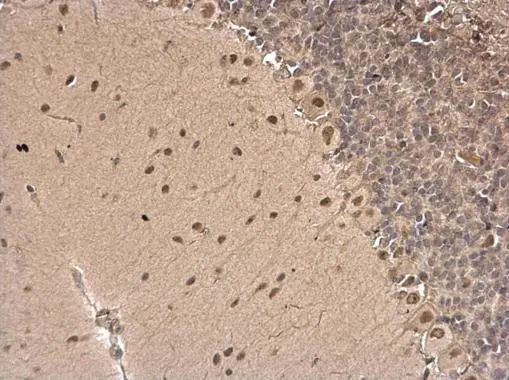
CSB antibody [N2C1], Internal detects CSB protein at nucleus on rat hind brain by immunohistochemical analysis. Sample: Paraffin-embedded rat hind brain. CSB antibody [N2C1], Internal (GTX104589) dilution: 1:500.
Antigen Retrieval: Trilogy? (EDTA based, pH 8.0) buffer, 15min
![CSB antibody [N2C1], Internal detects CSB protein at nucleus by immunohistochemical analysis. Sample: Paraffin-embedded rat brain. CSB stained by CSB antibody [N2C1], Internal (GTX104589) diluted at 1:500. Antigen Retrieval: Citrate buffer, pH 6.0, 15 min](https://www.genetex.com/upload/website/prouct_img/normal/GTX104589/GTX104589_43915_20210507_IHC-P_R_w_23060120_580.webp "CSB antibody [N2C1], Internal detects CSB protein at nucleus by immunohistochemical analysis. Sample: Paraffin-embedded rat brain. CSB stained by CSB antibody [N2C1], Internal (GTX104589) diluted at 1:500. Antigen Retrieval: Citrate buffer, pH 6.0, 15 min")
![CSB antibody [N2C1], Internal detects CSB protein at nucleus by immunohistochemical analysis. Sample: Paraffin-embedded mouse brain. CSB stained by CSB antibody [N2C1], Internal (GTX104589) diluted at 1:500. Antigen Retrieval: Citrate buffer, pH 6.0, 15 min](https://www.genetex.com/upload/website/prouct_img/normal/GTX104589/GTX104589_43915_20210507_IHC-P_M_w_23060120_692.webp "CSB antibody [N2C1], Internal detects CSB protein at nucleus by immunohistochemical analysis. Sample: Paraffin-embedded mouse brain. CSB stained by CSB antibody [N2C1], Internal (GTX104589) diluted at 1:500. Antigen Retrieval: Citrate buffer, pH 6.0, 15 min")
![CSB antibody [N2C1], Internal detects CSB protein at nucleus by immunofluorescent analysis. Sample: HeLa cells were fixed in 4% paraformaldehyde at RT for 15 min. Green: CSB protein stained by CSB antibody [N2C1], Internal (GTX104589) diluted at 1:500. Red: phalloidin, a cytoskeleton marker, diluted at 1:200. Blue: Hoechst 33342 staining. Scale bar = 10 μm.](https://www.genetex.com/upload/website/prouct_img/normal/GTX104589/GTX104589_41649_20150525_IFA_w_23060120_615.webp "CSB antibody [N2C1], Internal detects CSB protein at nucleus by immunofluorescent analysis. Sample: HeLa cells were fixed in 4% paraformaldehyde at RT for 15 min. Green: CSB protein stained by CSB antibody [N2C1], Internal (GTX104589) diluted at 1:500. Red: phalloidin, a cytoskeleton marker, diluted at 1:200. Blue: Hoechst 33342 staining. Scale bar = 10 μm.")
![CSB antibody [N2C1], Internal detects CSB protein at nucleus on mouse muscle by immunohistochemical analysis. Sample: Paraffin-embedded mouse muscle. CSB antibody [N2C1], Internal (GTX104589) dilution: 1:500.
Antigen Retrieval: Trilogy? (EDTA based, pH 8.0) buffer, 15min](https://www.genetex.com/upload/website/prouct_img/normal/GTX104589/GTX104589_41038_IHC_M_w_23060120_755.webp "CSB antibody [N2C1], Internal detects CSB protein at nucleus on mouse muscle by immunohistochemical analysis. Sample: Paraffin-embedded mouse muscle. CSB antibody [N2C1], Internal (GTX104589) dilution: 1:500.
Antigen Retrieval: Trilogy? (EDTA based, pH 8.0) buffer, 15min")
CSB antibody [N2C1], Internal detects CSB protein at nucleus on rat hind brain by immunohistochemical analysis. Sample: Paraffin-embedded rat hind brain. CSB antibody [N2C1], Internal (GTX104589) dilution: 1:500.
Antigen Retrieval: Trilogy? (EDTA based, pH 8.0) buffer, 15min
CSB antibody [N2C1], Internal
GTX104589

ApplicationsImmunoFluorescence, ImmunoCytoChemistry, ImmunoHistoChemistry, ImmunoHistoChemistry Paraffin
Product group Antibodies
ReactivityHuman, Mouse, Rat
TargetERCC6
Overview
- SupplierGeneTex
- Product NameCSB antibody [N2C1], Internal
- Delivery Days Customer9
- Application Supplier NoteICC/IF: 1:100-1:1000. IHC-P: 1:100-1:1000. *Optimal dilutions/concentrations should be determined by the researcher.Not tested in other applications.
- ApplicationsImmunoFluorescence, ImmunoCytoChemistry, ImmunoHistoChemistry, ImmunoHistoChemistry Paraffin
- CertificationResearch Use Only
- ClonalityPolyclonal
- Concentration0.69 mg/ml
- ConjugateUnconjugated
- Gene ID2074
- Target nameERCC6
- Target descriptionERCC excision repair 6, chromatin remodeling factor
- Target synonymsARMD5, CKN2, COFS, COFS1, CSB, CSB-PGBD3, POF11, RAD26, UVSS1, DNA excision repair protein ERCC-6, ERCC6-PGBD3 fusion protein, ATP-dependent helicase ERCC6, Chimeric CSB-PGBD3 protein, Chimeric ERCC6-PGBD3 protein, Cockayne syndrome group B protein, cockayne syndrome protein CSB, excision repair cross-complementation group 6, excision repair cross-complementing rodent repair deficiency, complementation group 6
- HostRabbit
- IsotypeIgG
- Protein IDP0DP91
- Protein NameChimeric ERCC6-PGBD3 protein
- Scientific DescriptionThis gene encodes a DNA-binding protein that is important in transcription-coupled excision repair. The protein has ATP-stimulated ATPase activity; there are contradictory publications reporting presence or absence of helicase activity. The protein appears to interact with several transcription and excision repair proteins, and may promote complex formation at repair sites. Mutations in this gene result in Cockayne syndrome type B. [provided by RefSeq]
- ReactivityHuman, Mouse, Rat
- Storage Instruction-20°C or -80°C,2°C to 8°C
- UNSPSC41116161
Datasheet
Related products

Product group Antibodies

Anti-ERCC6 AntibodyA100676
ApplicationsELISA, ImmunoHistoChemistry
ReactivityHuman
- SizePrice
Product group Antibodies

Anti-CSB (internal) Antibody107-10045
ApplicationsImmunoFluorescence, ImmunoCytoChemistry
ReactivityHuman
TargetERCC6
- SizePrice
Product group Antibodies

ERCC6 AntibodyCSB-PA008134
ApplicationsELISA, ImmunoHistoChemistry
ReactivityHuman
TargetERCC6
- SizePrice
Product group Antibodies

Goat anti-CSB / ERCC6EB05861
ApplicationsELISA, ImmunoHistoChemistry
ReactivityBovine, Canine, Human, Mouse, Porcine, Rat
TargetERCC6
- SizePrice
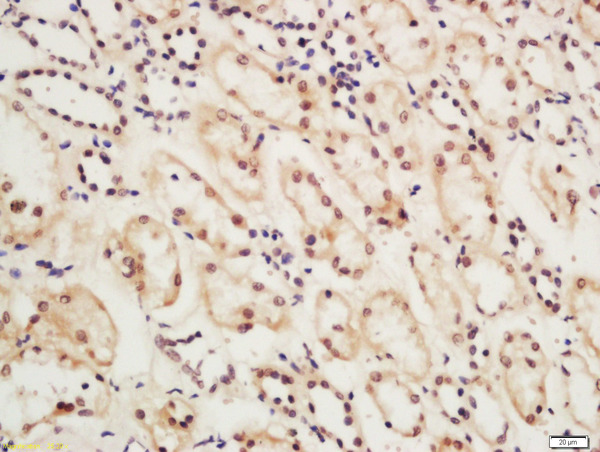
Product group Antibodies

CSB Polyclonal AntibodyBS-14082R
ApplicationsImmunoFluorescence, Western Blot, ELISA, ImmunoCytoChemistry, ImmunoHistoChemistry, ImmunoHistoChemistry Frozen, ImmunoHistoChemistry Paraffin
ReactivityHuman, Mouse, Rat
TargetERCC6
- SizePrice
Product group Antibodies

ERCC6 / CSB Antibody (aa1-50)LS-C288153
ApplicationsImmunoPrecipitation, Western Blot
ReactivityHuman
TargetERCC6
- SizePrice

Product group Antibodies

Anti-ERCC6 AntibodyHPA071297
ApplicationsImmunoCytoChemistry
ReactivityHuman
TargetERCC6
- SizePrice
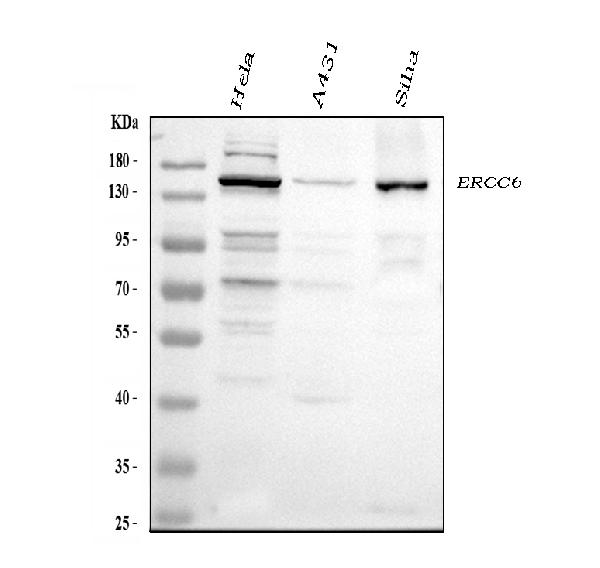
Product group Antibodies

Anti-CSB/ERCC6 Antibody Picoband(r)PB10060-CARRIER-FREE
ApplicationsWestern Blot
ReactivityHuman
TargetERCC6
- SizePrice