

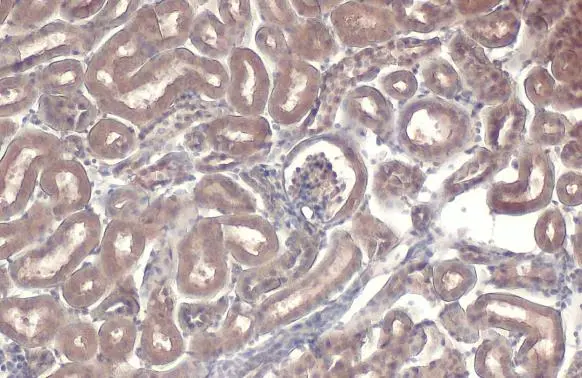
NFkB p65 antibody detects NFkB p65 protein at cytoplasm and nucleus by immunohistochemical analysis. Sample: Paraffin-embedded mouse kidney. NFkB p65 stained by NFkB p65 antibody (GTX102090) diluted at 1:500. Antigen Retrieval: Citrate buffer, pH 6.0, 15 min
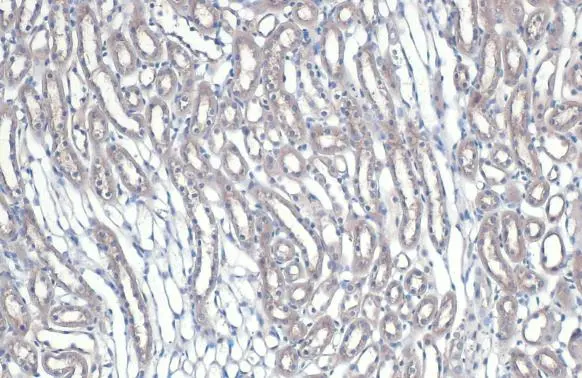
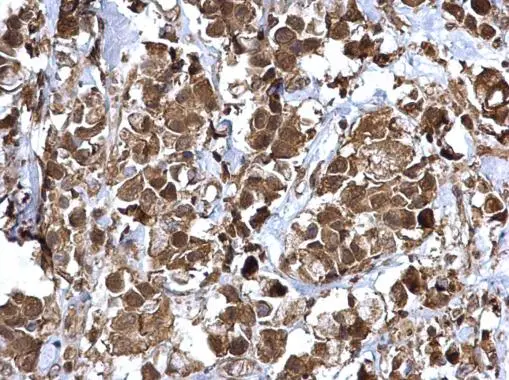
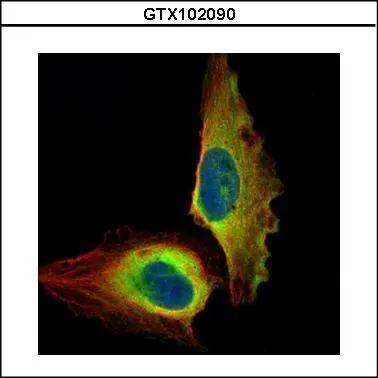
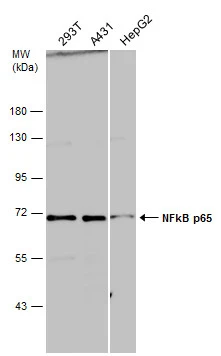
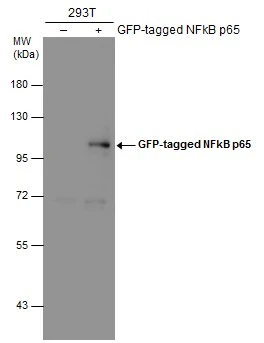
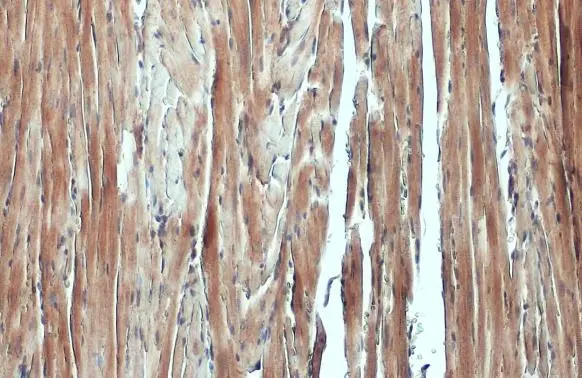
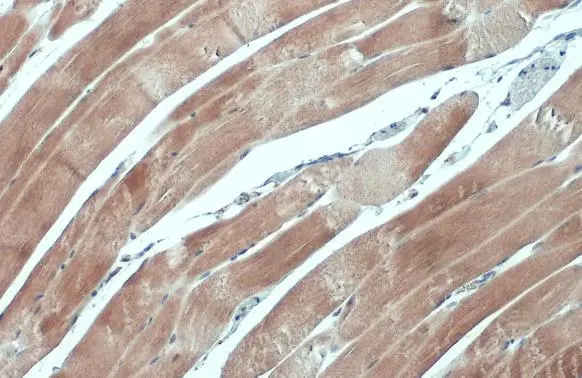
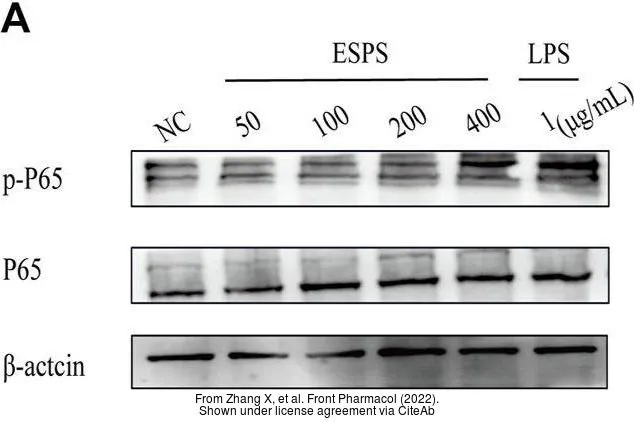
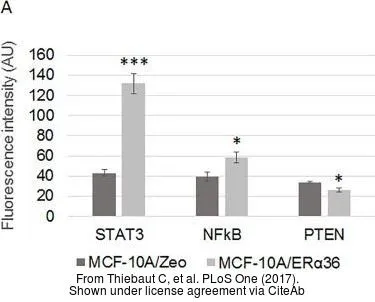
NFkB p65 antibody detects NFkB p65 protein at cytoplasm and nucleus by immunohistochemical analysis. Sample: Paraffin-embedded mouse kidney. NFkB p65 stained by NFkB p65 antibody (GTX102090) diluted at 1:500. Antigen Retrieval: Citrate buffer, pH 6.0, 15 min
NFkB p65 antibody
GTX102090

ApplicationsImmunoFluorescence, ImmunoPrecipitation, Western Blot, ChIP Chromatin ImmunoPrecipitation, ImmunoCytoChemistry, ImmunoHistoChemistry, ImmunoHistoChemistry Frozen, ImmunoHistoChemistry Paraffin
Product group Antibodies
ReactivityHuman, Mouse, Rat
TargetRELA
Overview
- SupplierGeneTex
- Product NameNFkB p65 antibody
- Delivery Days Customer9
- Application Supplier NoteWB: 1:500-1:10000. ICC/IF: 1:100-1:1000. IHC-P: 1:100-1:1000. *Optimal dilutions/concentrations should be determined by the researcher.Not tested in other applications.
- ApplicationsImmunoFluorescence, ImmunoPrecipitation, Western Blot, ChIP Chromatin ImmunoPrecipitation, ImmunoCytoChemistry, ImmunoHistoChemistry, ImmunoHistoChemistry Frozen, ImmunoHistoChemistry Paraffin
- CertificationResearch Use Only
- ClonalityPolyclonal
- Concentration0.49 mg/ml
- ConjugateUnconjugated
- Gene ID5970
- Target nameRELA
- Target descriptionRELA proto-oncogene, NF-kB subunit
- Target synonymsAIF3BL3, CMCU, NFKB3, p65, transcription factor p65, NF-kappa-B p65delta3, NF-kappa-B transcription factor p65, nuclear factor NF-kappa-B p65 subunit, nuclear factor of kappa light polypeptide gene enhancer in B-cells 3, v-rel avian reticuloendotheliosis viral oncogene homolog A
- HostRabbit
- IsotypeIgG
- Protein IDQ04206
- Protein NameTranscription factor p65
- Scientific DescriptionNFKB1 (MIM 164011) or NFKB2 (MIM 164012) is bound to REL (MIM 164910), RELA, or RELB (MIM 604758) to form the NFKB complex. The p50 (NFKB1)/p65 (RELA) heterodimer is the most abundant form of NFKB. The NFKB complex is inhibited by I-kappa-B proteins (NFKBIA, MIM 164008 or NFKBIB, MIM 604495), which inactivate NFKB by trapping it in the cytoplasm. Phosphorylation of serine residues on the I-kappa-B proteins by kinases (IKBKA, MIM 600664, or IKBKB, MIM 603258) marks them for destruction via the ubiquitination pathway, thereby allowing activation of the NFKB complex. Activated NFKB complex translocates into the nucleus and binds DNA at kappa-B-binding motifs such as 5-prime GGGRNNYYCC 3-prime or 5-prime HGGARNYYCC 3-prime (where H is A, C, or T; R is an A or G purine; and Y is a C or T pyrimidine).[supplied by OMIM]
- ReactivityHuman, Mouse, Rat
- Storage Instruction-20°C or -80°C,2°C to 8°C
- UNSPSC41116161
Datasheet
Related products
Product group Antibodies

ApplicationsWestern Blot, ELISA, ImmunoHistoChemistry
ReactivityHuman, Mouse, Rat
- SizePrice
Product group Antibodies

anti-NF-kB (p65), pAbAG-25T-0004
ApplicationsImmunoPrecipitation, Western Blot, ImmunoCytoChemistry
ReactivityHuman, Mouse
TargetRELA
- SizePrice

Product group Antibodies

Anti-RELA Antibody144-02547
ApplicationsImmunoFluorescence, Western Blot, ImmunoHistoChemistry
ReactivityHuman, Rat
TargetRELA
- SizePrice
Product group Antibodies

NFKBp65 AntibodyABX030106
ApplicationsImmunoFluorescence, Western Blot, ELISA, ImmunoCytoChemistry
- SizePrice
Product group Antibodies

RELA / NFKB p65 AntibodyLS-C831476
ApplicationsImmunoHistoChemistry
ReactivityHuman
TargetRELA
- SizePrice

Product group Antibodies

Anti-NF-kB p65/RELA Antibody Picoband(r)A00284-1-CARRIER-FREE
ApplicationsFlow Cytometry, ImmunoFluorescence, Western Blot, ELISA, ImmunoCytoChemistry
ReactivityHuman, Mouse, Rat
TargetRELA
- SizePrice
Product group Antibodies
References

NFKB p65 Polyclonal AntibodyBS-0465R
ApplicationsFlow Cytometry, ImmunoFluorescence, Western Blot, ELISA, ImmunoCytoChemistry, ImmunoHistoChemistry, ImmunoHistoChemistry Frozen, ImmunoHistoChemistry Paraffin
ReactivityBovine, Canine, Chicken, Equine, Human, Mouse, Porcine, Rabbit, Rat, Zebra Fish
TargetRELA
- SizePrice
Product group Antibodies

RELA Monoclonal AntibodyCSB-MA000209
ApplicationsImmunoFluorescence, ImmunoPrecipitation, Western Blot, ELISA, ImmunoHistoChemistry
ReactivityHuman, Mouse, Rat
TargetRELA
- SizePrice
Product group Antibodies

Rela Polyclonal AntibodyCAC07031
ApplicationsImmunoFluorescence, Western Blot, ChIP Chromatin ImmunoPrecipitation, ELISA, ImmunoHistoChemistry
ReactivityMouse
TargetRELA
- SizePrice