

Western Blot analysis of A549 and hela cell using ALDOA Polyclonal Antibody at dilution of 1:500
Western Blot analysis of A549 and hela cell using ALDOA Polyclonal Antibody at dilution of 1:500
ALDOA Polyclonal Antibody
E-AB-10125

ApplicationsWestern Blot, ImmunoHistoChemistry
Product group Antibodies
TargetALDOA
Overview
- SupplierElabscience
- Product NameALDOA Polyclonal Antibody
- Delivery Days Customer12
- ApplicationsWestern Blot, ImmunoHistoChemistry
- Applications SupplierELISA WB IHC
- CertificationResearch Use Only
- ClonalityPolyclonal
- Concentration0.3 mg/ml
- ConjugateUnconjugated
- Gene ID226
- Target nameALDOA
- Target descriptionaldolase, fructose-bisphosphate A
- Target synonymsALDA, GSD12, HEL-S-87p, fructose-bisphosphate aldolase A, aldolase A, fructose-bisphosphate, epididymis secretory sperm binding protein Li 87p, fructose-1,6-bisphosphate triosephosphate-lyase, lung cancer antigen NY-LU-1, muscle-type aldolase
- HostRabbit
- IsotypeIgG
- Protein IDP04075
- Protein NameFructose-bisphosphate aldolase A
- Scientific DescriptionThe protein encoded by this gene, Aldolase A (fructose-bisphosphate aldolase), is a glycolytic enzyme that catalyzes the reversible conversion of fructose-1,6-bisphosphate to glyceraldehyde 3-phosphate and dihydroxyacetone phosphate. Three aldolase isozymes (A, B, and C), encoded by three different genes, are differentially expressed during development. Aldolase A is found in the developing embryo and is produced in even greater amounts in adult muscle. Aldolase A expression is repressed in adult liver, kidney and intestine and similar to aldolase C levels in brain and other nervous tissue. Aldolase A deficiency has been associated with myopathy and hemolytic anemia. Alternative splicing and alternative promoter usage results in multiple transcript variants. Related pseudogenes have been identified on chromosomes 3 and 10.
- Storage Instruction-20°C
- UNSPSC41116161
MSDS
Related products

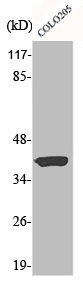
Product group Antibodies

ALDOA AntibodyCSB-PA000862
ApplicationsImmunoFluorescence, Western Blot, ELISA
ReactivityHuman, Mouse, Rat
TargetALDOA
- SizePrice
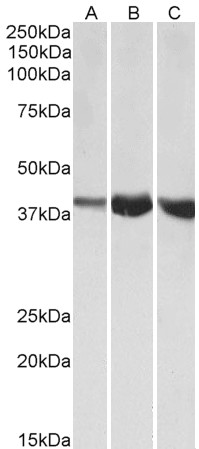
Product group Antibodies

Anti-Aldolase AntibodyA82729
ApplicationsWestern Blot, ELISA
ReactivityHuman, Mouse, Rat
- SizePrice

Product group Antibodies

Anti-Aldolase/ALDOA Antibody Picoband(r)A05022-3-CARRIER-FREE
ApplicationsFlow Cytometry, ImmunoFluorescence, Western Blot, ELISA, ImmunoCytoChemistry, ImmunoHistoChemistry
ReactivityHuman, Mouse, Rat
TargetALDOA
- SizePrice


Product group Antibodies

Anti-ALDOA AntibodyHPA004177
ApplicationsWestern Blot, ImmunoCytoChemistry, ImmunoHistoChemistry
ReactivityHuman
TargetALDOA
- SizePrice
Product group Antibodies

Goat anti-ALDOAEB12391
ApplicationsWestern Blot, ELISA
ReactivityBovine, Canine, Human, Mouse, Rat
TargetALDOA
- SizePrice
Product group Antibodies

ALDOA / Aldolase A AntibodyLS-C400543
ApplicationsWestern Blot, ELISA, ImmunoHistoChemistry
ReactivityHuman, Mouse, Rat
TargetALDOA
- SizePrice
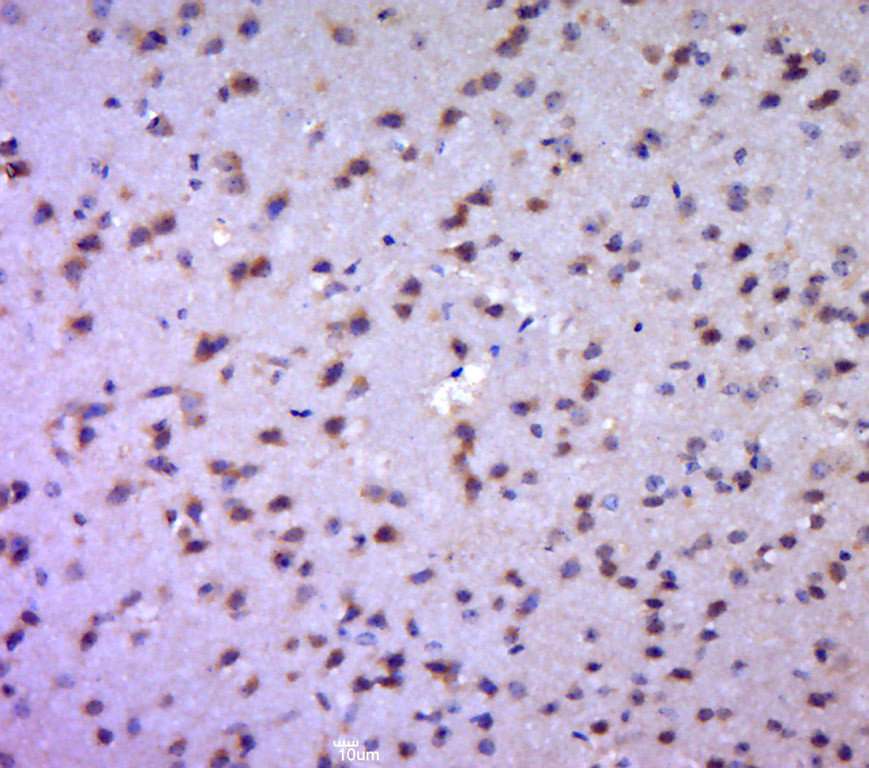
Product group Antibodies

Aldolase A Polyclonal AntibodyBS-2406R
ApplicationsFlow Cytometry, ImmunoFluorescence, Western Blot, ELISA, ImmunoCytoChemistry, ImmunoHistoChemistry, ImmunoHistoChemistry Frozen, ImmunoHistoChemistry Paraffin
ReactivityEquine, Human, Mouse, Rabbit, Rat
TargetALDOA
- SizePrice
Product group Antibodies

Aldoa Polyclonal AntibodyCAC07200
ApplicationsWestern Blot, ELISA, ImmunoHistoChemistry
ReactivityRat
TargetALDOA
- SizePrice