

Anti-ACADL Antibody
ER1901-11

ApplicationsFlow Cytometry, ImmunoFluorescence, Western Blot, ImmunoHistoChemistry, ImmunoHistoChemistry Paraffin
Product group Antibodies
ReactivityHuman, Mouse
TargetAcadl
Overview
- SupplierHUABIO
- Product NameAnti-ACADL Antibody
- Delivery Days Customer7
- ApplicationsFlow Cytometry, ImmunoFluorescence, Western Blot, ImmunoHistoChemistry, ImmunoHistoChemistry Paraffin
- Applications SupplierWB,IF-Cell,IHC-P,FC
- CertificationResearch Use Only
- ClonalityPolyclonal
- Concentration1 mg/ml
- ConjugateUnconjugated
- Gene ID11363
- Target nameAcadl
- Target descriptionacyl-Coenzyme A dehydrogenase, long-chain
- Target synonymsLCAD, long-chain specific acyl-CoA dehydrogenase, mitochondrial, acetyl-Coenzyme A dehydrogenase, long-chain
- HostRabbit
- IsotypeIgG
- Protein IDP51174
- Protein NameLong-chain specific acyl-CoA dehydrogenase, mitochondrial
- Scientific DescriptionACADL is a gene that encodes LCAD - acyl-CoA dehydrogenase, long chain - which is a member of the acyl-CoA dehydrogenase family. The acyl-CoA dehydrogenase family is primarily responsible for beta-oxidation of fatty acids within the mitochondria. LCAD dysfunction is associated with lowered fatty acid oxidation capacity and decreased heat generation. As a result, LCAD deficiency has been correlated with increased cardiac hypertrophy, pulmonary disease, and overall insulin resistance. The LCAD enzyme catalyzes most of fatty acid beta-oxidation by forming a C2-C3 trans-double bond in the fatty acid. LCAD works on long-chain fatty acids, typically between C12 and C16-acylCoA. LCAD is essential for oxidizing unsaturated fatty acids such as oleic acid, but seems redundant in the oxidation of saturated fatty acids. Fatty acid oxidation has proven to spare glucose in fasting conditions, and is also required for amino acid metabolism, which is essential for the maintenance of adequate glucose production. LCAD is regulated by a reversible acetylation mechanism by SIRT3, in which the active form of the enzyme is deacetylated, and hyperacetylation reduces the enzymatic activity.
- ReactivityHuman, Mouse
- Reactivity SupplierHuman,Mouse
- Storage Instruction-20°C,2°C to 8°C
- UNSPSC41116161
Datasheet
Related products
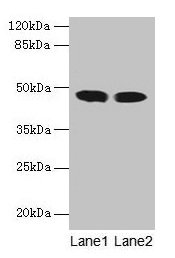
Product group Antibodies

ACADL AntibodyCSB-PA001125LA01HU
ApplicationsWestern Blot, ELISA, ImmunoHistoChemistry
ReactivityHuman, Mouse
TargetACADL
- SizePrice

Product group Antibodies

Anti-ACADL AntibodyHPA011990
ApplicationsWestern Blot, ImmunoHistoChemistry
ReactivityHuman, Mouse, Rat
TargetACADL
- SizePrice
Product group Antibodies

ACADL AntibodyLS-C331394
ApplicationsWestern Blot
ReactivityHuman, Mouse, Rat
TargetACADL
- SizePrice
Product group Antibodies

Acadl Polyclonal AntibodyCAC08206
ApplicationsWestern Blot, ELISA, ImmunoHistoChemistry
ReactivityMouse
TargetACADL
- SizePrice
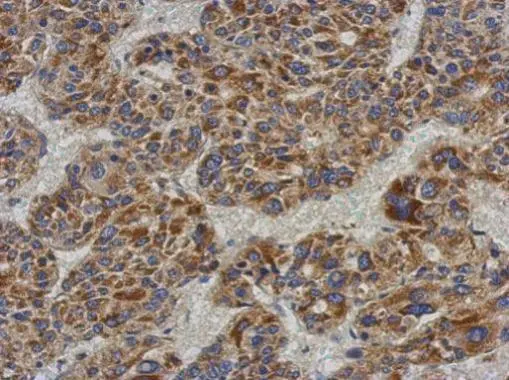
Product group Antibodies

ACADL antibody [N1N2], N-termGTX100486
ApplicationsWestern Blot, ImmunoHistoChemistry, ImmunoHistoChemistry Paraffin
ReactivityHuman
TargetACADL
- SizePrice

Product group Antibodies

Anti-ACADL Antibody144-01266
ApplicationsImmunoFluorescence, Western Blot, ImmunoHistoChemistry
ReactivityHuman, Mouse, Rat
TargetACADL
- SizePrice
Product group Antibodies

ACADL Polyclonal AntibodyBS-10150R
ApplicationsImmunoFluorescence, Western Blot, ELISA, ImmunoCytoChemistry, ImmunoHistoChemistry, ImmunoHistoChemistry Frozen, ImmunoHistoChemistry Paraffin
ReactivityHuman, Mouse, Rat
- SizePrice