

Anti-CD8 Antibody
0108-7

ApplicationsFlow Cytometry, ImmunoFluorescence, Western Blot
Product group Antibodies
TargetCd8a
Overview
- SupplierHUABIO
- Product NameAnti-CD8 Antibody
- Delivery Days Customer7
- ApplicationsFlow Cytometry, ImmunoFluorescence, Western Blot
- Applications SupplierWB,IF-Cell,IHC-P,FC
- CertificationResearch Use Only
- ClonalityPolyclonal
- Concentration1 mg/ml
- ConjugateUnconjugated
- Gene ID12525
- Target nameCd8a
- Target descriptionCD8 subunit alpha
- Target synonymsLy-2, Ly-35, Ly-B, Lyt-2, T-cell surface glycoprotein CD8 alpha chain, CD8 antigen, alpha chain, Lyt-2.1 lymphocyte differentiation antigen (AA at 100), T-cell surface glycoprotein Lyt-2
- HostRabbit
- IsotypeIgG
- Protein IDP01731
- Protein NameT-cell surface glycoprotein CD8 alpha chain
- Scientific DescriptionCD8 (cluster of differentiation 8) is a transmembrane glycoprotein that serves as a co-receptor for the T-cell receptor (TCR). Along with the TCR, the CD8 co-receptor plays a role in T cell signaling and aiding with cytotoxic T cell-antigen interactions. Like the TCR, CD8 binds to a major histocompatibility complex (MHC) molecule, but is specific for the MHC class I protein. There are two isoforms of the protein, alpha and beta, each encoded by a different gene. In humans, both genes are located on chromosome 2 in position 2p12. The CD8 co-receptor is predominantly expressed on the surface of cytotoxic T cells, but can also be found on natural killer cells, cortical thymocytes, and dendritic cells. The CD8 molecule is a marker for cytotoxic T cell population. It is expressed in T cell lymphoblastic lymphoma and hypo-pigmented mycosis fungoides. The extracellular IgV-like domain of CD8-alpha interacts with the alpha3 portion of the Class I MHC molecule. This affinity keeps the T cell receptor of the cytotoxic T cell and the target cell bound closely together during antigen-specific activation. Cytotoxic T cells with CD8 surface protein are called CD8+ T cells. The main recognition site is a flexible loop at the alpha3 domain of an MHC molecule. This was discovered by doing mutational analyses. The flexible alpha3 domain is located between residues 223 and 229 in the genome. In addition to aiding with cytotoxic T cell antigen interactions the CD8 co-receptor also plays a role in T cell signaling. The cytoplasmic tails of the CD8 co-receptor interact with Lck (lymphocyte-specific protein tyrosine kinase). Once the T cell receptor binds its specific antigen Lck phosphorylates the cytoplasmic CD3 and aeta-chains of the TCR complex which initiates a cascade of phosphorylation eventually leading to activation of transcription factors like NFAT, NF-kappaB, and AP-1 which affect the expression of certain genes.
- Reactivity SupplierMouse
- Storage Instruction-20°C,2°C to 8°C
- UNSPSC41116161
Datasheet
Related products
Product group Antibodies

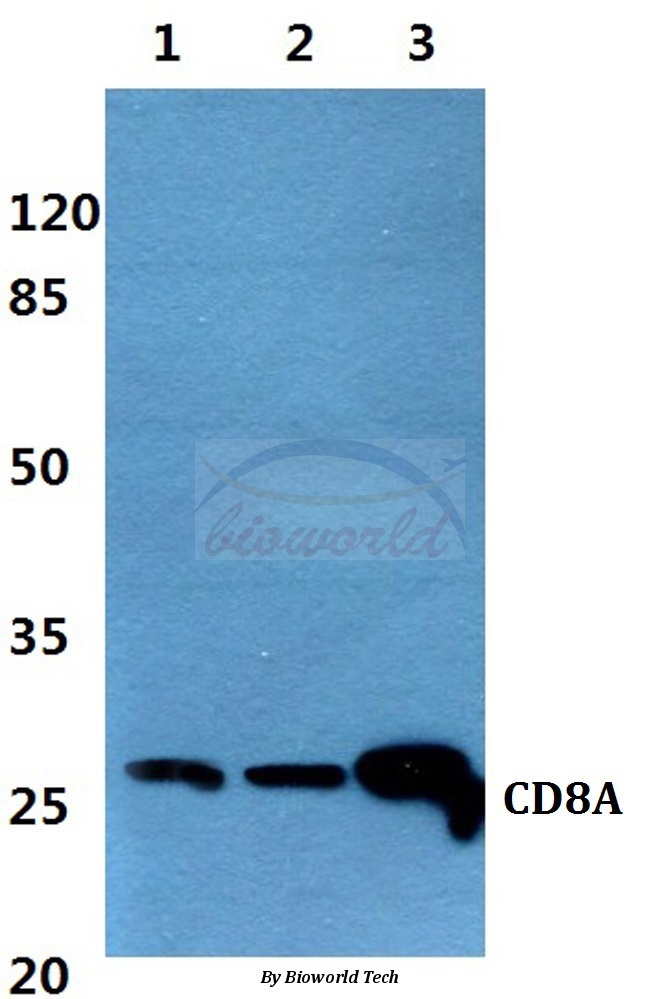
Anti-CD8A AntibodyA28543
ApplicationsWestern Blot
ReactivityHuman, Mouse, Rat
- SizePrice
Product group Antibodies

Anti-CD8 [UCHT4]Ab00694-2.0
ApplicationsFlow Cytometry, ImmunoPrecipitation, ImmunoHistoChemistry, Neutralisation/Blocking
ReactivityHuman, Primate
TargetCD8A
- SizePrice

Product group Antibodies

ApplicationsImmunoCytoChemistry
ReactivityHuman
TargetCD8A
- SizePrice
Product group Antibodies

Anti-CD8A Antibody144-62144
ApplicationsWestern Blot, ImmunoHistoChemistry
ReactivityHuman, Mouse, Rat
TargetCD8A
- SizePrice

Product group Antibodies

Anti-CD8A AntibodyAMAB90883
ApplicationsImmunoHistoChemistry
ReactivityHuman
TargetCD8A
- SizePrice
Product group Antibodies

ApplicationsFlow Cytometry
ReactivityHuman
TargetCD8A
- SizePrice
Product group Antibodies

Cd8A Polyclonal AntibodyCAC07494
ApplicationsELISA, ImmunoHistoChemistry
TargetCD8A
- SizePrice
Product group Antibodies

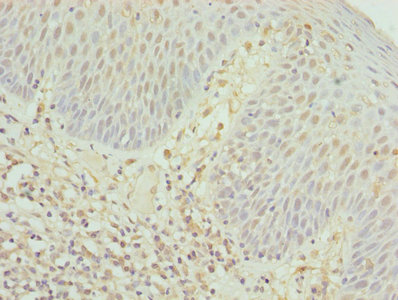
CD8A AntibodyCSB-PA004966LA01HU
ApplicationsELISA, ImmunoHistoChemistry
ReactivityHuman
TargetCD8A
- SizePrice
Product group Antibodies
References

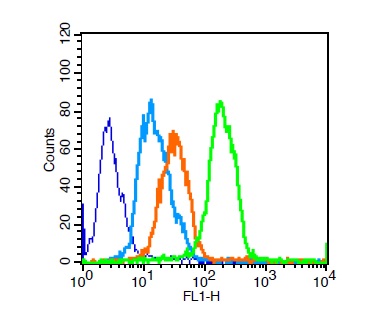
CD8 Polyclonal AntibodyBS-4790R
ApplicationsFlow Cytometry, ImmunoFluorescence, Western Blot, ELISA, ImmunoCytoChemistry, ImmunoHistoChemistry, ImmunoHistoChemistry Frozen, ImmunoHistoChemistry Paraffin
ReactivityHuman
TargetCD8A
- SizePrice
![FACS analysis of human peripheral blood lymphocytes using GTX01467-06 CD8 alpha antibody [RPA-T8] (FITC). Solid lone : primary antibody Dashed line : isotype control antibody amount : 1 μg (5 μl)](https://www.genetex.com/upload/website/prouct_img/normal/GTX01467-06/GTX01467-06_20200428_FACS72_w_23053121_484.webp)
Product group Antibodies

CD8 alpha antibody [RPA-T8] (FITC)GTX01467-06
ApplicationsFlow Cytometry
ReactivityHuman
TargetCD8A
- SizePrice