

Anti-DDB1 Antibody
R1706-21

ApplicationsFlow Cytometry, ImmunoFluorescence, Western Blot, ImmunoHistoChemistry, ImmunoHistoChemistry Paraffin
Product group Antibodies
ReactivityHuman, Mouse, Rat
TargetDDB1
Overview
- SupplierHUABIO
- Product NameAnti-DDB1 Antibody
- Delivery Days Customer7
- ApplicationsFlow Cytometry, ImmunoFluorescence, Western Blot, ImmunoHistoChemistry, ImmunoHistoChemistry Paraffin
- Applications SupplierWB,IF-Cell,IHC-P,FC
- CertificationResearch Use Only
- ClonalityPolyclonal
- Concentration1 mg/ml
- ConjugateUnconjugated
- Gene ID1642
- Target nameDDB1
- Target descriptiondamage specific DNA binding protein 1
- Target synonymsDDBA, UV-DDB1, WHIKERS, XAP1, XPCE, XPE, XPE-BF, DNA damage-binding protein 1, DDB p127 subunit, DNA damage-binding protein a, HBV X-associated protein 1, UV-DDB 1, UV-damaged DNA-binding factor, UV-damaged DNA-binding protein 1, XAP-1, XPE-binding factor, damage-specific DNA binding protein 1, 127kDa, xeroderma pigmentosum group E-complementing protein
- HostRabbit
- IsotypeIgG
- Protein IDQ16531
- Protein NameDNA damage-binding protein 1
- Scientific DescriptionDamaged DNA binding protein (DDB) is a heterodimer composed of two subunits, p127 and p48, which are designated DDB1 and DDB2, respectively. The DDB heterodimer is involved in repairing DNA damaged by ultraviolet light. Specifically, DDB, also designated UV-damaged DNA binding protein (UV-DDB), xeroderma pigmentosum group E binding factor (XPE-BF) and hepatitis B virus X-associated protein 1 (XAP-1), binds to damaged cyclobutane pyrimidine dimers (CPDs). Mutations in the DDB2 gene are implicated as causes of xeroderma pigmentosum group E, an autosomal recessive disease in which patients are defective in nucleotide excision DNA repair. XPE is characterized by hypersensitivity of the skin to sunlight with a high frequency of skin cancer as well as neurologic abnormalities. The hepatitis B virus (HBV) X protein interacts with DDB1, which may mediate HBx transactivation.
- ReactivityHuman, Mouse, Rat
- Reactivity SupplierHuman,Mouse,Rat
- Storage Instruction-20°C,2°C to 8°C
- UNSPSC41116161
Datasheet
Related products

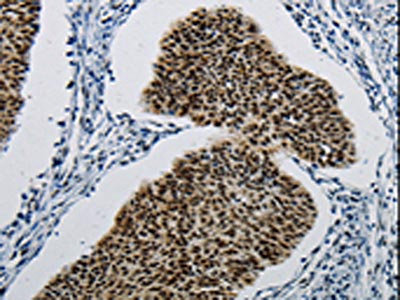
Product group Antibodies

DDB1 AntibodyCSB-PA056628
ApplicationsWestern Blot, ELISA, ImmunoHistoChemistry
ReactivityHuman, Mouse, Rat
TargetDDB1
- SizePrice
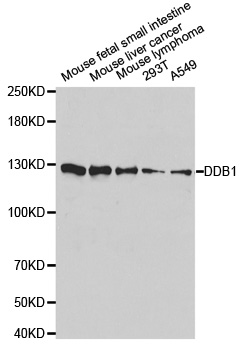
Product group Antibodies

Anti-DDB1 AntibodyA30243
ApplicationsWestern Blot, ImmunoHistoChemistry
ReactivityHuman, Mouse, Rat
- SizePrice
Product group Antibodies
References

Goat anti-DDB1EB05033
ApplicationsWestern Blot, ELISA, ImmunoHistoChemistry
ReactivityBovine, Canine, Human, Mouse, Rat
TargetDDB1
- SizePrice

Product group Antibodies

Anti-DDB1 AntibodyHPA045174
ApplicationsImmunoCytoChemistry, ImmunoHistoChemistry
ReactivityHuman
TargetDDB1
- SizePrice
Product group Antibodies

DDB1 AntibodyLS-C402236
ApplicationsWestern Blot, ELISA, ImmunoHistoChemistry
ReactivityHuman, Mouse, Rat
TargetDDB1
- SizePrice

Product group Antibodies

Anti-DDB1 Antibody Picoband(r)PB9578-CARRIER-FREE
ApplicationsFlow Cytometry, ImmunoFluorescence, Western Blot, ImmunoCytoChemistry, ImmunoHistoChemistry, ImmunoHistoChemistry Frozen
ReactivityBovine, Canine, Equine, Hamster, Human, Monkey, Mouse, Rabbit, Rat
TargetDDB1
- SizePrice
![Non-transfected (–) and transfected (+) 293T whole cell extracts (30 μg) were separated by 7.5% SDS-PAGE, and the membrane was blotted with DDB1 antibody [N1N3] (GTX100129) diluted at 1:5000.](https://www.genetex.com/upload/website/prouct_img/normal/GTX100129/GTX100129_39384_20160728_WB_shRNA_watermark_w_23053123_216.webp)
Product group Antibodies

DDB1 antibody [N1N3]GTX100129
ApplicationsImmunoFluorescence, Western Blot, ImmunoCytoChemistry
ReactivityHuman, Mouse
TargetDDB1
- SizePrice
Product group Antibodies

Anti-DDB1 Antibody144-02896
ApplicationsWestern Blot, ImmunoHistoChemistry
ReactivityHuman, Mouse, Rat
TargetDDB1
- SizePrice
Product group Antibodies

DDB1 Polyclonal AntibodyBS-2588R
ApplicationsImmunoFluorescence, ELISA, ImmunoCytoChemistry, ImmunoHistoChemistry, ImmunoHistoChemistry Frozen, ImmunoHistoChemistry Paraffin
ReactivityBovine, Chicken, Equine, Human, Mouse, Rabbit, Rat
TargetDDB1
- SizePrice