

Anti-TREM2 Antibody
ER2001-05

ApplicationsFlow Cytometry, Western Blot, ImmunoHistoChemistry, ImmunoHistoChemistry Paraffin
Product group Antibodies
ReactivityHuman
TargetTREM2
Overview
- SupplierHUABIO
- Product NameAnti-TREM2 Antibody
- Delivery Days Customer7
- ApplicationsFlow Cytometry, Western Blot, ImmunoHistoChemistry, ImmunoHistoChemistry Paraffin
- Applications SupplierWB,IHC-P,FC
- CertificationResearch Use Only
- ClonalityPolyclonal
- Concentration1 mg/ml
- ConjugateUnconjugated
- Gene ID54209
- Target nameTREM2
- Target descriptiontriggering receptor expressed on myeloid cells 2
- Target synonymsAD17, PLOSL2, TREM-2, Trem2a, Trem2b, Trem2c, triggering receptor expressed on myeloid cells 2, triggering receptor expressed on monocytes 2, triggering receptor expressed on myeloid cells 2a
- HostRabbit
- IsotypeIgG
- Protein IDQ9NZC2
- Protein NameTriggering receptor expressed on myeloid cells 2
- Scientific DescriptionForms a receptor signaling complex with TYROBP which mediates signaling and cell activation following ligand binding. Acts as a receptor for amyloid-beta protein 42, a cleavage product of the amyloid-beta precursor protein APP, and mediates its uptake and degradation by microglia. Binding to amyloid-beta 42 mediates microglial activation, proliferation, migration, apoptosis and expression of pro-inflammatory cytokinesand the anti-inflammatory cytokine ARG1. Acts as a receptor for lipoprotein particles and HDL and for apolipoproteins and CLU and enhances their uptake in microglia. Binds phospholipids such as phosphatidylserine, phosphatidylethanolamine, phosphatidylglycerol and sphingomyelin. Regulates microglial proliferation by acting as an upstream regulator of the Wnt/beta-catenin signaling cascade. Required for microglial phagocytosis of apoptotic neurons. Also required for microglial activation and phagocytosis of myelin debris after neuronal injury and of neuronal synapses during synapse elimination in the developing brain. Regulates microglial chemotaxis and process outgrowth, and also the microglial response to oxidative stress and lipopolysaccharide. It suppresses PI3K and NF-kappa-B signaling in response to lipopolysaccharide; thus promoting phagocytosis, suppressing pro-inflammatory cytokine and nitric oxide production, inhibiting apoptosis and increasing expression of IL10 and TGFB. During oxidative stress, it promotes anti-apoptotic NF-kappa-B signaling and ERK signaling. Plays a role in microglial MTOR activation and metabolism. Regulates age-related changes in microglial numbers. Triggers activation of the immune responses in macrophages and dendritic cells. Mediates cytokine-induced formation of multinucleated giant cells which are formed by the fusion of macrophages.
- ReactivityHuman
- Reactivity SupplierHuman
- Storage Instruction-20°C,2°C to 8°C
- UNSPSC41116161
Datasheet
Related products
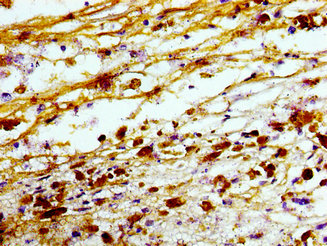
Product group Antibodies

TREM2 AntibodyCSB-PA024405LA01HU
ApplicationsImmunoFluorescence, ELISA, ImmunoHistoChemistry
ReactivityHuman
TargetTREM2
- SizePrice
Product group Antibodies

Anti-TREM2 AntibodyA02150
ApplicationsWestern Blot, ELISA
ReactivityHuman, Mouse
TargetTREM2
- SizePrice
Product group Antibodies

ApplicationsELISA
ReactivityHuman
TargetTREM2
- SizePrice

Product group Antibodies

Goat anti-TREM2EB07921
ApplicationsFlow Cytometry, ImmunoFluorescence, ELISA, ImmunoHistoChemistry
ReactivityHuman
TargetTREM2
- SizePrice
Product group Antibodies

Trem2 Polyclonal AntibodyCAC11206
ApplicationsImmunoFluorescence, ELISA, ImmunoHistoChemistry
TargetTREM2
- SizePrice

Product group Antibodies
References

TREM2 Polyclonal AntibodyBS-2723R
ApplicationsImmunoFluorescence, Western Blot, ELISA, ImmunoCytoChemistry, ImmunoHistoChemistry, ImmunoHistoChemistry Frozen, ImmunoHistoChemistry Paraffin
ReactivityHuman, Mouse
TargetTREM2
- SizePrice

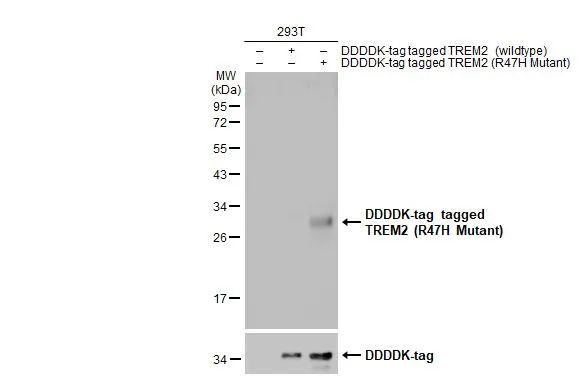
Product group Antibodies

TREM2 (R47H Mutant) antibodyGTX135408
ApplicationsWestern Blot
ReactivityHuman
TargetTREM2
- SizePrice