

CD26(202-36), 0.2mg/mL [26628-22-8]
BNUB0888

ApplicationsFunctional Assay, Flow Cytometry, ImmunoFluorescence
Product group Antibodies
ReactivityBovine, Human, Mouse, Rat
TargetDPP4
Overview
- SupplierBiotium
- Product NameCD26(202-36), 0.2mg/mL [26628-22-8]
- Delivery Days Customer9
- ApplicationsFunctional Assay, Flow Cytometry, ImmunoFluorescence
- CAS Number26628-22-8
- CertificationResearch Use Only
- ClonalityMonoclonal
- Clone ID202-36
- Concentration0.2 mg/ml
- Gene ID1803
- Target nameDPP4
- Target descriptiondipeptidyl peptidase 4
- Target synonymsADABP, ADCP2, CD26, DPPIV, TP103, dipeptidyl peptidase 4, ADCP-2, DPP IV, Gly-Pro naphthylamidase, Post-proline dipeptidyl aminopeptidase IV, T-cell activation antigen CD26, Xaa-Pro-dipeptidylaminopeptidase, adenosine deaminase complexing protein 2, dipeptidyl peptidase IV, dipeptidylpeptidase 4, dipeptidylpeptidase IV (CD26, adenosine deaminase complexing protein 2)
- HostMouse
- IsotypeIgG2b
- Protein IDP27487
- Protein NameDipeptidyl peptidase 4
- Scientific DescriptionRecognizes a glycoprotein of 110 kDa, identified as CD26 (Workshop VI; Code: N-L039). It is an atypical serine protease belonging to the prolyl oligopeptidase family. It is expressed on lymphocyte cells and is upregulated during T-cell activation. CD26 is also expressed on activated B cells and natural killer cells and abundantly on epithelia. CD26 is implicated in a variety of biological functions including T-cell activation, cell adhesion with extracellular matrix such as fibronectin or collagens, and in HIV infection. Cross-linking of CD26 using this antibody dramatically enhances the anti-CD3-induced IL-2 production. In Western blotting, this MAb reacts with only glycosylated CD26, but not with the deglycosylated form. It does not prevent ADA binding to CD26.Primary antibodies are available purified, or with a selection of fluorescent CF® Dyes and other labels. CF® Dyes offer exceptional brightness and photostability. Note: Conjugates of blue fluorescent dyes like CF®405S and CF®405M are not recommended for detecting low abundance targets, because blue dyes have lower fluorescence and can give higher non-specific background than other dye colors.
- SourceAnimal
- ReactivityBovine, Human, Mouse, Rat
- Storage Instruction2°C to 8°C,RT
- UNSPSC41116161
MSDS
Related products
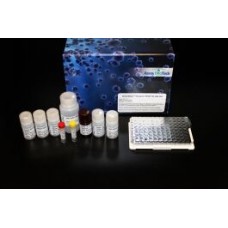
Product group Antibodies

Anti-DPP4 AntibodyA99907
ApplicationsWestern Blot, ELISA, ImmunoHistoChemistry
ReactivityHuman
- SizePrice
Product group Antibodies

Anti-DPP4 Antibody144-01455
ApplicationsWestern Blot
ReactivityHuman, Mouse, Rat
TargetDPP4
- SizePrice
Product group Antibodies

Anti-CD26 [ZHB-2cF9]AB04149-10.0
ApplicationsWestern Blot, ELISA, Neutralisation/Blocking
ReactivityHuman
TargetDPP4
- SizePrice

Product group Antibodies

ApplicationsWestern Blot
ReactivityHuman, Mouse, Rat
TargetDPP4
- SizePrice
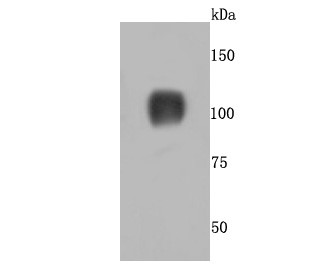
Product group Antibodies

CD26 (4A9) Monoclonal AntibodyBSM-52968R
ApplicationsFlow Cytometry, ImmunoFluorescence, Western Blot, ImmunoCytoChemistry, ImmunoHistoChemistry, ImmunoHistoChemistry Paraffin
ReactivityHuman, Mouse, Rat
TargetDPP4
- SizePrice
Product group Antibodies

Goat anti-DPP4 / CD26EB07835
ApplicationsFlow Cytometry, Western Blot, ELISA, ImmunoHistoChemistry
ReactivityHuman, Mouse, Rat
TargetDPP4
- SizePrice
Product group Antibodies

Dpp4 Polyclonal AntibodyCAC11139
ApplicationsImmunoFluorescence, Western Blot, ELISA, ImmunoHistoChemistry
ReactivityRat
TargetDPP4
- SizePrice
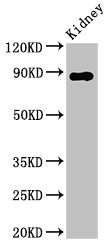
Product group Antibodies

DPP4 AntibodyCSB-PA06229A0RB
ApplicationsImmunoFluorescence, Western Blot, ELISA, ImmunoHistoChemistry
ReactivityHuman, Rat
TargetDPP4
- SizePrice
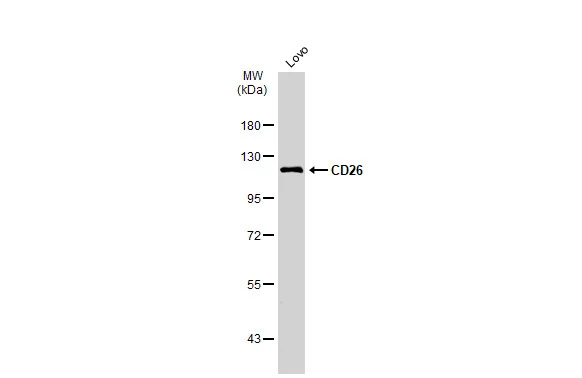
Product group Antibodies

CD26 antibodyGTX135137
ApplicationsWestern Blot
ReactivityHuman
TargetDPP4
- SizePrice
Product group Antibodies

DPP4 / CD26 Antibody (Internal)LS-C368600
ApplicationsWestern Blot
ReactivityHuman, Mouse
TargetDPP4
- SizePrice