

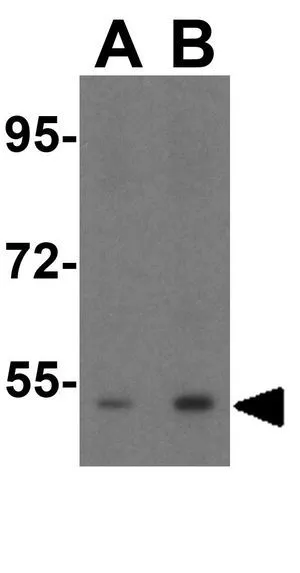
WB analysis of rat spleen tissue lysate using GTX31260 CX3CR1 antibody. Working concentration : (A) 1 and (B) 2 μg/ml
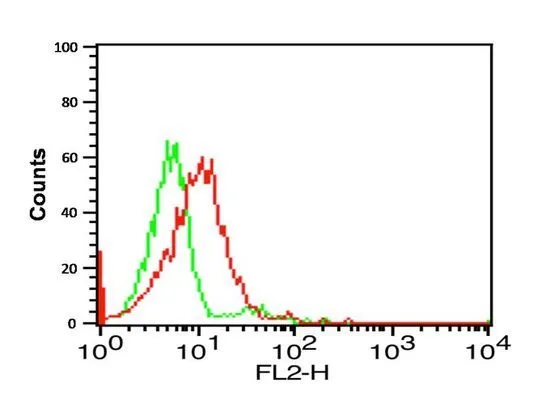
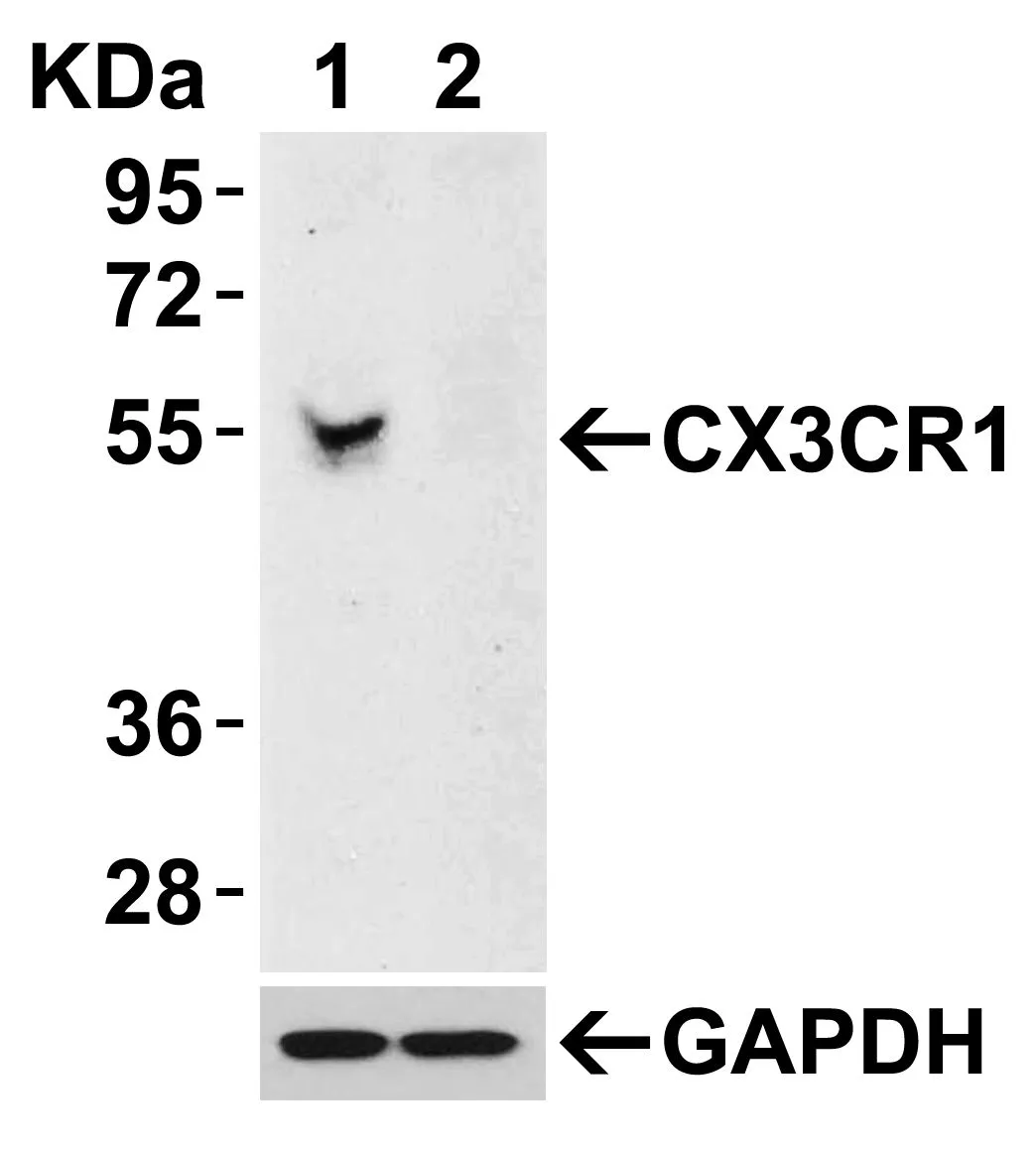
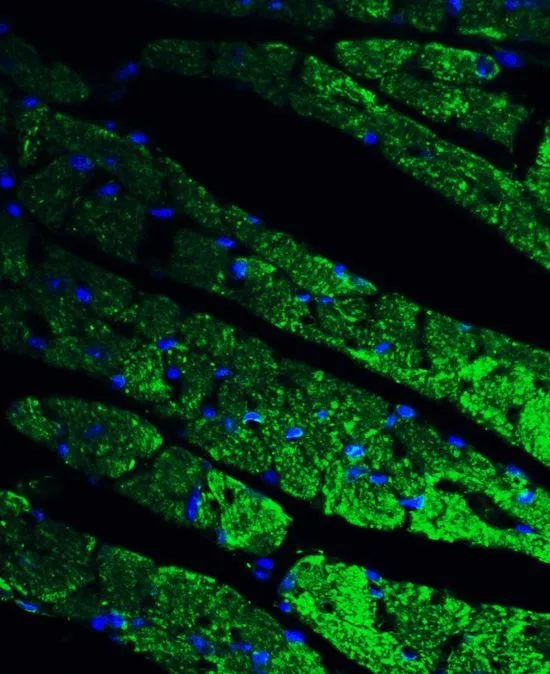
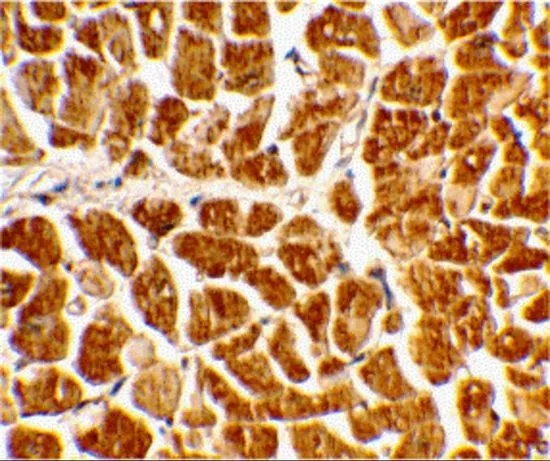
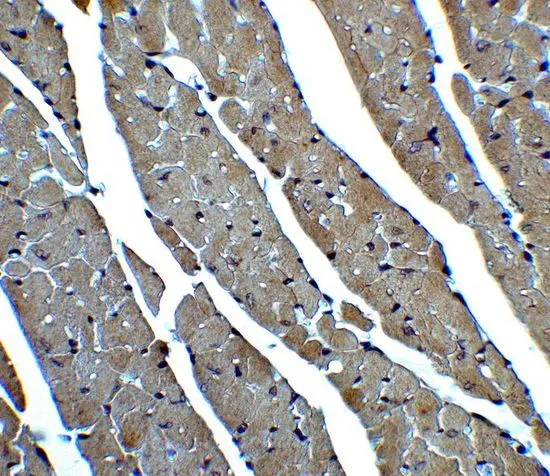
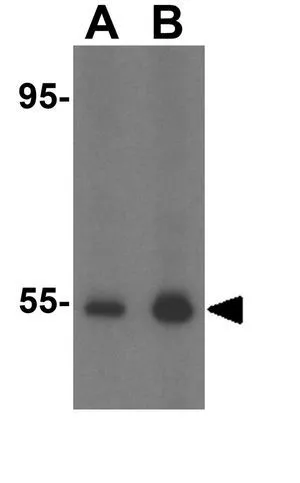
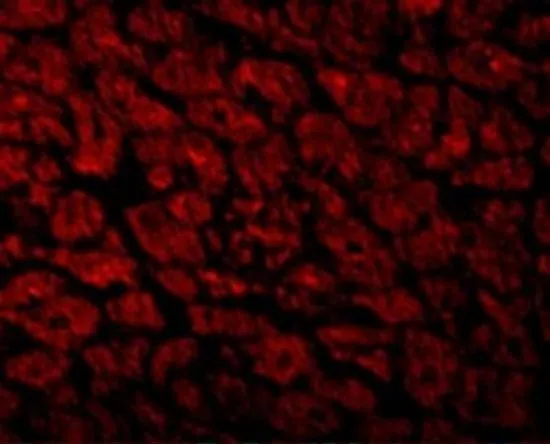
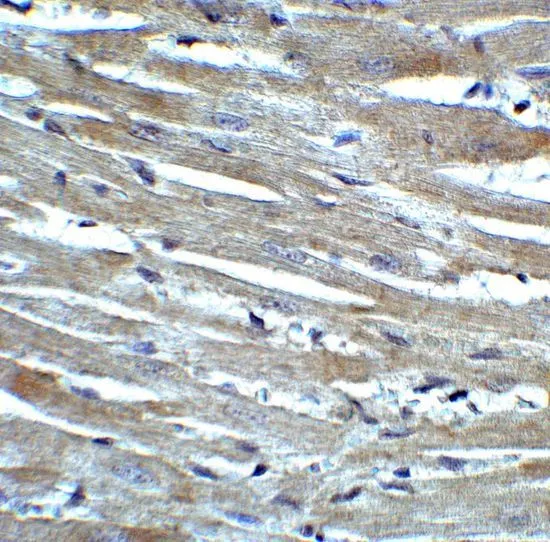
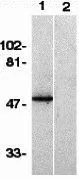
WB analysis of rat spleen tissue lysate using GTX31260 CX3CR1 antibody. Working concentration : (A) 1 and (B) 2 μg/ml
CX3CR1 antibody
GTX31260

ApplicationsFlow Cytometry, Western Blot, ELISA, ImmunoHistoChemistry, ImmunoHistoChemistry Paraffin
Product group Antibodies
ReactivityHuman, Mouse, Rat
TargetCX3CR1
Overview
- SupplierGeneTex
- Product NameCX3CR1 antibody
- Delivery Days Customer9
- Application Supplier NoteWB: 0.5 - 1 microg/mL. IHC-P: 2 microg/mL. FCM: 0.1 microg/ml. *Optimal dilutions/concentrations should be determined by the researcher.Not tested in other applications.
- ApplicationsFlow Cytometry, Western Blot, ELISA, ImmunoHistoChemistry, ImmunoHistoChemistry Paraffin
- CertificationResearch Use Only
- ClonalityPolyclonal
- Concentration1 mg/ml
- ConjugateUnconjugated
- Gene ID1524
- Target nameCX3CR1
- Target descriptionC-X3-C motif chemokine receptor 1
- Target synonymsCCRL1, CMKBRL1, CMKDR1, GPR13, GPRV28, V28, CX3C chemokine receptor 1, C-X3-C CKR-1, CMK-BRL-1, CMK-BRL1, G-protein coupled receptor 13, beta chemokine receptor-like 1, chemokine (C-C) receptor-like 1, chemokine (C-X3-C motif) receptor 1, chemokine (C-X3-C) receptor 1, fractalkine receptor
- HostRabbit
- IsotypeIgG
- Protein IDP49238
- Protein NameCX3C chemokine receptor 1
- Scientific DescriptionFractalkine is a transmembrane protein and chemokine involved in the adhesion and migration of leukocytes. The protein encoded by this gene is a receptor for fractalkine. The encoded protein also is a coreceptor for HIV-1, and some variations in this gene lead to increased susceptibility to HIV-1 infection and rapid progression to AIDS. Four transcript variants encoding two different isoforms have been found for this gene. [provided by RefSeq, Jan 2010]
- ReactivityHuman, Mouse, Rat
- Storage Instruction-20°C or -80°C,2°C to 8°C
- UNSPSC41116161
References
- Early Phase of Type 1 Diabetes Decreases the Responsiveness of C-Fiber Nociceptors in the Temporomandibular Joint of Rats. Rocha-Neto LM et al., 2019 Sep 15, NeuroscienceRead this paper
Datasheet
Related products
Product group Antibodies

CX3CR1 AntibodyCSB-PA004776
ApplicationsWestern Blot, ELISA
ReactivityHuman, Mouse, Rat
TargetCX3CR1
- SizePrice

Product group Antibodies

Anti-CX3CR1 AntibodyA00280-2-CARRIER-FREE
ApplicationsFlow Cytometry, ELISA, ImmunoHistoChemistry
ReactivityHuman
TargetCX3CR1
- SizePrice
Product group Antibodies

Anti-CX3CR1 AntibodyA82937
ApplicationsWestern Blot, ELISA
ReactivityHuman
- SizePrice
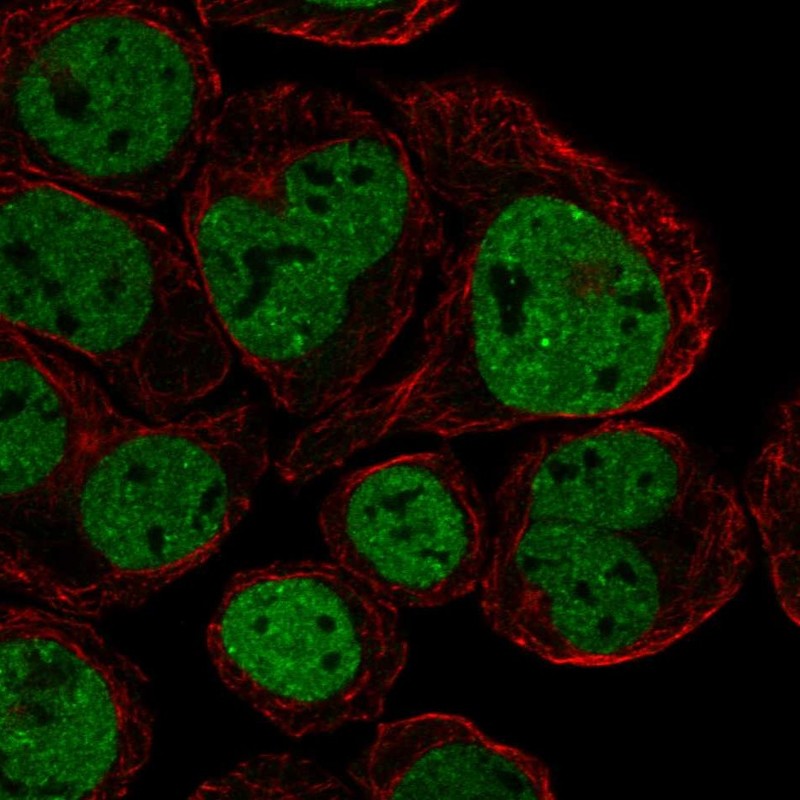
Product group Antibodies

Anti-CX3CR1 AntibodyHPA030311
ApplicationsImmunoCytoChemistry
ReactivityHuman
TargetCX3CR1
- SizePrice
Product group Antibodies

Goat anti-CX3CR1 (aa34-47)EB12515
ApplicationsWestern Blot, ELISA
ReactivityHuman
TargetCX3CR1
- SizePrice

Product group Antibodies

CX3CR1 AntibodyLS-C332272
ApplicationsWestern Blot
ReactivityHuman, Mouse, Rat
TargetCX3CR1
- SizePrice
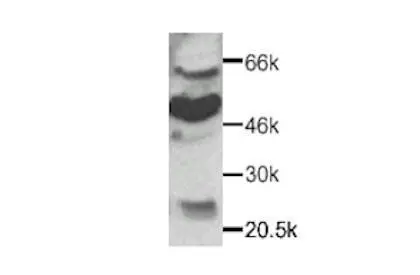
Product group Antibodies
CX3CR1 antibodyGTX27201
ApplicationsImmunoPrecipitation, Western Blot, ImmunoHistoChemistry, ImmunoHistoChemistry Frozen
ReactivityHuman, Rat
TargetCX3CR1
- SizePrice
Product group Antibodies

ApplicationsImmunoPrecipitation, Western Blot, ImmunoCytoChemistry, ImmunoHistoChemistry
TargetCX3CR1
- SizePrice
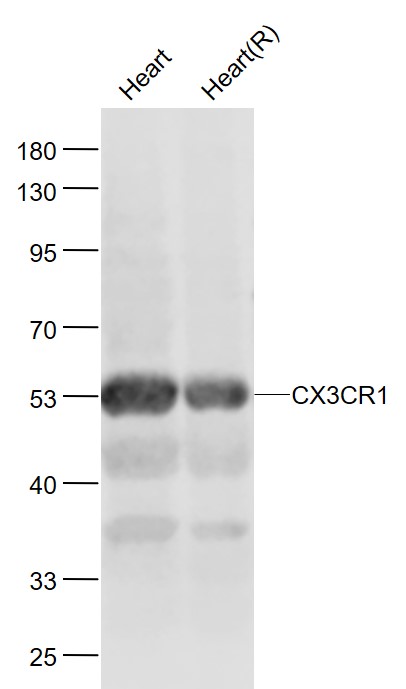
Product group Antibodies
References

CX3CR1 Polyclonal AntibodyBS-1728R
ApplicationsFlow Cytometry, Western Blot, ELISA, ImmunoHistoChemistry, ImmunoHistoChemistry Frozen, ImmunoHistoChemistry Paraffin
ReactivityBovine, Canine, Human, Mouse, Rabbit, Rat
TargetCX3CR1
- SizePrice