

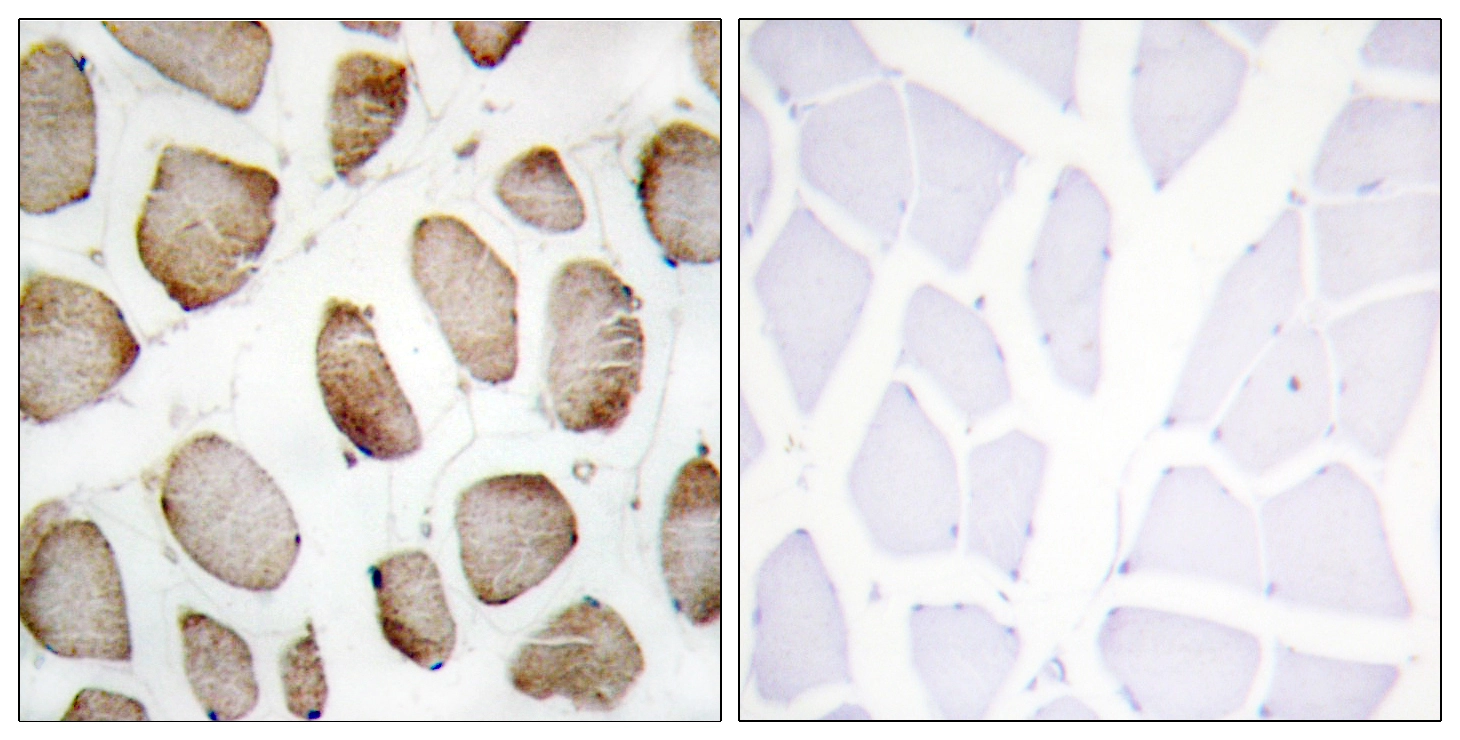
IHC-P analysis of human skeletal muscle tissue using GTX87067 DUS2L antibody. The picture on the right is blocked with the synthesized peptide.
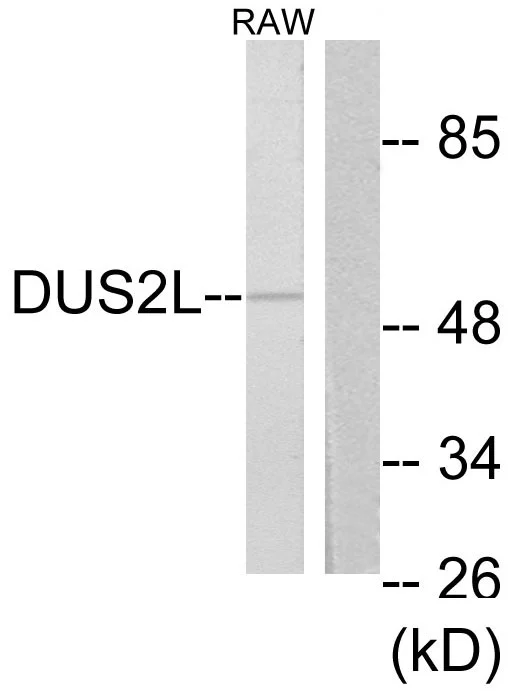
IHC-P analysis of human skeletal muscle tissue using GTX87067 DUS2L antibody. The picture on the right is blocked with the synthesized peptide.
DUS2L antibody
GTX87067

ApplicationsWestern Blot, ImmunoHistoChemistry, ImmunoHistoChemistry Paraffin
Product group Antibodies
ReactivityHuman, Mouse
TargetDUS2
Overview
- SupplierGeneTex
- Product NameDUS2L antibody
- Delivery Days Customer9
- Application Supplier NoteWB: 1:500~1:1000. IHC-P: 1:50~1:100. *Optimal dilutions/concentrations should be determined by the researcher.Not tested in other applications.
- ApplicationsWestern Blot, ImmunoHistoChemistry, ImmunoHistoChemistry Paraffin
- CertificationResearch Use Only
- ClonalityPolyclonal
- ConjugateUnconjugated
- Gene ID54920
- Target nameDUS2
- Target descriptiondihydrouridine synthase 2
- Target synonymsDUS2L, SMM1, URLC8, tRNA-dihydrouridine(20) synthase [NAD(P)+]-like, SMM1 homolog, dihydrouridine synthase 2-like, SMM1 homolog, tRNA-dihydrouridine(20) synthase (NAD(P)(+)), up-regulated in lung cancer protein 8
- HostRabbit
- IsotypeIgG
- Protein IDQ9NX74
- Protein NametRNA-dihydrouridine(20) synthase [NAD(P)+]-like
- Scientific DescriptionThis gene encodes a cytoplasmic protein that catalyzes the conversion of uridine residues to dihydrouridine in the D-loop of tRNA. The resulting modified bases confer enhanced regional flexibility to tRNA. The encoded protein may increase the rate of translation by inhibiting an interferon-induced protein kinase. This gene has been implicated in pulmonary carcinogenesis. Alternatively spliced transcript variants have been described for this gene. [provided by RefSeq, Nov 2012]
- ReactivityHuman, Mouse
- Storage Instruction-20°C or -80°C,2°C to 8°C
- UNSPSC12352203
Datasheet
Related products
Product group Antibodies

Anti-DUS2L (C-term) Antibody102-23126
ApplicationsWestern Blot
TargetDUS2
- SizePrice
Product group Antibodies
DUS2L antibodyGTX121407
ApplicationsWestern Blot, ImmunoHistoChemistry, ImmunoHistoChemistry Paraffin
ReactivityHuman
TargetDUS2
- SizePrice
Product group Antibodies
DUS2L antibodyGTX121408
ApplicationsImmunoFluorescence, Western Blot, ImmunoCytoChemistry, ImmunoHistoChemistry, ImmunoHistoChemistry Paraffin
ReactivityHuman
TargetDUS2
- SizePrice
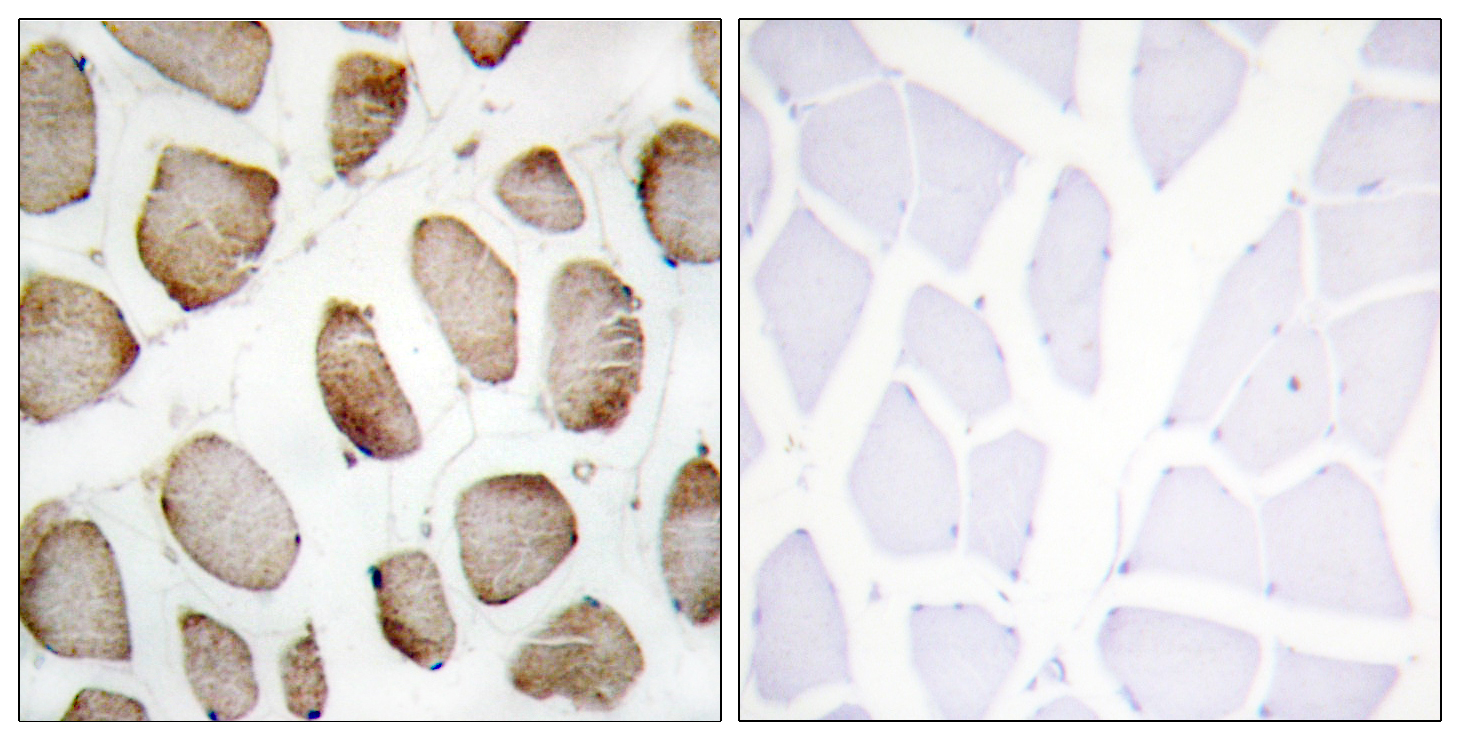
Product group Antibodies

Anti-DUS2L AntibodyA97583
ApplicationsWestern Blot, ELISA, ImmunoHistoChemistry
ReactivityHuman, Mouse
- SizePrice
Product group Antibodies

DUS2 AntibodyCSB-PA030155
ApplicationsWestern Blot, ELISA, ImmunoHistoChemistry
ReactivityHuman, Mouse
TargetDUS2
- SizePrice

Product group Antibodies

ApplicationsImmunoFluorescence, Western Blot, ELISA, ImmunoCytoChemistry, ImmunoHistoChemistry
TargetDUS2
- SizePrice
Product group Antibodies

DUS2 / DUS2L AntibodyLS-C760859
ApplicationsWestern Blot, ImmunoHistoChemistry
ReactivityHuman, Monkey, Mouse, Rat
TargetDUS2
- SizePrice
Product group Antibodies

DUS2L AntibodyABX122684
ApplicationsWestern Blot, ELISA, ImmunoHistoChemistry
- SizePrice
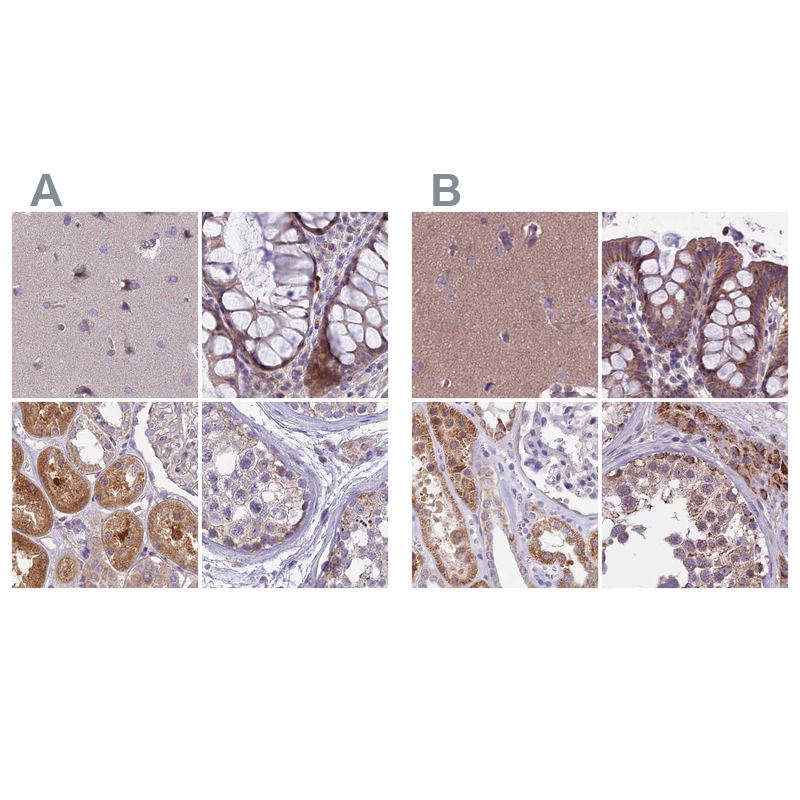
Product group Antibodies

Anti-DUS2 AntibodyHPA043528
ApplicationsImmunoCytoChemistry, ImmunoHistoChemistry
ReactivityHuman
TargetDUS2
- SizePrice