

E-Cadherin antibody
GTX100443

ApplicationsImmunoFluorescence, ImmunoPrecipitation, Western Blot, ImmunoCytoChemistry, ImmunoHistoChemistry, ImmunoHistoChemistry Paraffin, Other Application
Product group Antibodies
ReactivityCanine, Human, Mouse, Rat, Zebra Fish
TargetCDH1
Overview
- SupplierGeneTex
- Product NameE-Cadherin antibody
- Delivery Days Customer9
- Application Supplier NoteWB: 1:500-1:10000. ICC/IF: 1:100-1:1000. IHC-P: 1:100-1:1000. IP: 1:100-1:500. *Optimal dilutions/concentrations should be determined by the researcher.Not tested in other applications.
- ApplicationsImmunoFluorescence, ImmunoPrecipitation, Western Blot, ImmunoCytoChemistry, ImmunoHistoChemistry, ImmunoHistoChemistry Paraffin, Other Application
- CertificationResearch Use Only
- ClonalityPolyclonal
- Concentration0.14 mg/ml
- ConjugateUnconjugated
- Gene ID999
- Target nameCDH1
- Target descriptioncadherin 1
- Target synonymsArc-1, BCDS1, CD324, CDHE, ECAD, LCAM, UVO, cadherin-1, CAM 120/80, E-cadherin 1, cadherin 1, E-cadherin (epithelial), cadherin 1, type 1, E-cadherin (epithelial), calcium-dependent adhesion protein, epithelial, cell-CAM 120/80, epididymis secretory sperm binding protein, epithelial cadherin, uvomorulin
- HostRabbit
- IsotypeIgG
- Protein IDP12830
- Protein NameCadherin-1
- Scientific DescriptionThis gene is a classical cadherin from the cadherin superfamily. The encoded protein is a calcium dependent cell-cell adhesion glycoprotein comprised of five extracellular cadherin repeats, a transmembrane region and a highly conserved cytoplasmic tail. Mutations in this gene are correlated with gastric, breast, colorectal, thyroid and ovarian cancer. Loss of function is thought to contribute to progression in cancer by increasing proliferation, invasion, and/or metastasis. The ectodomain of this protein mediates bacterial adhesion to mammalian cells and the cytoplasmic domain is required for internalization. Identified transcript variants arise from mutation at consensus splice sites. [provided by RefSeq]
- ReactivityCanine, Human, Mouse, Rat, Zebra Fish
- Storage Instruction-20°C or -80°C,2°C to 8°C
- UNSPSC41116161
Datasheet
Related products

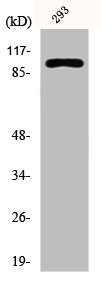
Product group Antibodies

CDH1 AntibodyCSB-PA002243
ApplicationsImmunoFluorescence, Western Blot, ELISA, ImmunoHistoChemistry
ReactivityHuman
TargetCDH1
- SizePrice
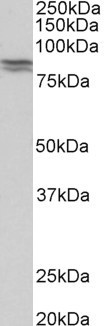
Product group Antibodies

Anti-E Cadherin AntibodyA83532
ApplicationsWestern Blot, ELISA, ImmunoHistoChemistry
ReactivityHuman, Mouse, Porcine, Rat
- SizePrice

Product group Antibodies

Anti-CDH1 AntibodyAMAB90862
ApplicationsWestern Blot, ImmunoCytoChemistry, ImmunoHistoChemistry
ReactivityHuman
TargetCDH1
- SizePrice
Product group Antibodies

Anti-E Cadherin [4A2]AB01700-1.1-BT
ApplicationsFlow Cytometry, ImmunoFluorescence, ImmunoPrecipitation, Western Blot, ImmunoHistoChemistry
ReactivityHuman, Mouse, Rat
TargetCDH1
- SizePrice
Product group Antibodies

CDH1 / E Cadherin Antibody (aa155-709)LS-C293089
ApplicationsImmunoPrecipitation, Western Blot, ImmunoCytoChemistry
ReactivityRat
TargetCDH1
- SizePrice
Product group Antibodies

Goat anti-CDH1 (aa662-675)EB11206
ApplicationsWestern Blot, ELISA, ImmunoHistoChemistry
ReactivityCanine, Human, Mouse, Porcine, Rat
TargetCDH1
- SizePrice
Product group Antibodies

ApplicationsFlow Cytometry, Western Blot, ImmunoCytoChemistry, ImmunoHistoChemistry, ImmunoHistoChemistry Frozen
ReactivityHuman
TargetCDH1
- SizePrice
Product group Antibodies

Cdh1 Polyclonal AntibodyCAC11436
ApplicationsImmunoFluorescence, ImmunoPrecipitation, Western Blot, ELISA, ImmunoHistoChemistry
TargetCDH1
- SizePrice

Product group Antibodies

Anti-E Cadherin 1/CDH1 Antibody Picoband(r)PB9561-CARRIER-FREE
ApplicationsImmunoFluorescence, Western Blot, ELISA, ImmunoCytoChemistry, ImmunoHistoChemistry, ImmunoHistoChemistry Frozen
ReactivityHuman, Mouse, Rat
TargetCDH1
- SizePrice