

ELISA Kit for Acid Sphingomyelinase (ASM)
SEB360HU

Product group Assays
Overview
- SupplierCloud-Clone Corp.
- Product NameELISA Kit for Acid Sphingomyelinase (ASM)
- Delivery Days Customer12
- ApplicationsELISA
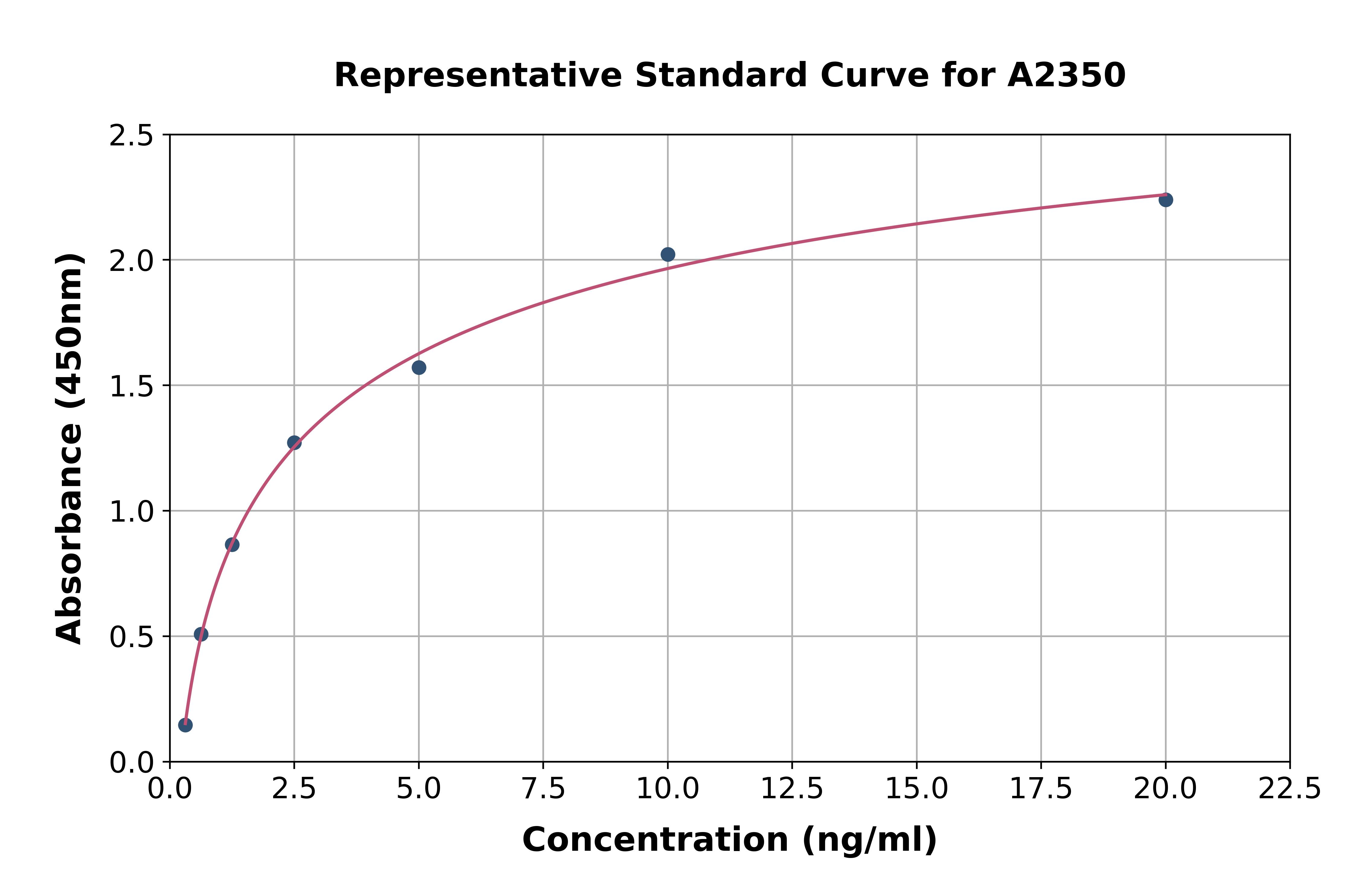
- Assay Detection Range0.156-10ng/mL
- Assay PrecisionIntra-assay Precision (Precision within an assay): 3 samples with low, middle and high level Acid Sphingomyelinase (ASM) were tested 20 times on one plate, respectively. Inter-assay Precision (Precision between assays): 3 samples with low, middle...
- Assay SensitivityThe minimum detectable dose of this kit is typically less than 0.057ng/mL
- Assay Test PrincipleThe test principle applied in this kit is Sandwich enzyme immunoassay. The microtiter plate provided in this kit has been pre-coated with an antibody specific to Acid Sphingomyelinase (ASM). Standards or samples are then added to the appropriate...
- Assay Time3h
- CertificationResearch Use Only
- Protein IDP17405
- Protein NameSphingomyelin phosphodiesterase
- UNSPSC41116100
- SpeciesHuman
References
- Evaluation of sphingolipid metabolism on diabetic retinopathy. Ensari Delioglu EN et al., 2021 Nov, Indian J OphthalmolRead this paper
- Acid Sphingomyelinase and Acid beta-Glucosidase 1 Exert Opposite Effects on Interleukin-1beta-Induced Interleukin 6 Production in Rheumatoid Arthritis Fibroblast-Like Synoviocytes. Zhao M et al., 2021 Aug, InflammationRead this paper
- Fenofibrate decreases plasma ceramide in type 2 diabetes patients: A novel marker of CVD? Croyal M et al., 2018 Mar, Diabetes MetabRead this paper
- Acid sphingomyelinase is activated in sickle cell erythrocytes and contributes to inflammatory microparticle generation in SCD. Awojoodu AO et al., 2014 Sep 18, BloodRead this paper
Related products
Product group Assays

Assay Sample TypeSerum, plasma, tissue homogenates and other biological fluids.
ReactivityHuman
- SizePrice
Product group Assays

ReactivityHuman
- SizePrice





Product group Assays

Assay Sample TypeSerum, Plasma
ReactivityHuman
- SizePrice
Product group Assays

ReactivityHuman
- SizePrice