

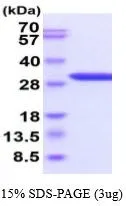
3 μg of GTX67001-pro Human Galectin 3 protein (active) by SDS-PAGE under reducing condition and visualized by coomassie blue stain
3 μg of GTX67001-pro Human Galectin 3 protein (active) by SDS-PAGE under reducing condition and visualized by coomassie blue stain
Human Galectin 3 protein, His tag (active)
GTX67001-PRO

ApplicationsFunctional Assay
Product group Proteins / Signaling Molecules
Protein IDP17931
Overview
- SupplierGeneTex
- Product NameHuman Galectin 3 protein, His tag (active)
- Delivery Days Customer9
- Application Supplier NoteThe ED50 for this effect is less or equal to 15 microg/ml. Measured by its ability to agglutinate human red blood cells.
- ApplicationsFunctional Assay
- CertificationResearch Use Only
- Concentration0.5 mg/ml
- ConjugateUnconjugated
- Gene ID3958
- Target nameLGALS3
- Target descriptiongalectin 3
- Target synonymsCBP35, GAL3, GALBP, GALIG, L31, LGALS2, MAC2, galectin-3, 35 kDa lectin, IgE-binding protein, MAC-2 antigen, advanced glycation end-product receptor 3, carbohydrate-binding protein 35, epididymis secretory sperm binding protein, galactose-specific lectin 3, laminin-binding protein, lectin L-29, lectin, galactoside-binding, soluble, 3
- Protein IDP17931
- Protein NameGalectin-3
- Scientific DescriptionThis gene encodes a member of the galectin family of carbohydrate binding proteins. Members of this protein family have an affinity for beta-galactosides. The encoded protein is characterized by an N-terminal proline-rich tandem repeat domain and a single C-terminal carbohydrate recognition domain. This protein can self-associate through the N-terminal domain allowing it to bind to multivalent saccharide ligands. This protein localizes to the extracellular matrix, the cytoplasm and the nucleus. This protein plays a role in numerous cellular functions including apoptosis, innate immunity, cell adhesion and T-cell regulation. The protein exhibits antimicrobial activity against bacteria and fungi. Alternate splicing results in multiple transcript variants.[provided by RefSeq, Oct 2014]
- Storage Instruction-20°C or -80°C,2°C to 8°C
- UNSPSC41116100
- SpeciesHuman
Datasheet
Related products
Product group Proteins / Signaling Molecules

PrEST Antigen LGALS3APREST70617
Protein IDP17931
- SizePrice

Product group Proteins / Signaling Molecules

Protein IDP17931
- SizePrice
Product group Proteins / Signaling Molecules

Protein IDP17931
- SizePrice
Product group Proteins / Signaling Molecules

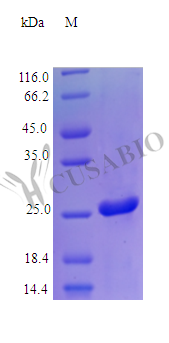
Recombinant Human Galectin-3 protein (LGALS3) (Active)CSB-AP000481HU
Protein IDP17931
- SizePrice


Product group Proteins / Signaling Molecules

Human recombinant Galectin-3 protein, AFPROTP17931-4
ApplicationsOther Application
Protein IDP17931
- SizePrice
Product group Proteins / Signaling Molecules
Human Galectin 3 protein, His tag (active)GTX00195-PRO
ApplicationsFunctional Assay
Protein IDP17931
- SizePrice
Product group Proteins / Signaling Molecules

Galectin-3/LGALS3, HumanHY-P70309
Protein IDP17931
- SizePrice
Product group Proteins / Signaling Molecules
References

Recombinant Galectin 3 (GAL3)RPA303HU01
ApplicationsWestern Blot, Other Application
Protein IDP17931
- SizePrice