

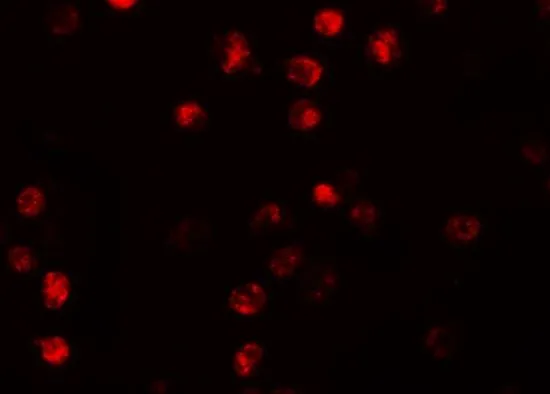
ICC/IF analysis of K562 cells using GTX31990 NLRP13 antibody. Working concentration : 20 μg/ml
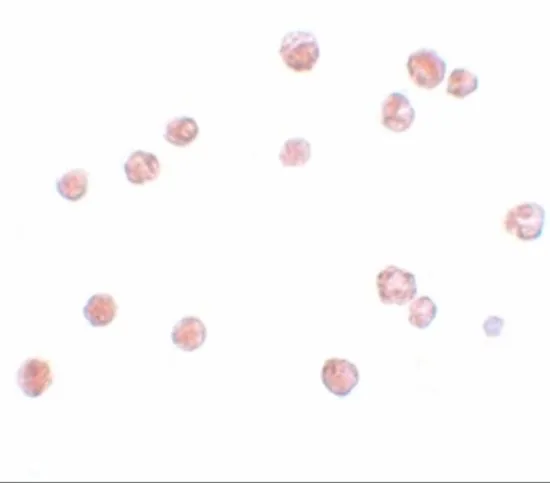
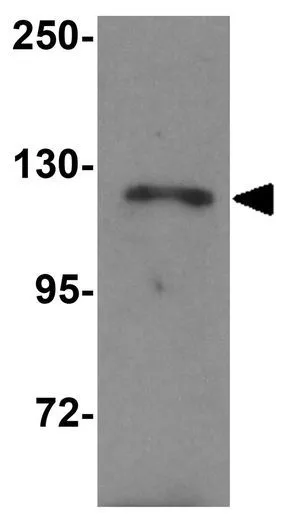
ICC/IF analysis of K562 cells using GTX31990 NLRP13 antibody. Working concentration : 20 μg/ml
NLRP13 antibody
GTX31990

ApplicationsImmunoFluorescence, Western Blot, ELISA, ImmunoCytoChemistry
Product group Antibodies
ReactivityHuman
TargetNLRP13
Overview
- SupplierGeneTex
- Product NameNLRP13 antibody
- Delivery Days Customer9
- Application Supplier NoteWB: 1 microg/mL. ICC/IF: 2.5 microg/mL. *Optimal dilutions/concentrations should be determined by the researcher.Not tested in other applications.
- ApplicationsImmunoFluorescence, Western Blot, ELISA, ImmunoCytoChemistry
- CertificationResearch Use Only
- ClonalityPolyclonal
- Concentration1 mg/ml
- ConjugateUnconjugated
- Gene ID126204
- Target nameNLRP13
- Target descriptionNLR family pyrin domain containing 13
- Target synonymsCLR19.7, NALP13, NOD14, PAN13, NACHT, LRR and PYD domains-containing protein 13, NACHT, LRR and PYD containing protein 13, NACHT, leucine rich repeat and PYD containing 13, nucleotide-binding oligomerization domain protein 14, nucleotide-binding oligomerization domain, leucine rich repeat and pyrin domain containing 13
- HostRabbit
- IsotypeIgG
- Protein IDQ86W25
- Protein NameNACHT, LRR and PYD domains-containing protein 13
- Scientific DescriptionNALPs are cytoplasmic proteins that form a subfamily within the larger CATERPILLER protein family. Most short NALPs, such as NALP13, have an N-terminal pyrin (MEFV; MIM 608107) domain (PYD), followed by a NACHT domain, a NACHT-associated domain (NAD), and a C-terminal leucine-rich repeat (LRR) region. The long NALP, NALP1 (MIM 606636), also has a C-terminal extension containing a function to find domain (FIIND) and a caspase recruitment domain (CARD). NALPs are implicated in the activation of proinflammatory caspases (e.g., CASP1; MIM 147678) via their involvement in multiprotein complexes called inflammasomes (Tschopp et al., 2003 [PubMed 12563287]).[supplied by OMIM, Mar 2008]
- ReactivityHuman
- Storage Instruction-20°C or -80°C,2°C to 8°C
- UNSPSC12352203
Datasheet
Related products

Product group Antibodies

ApplicationsImmunoFluorescence, Western Blot, ELISA, ImmunoCytoChemistry
ReactivityHuman
TargetNLRP13
- SizePrice
Product group Antibodies

IHC-plus(tm) NLRP13 AntibodyLS-B5337
ApplicationsImmunoFluorescence, Western Blot, ELISA, ImmunoCytoChemistry, ImmunoHistoChemistry, ImmunoHistoChemistry Paraffin
ReactivityHuman
TargetNLRP13
- SizePrice

Product group Antibodies

Anti-NLRP13 AntibodyHPA060459
ApplicationsImmunoHistoChemistry
ReactivityHuman
TargetNLRP13
- SizePrice