

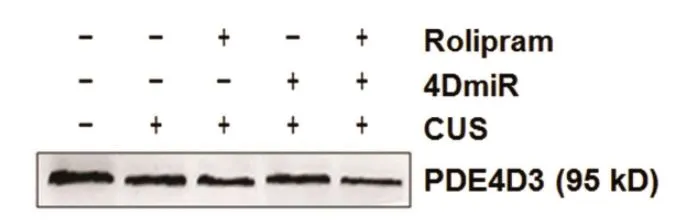
WB analysis of mouse prefrontal cortical tissue lysate using GTX14614 PDE4D3 antibody.

WB analysis of mouse prefrontal cortical tissue lysate using GTX14614 PDE4D3 antibody.
PDE4D3 antibody
GTX14614

ApplicationsImmunoFluorescence, ImmunoPrecipitation, Western Blot, ELISA, ImmunoCytoChemistry, ImmunoHistoChemistry
Product group Antibodies
ReactivityChicken, Mouse, Rat
TargetPDE4D
Overview
- SupplierGeneTex
- Product NamePDE4D3 antibody
- Delivery Days Customer9
- Application Supplier NoteWB: 1:500. ICC/IF: 1:200. IP: 1:150. ELISA: 1:10000. IHC: 1:200. *Optimal dilutions/concentrations should be determined by the researcher.Not tested in other applications.
- ApplicationsImmunoFluorescence, ImmunoPrecipitation, Western Blot, ELISA, ImmunoCytoChemistry, ImmunoHistoChemistry
- CertificationResearch Use Only
- ClonalityPolyclonal
- Concentration0.68 mg/ml
- ConjugateUnconjugated
- Gene ID5144
- Target namePDE4D
- Target descriptionphosphodiesterase 4D
- Target synonymsACRDYS2, DPDE3, HSPDE4D, PDE43, PDE4DN2, STRK1, 3',5'-cyclic-AMP phosphodiesterase 4D, cAMP-specific 3',5'-cyclic phosphodiesterase 4D, cAMP-specific phosphodiesterase PDE4D6, phosphodiesterase 4D, cAMP-specific (phosphodiesterase E3 dunce homolog, Drosophila), testicular tissue protein Li 136
- HostRabbit
- IsotypeIgG
- Protein IDQ08499
- Protein Name3',5'-cyclic-AMP phosphodiesterase 4D
- Scientific DescriptionThis gene encodes one of four mammalian counterparts to the fruit fly dunce gene. The encoded protein has 3,5-cyclic-AMP phosphodiesterase activity and degrades cAMP, which acts as a signal transduction molecule in multiple cell types. This gene uses different promoters to generate multiple alternatively spliced transcript variants that encode functional proteins.[provided by RefSeq, Sep 2009]
- ReactivityChicken, Mouse, Rat
- Storage Instruction-20°C or -80°C,2°C to 8°C
- UNSPSC41116161
References
- Phosphodiesterase-4D knock-out and RNA interference-mediated knock-down enhance memory and increase hippocampal neurogenesis via increased cAMP signaling. Li YF et al., 2011 Jan 5, J NeurosciRead this paper
Datasheet
Related products
Product group Antibodies

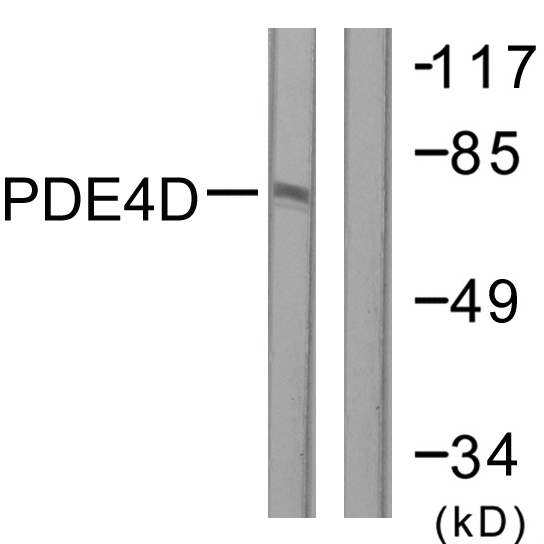
Anti-PDE4D AntibodyA95817
ApplicationsWestern Blot, ELISA, ImmunoHistoChemistry
ReactivityHuman, Mouse, Rat
- SizePrice
Product group Antibodies

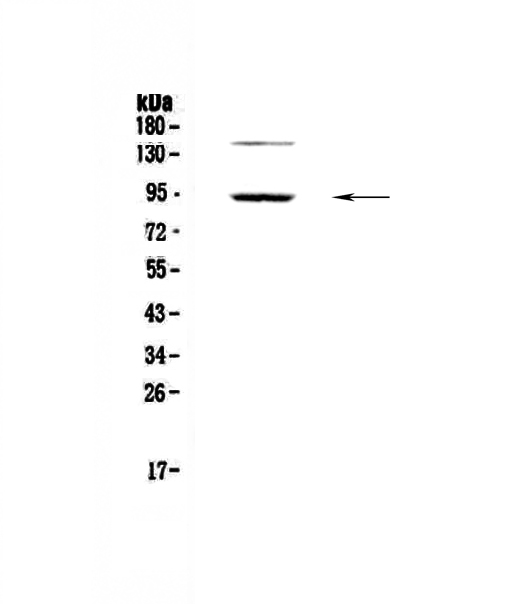
Anti-PDE4D Antibody Picoband(r)A01111-1-CARRIER-FREE
ApplicationsFlow Cytometry, Western Blot, ELISA, ImmunoCytoChemistry, ImmunoHistoChemistry
ReactivityHuman, Mouse, Rat
TargetPDE4D
- SizePrice
Product group Antibodies

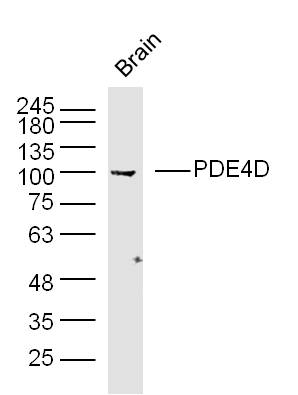
PDE4D Polyclonal AntibodyBS-1325R
ApplicationsFlow Cytometry, Western Blot, ELISA
ReactivityBovine, Canine, Equine, Human, Mouse, Porcine, Rabbit, Rat
TargetPDE4D
- SizePrice
Product group Antibodies
References

Goat anti-PDE4DEB07046
ApplicationsWestern Blot, ELISA, ImmunoHistoChemistry
ReactivityHuman
TargetPDE4D
- SizePrice
Product group Antibodies

ApplicationsImmunoPrecipitation, Western Blot, ImmunoCytoChemistry, ImmunoHistoChemistry
ReactivityRat
TargetPDE4D
- SizePrice
Product group Antibodies

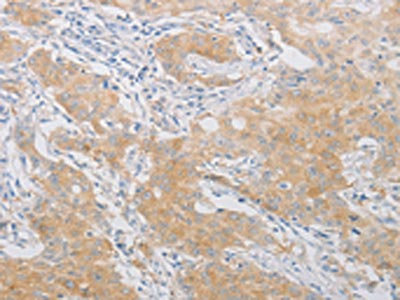
PDE4D AntibodyCSB-PA048149
ApplicationsWestern Blot, ELISA, ImmunoHistoChemistry
ReactivityHuman
TargetPDE4D
- SizePrice
Product group Antibodies

PDE4D AntibodyLS-C400960
ApplicationsWestern Blot, ELISA, ImmunoHistoChemistry
ReactivityHuman
TargetPDE4D
- SizePrice
Product group Antibodies
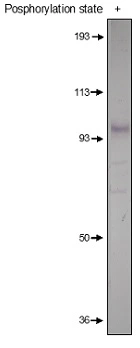
PDE4D antibodyGTX14613
ApplicationsImmunoFluorescence, ImmunoPrecipitation, Western Blot, ELISA, ImmunoCytoChemistry, ImmunoHistoChemistry, ImmunoHistoChemistry Frozen, ImmunoHistoChemistry Paraffin
ReactivityHuman, Mouse, Rat
TargetPDE4D
- SizePrice
Product group Antibodies
References
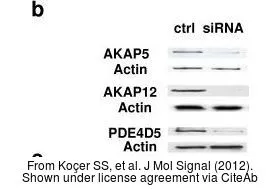
PDE4D5 antibodyGTX14626
ApplicationsImmunoFluorescence, ImmunoPrecipitation, Western Blot, ELISA, ImmunoCytoChemistry, ImmunoHistoChemistry
ReactivityHuman, Mouse, Rabbit, Rat
TargetPDE4D
- SizePrice
Product group Antibodies
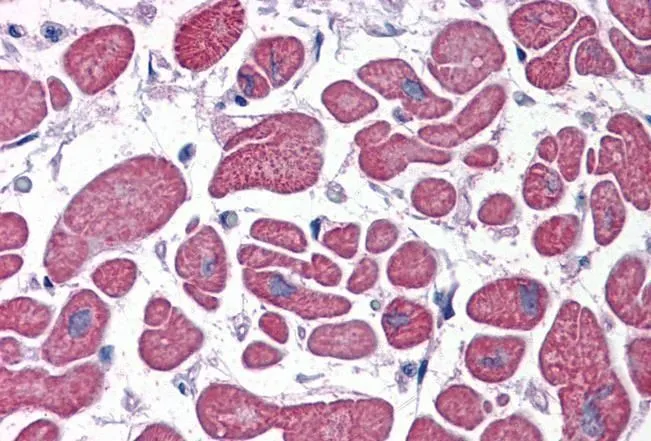
PDE4D antibody, C-termGTX89423
ApplicationsWestern Blot, ELISA, ImmunoHistoChemistry, ImmunoHistoChemistry Paraffin
ReactivityHuman
TargetPDE4D
- SizePrice