

PEX5 antibody
GTX33404

ApplicationsImmunoFluorescence, Western Blot, ImmunoCytoChemistry, ImmunoHistoChemistry, ImmunoHistoChemistry Paraffin
Product group Antibodies
ReactivityHuman, Mouse, Rat
TargetPEX5
Overview
- SupplierGeneTex
- Product NamePEX5 antibody
- Delivery Days Customer9
- Application Supplier NoteWB: 1:500 - 1:2000. ICC/IF: 1:50 - 1:200. IHC-P: 1:50 - 1:200. *Optimal dilutions/concentrations should be determined by the researcher.Not tested in other applications.
- ApplicationsImmunoFluorescence, Western Blot, ImmunoCytoChemistry, ImmunoHistoChemistry, ImmunoHistoChemistry Paraffin
- CertificationResearch Use Only
- ClonalityPolyclonal
- ConjugateUnconjugated
- Gene ID5830
- Target namePEX5
- Target descriptionperoxisomal biogenesis factor 5
- Target synonymsPBD2A, PBD2B, PTS1-BP, PTS1R, PXR1, RCDP5, peroxisomal biogenesis factor 5, PTS1 receptor, peroxin-5, peroxisomal C-terminal targeting signal import receptor, peroxisomal import receptor 5, peroxisomal targeting signal 1 (SKL type) receptor, peroxisomal targeting signal 1 receptor, peroxisomal targeting signal import receptor, peroxisomal targeting signal receptor 1, peroxisome receptor 1
- HostRabbit
- IsotypeIgG
- Protein IDP50542
- Protein NamePeroxisomal targeting signal 1 receptor
- Scientific DescriptionThe product of this gene binds to the C-terminal PTS1-type tripeptide peroxisomal targeting signal (SKL-type) and plays an essential role in peroxisomal protein import. Peroxins (PEXs) are proteins that are essential for the assembly of functional peroxisomes. The peroxisome biogenesis disorders (PBDs) are a group of genetically heterogeneous autosomal recessive, lethal diseases characterized by multiple defects in peroxisome function. The peroxisomal biogenesis disorders are a heterogeneous group with at least 14 complementation groups and with more than 1 phenotype being observed in cases falling into particular complementation groups. Although the clinical features of PBD patients vary, cells from all PBD patients exhibit a defect in the import of one or more classes of peroxisomal matrix proteins into the organelle. Defects in this gene are a cause of neonatal adrenoleukodystrophy (NALD), a cause of Zellweger syndrome (ZWS) as well as may be a cause of infantile Refsum disease (IRD). Alternatively spliced transcript variants encoding different isoforms have been identified. [provided by RefSeq, Oct 2008]
- ReactivityHuman, Mouse, Rat
- Storage Instruction-20°C or -80°C,2°C to 8°C
- UNSPSC12352203
Datasheet
Related products
Product group Antibodies

Anti-PEX5 Antibody144-12493
ApplicationsWestern Blot
ReactivityHuman, Mouse
TargetPEX5
- SizePrice
Product group Antibodies

PEX5 Polyclonal AntibodyCAC15114
ApplicationsWestern Blot, ELISA, ImmunoHistoChemistry
TargetPEX5
- SizePrice
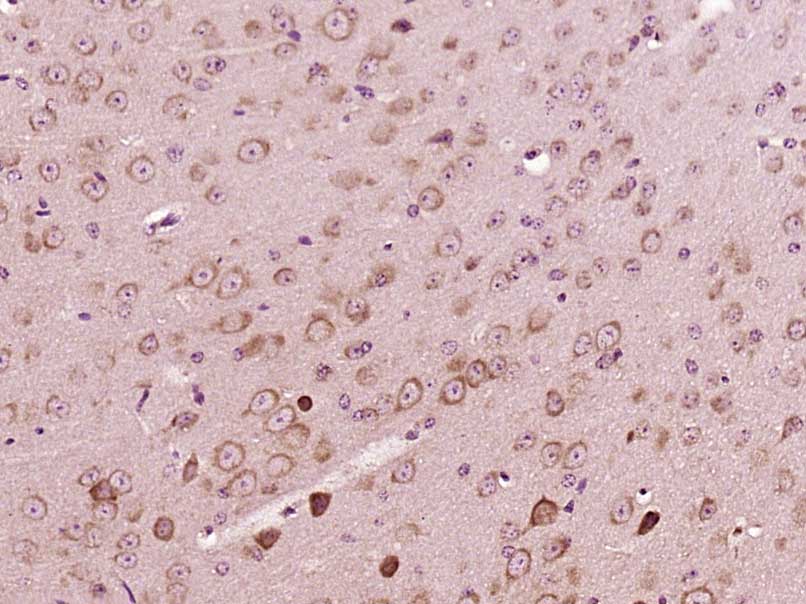
Product group Antibodies

PEX5 Polyclonal AntibodyBS-12624R
ApplicationsImmunoFluorescence, ELISA, ImmunoCytoChemistry, ImmunoHistoChemistry, ImmunoHistoChemistry Frozen, ImmunoHistoChemistry Paraffin
ReactivityBovine, Canine, Equine, Human, Mouse, Porcine, Rat, Sheep
TargetPEX5
- SizePrice
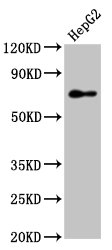
Product group Antibodies

PEX5 AntibodyCSB-PA017805LA01HU
ApplicationsWestern Blot, ELISA, ImmunoHistoChemistry
ReactivityHuman
TargetPEX5
- SizePrice

Product group Antibodies

PEX5 AntibodyLS-C747593
ApplicationsWestern Blot
ReactivityHuman, Mouse
TargetPEX5
- SizePrice

Product group Antibodies

Anti-PEX5 AntibodyHPA039260
ApplicationsWestern Blot, ImmunoCytoChemistry, ImmunoHistoChemistry
ReactivityHuman
TargetPEX5
- SizePrice
Product group Antibodies

Goat anti-PEX5 AntibodyEB12766
ApplicationsWestern Blot, ELISA
ReactivityHuman
TargetPEX5
- SizePrice
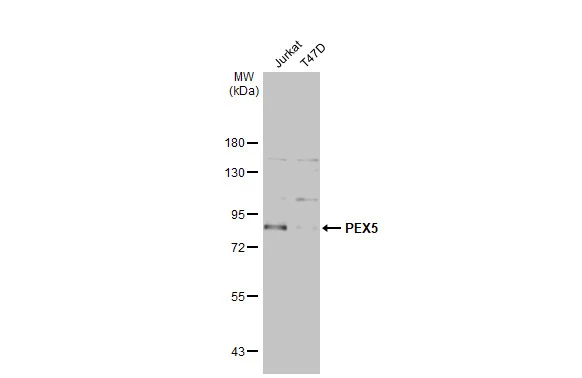
Product group Antibodies
References
PEX5 antibodyGTX109798
ApplicationsWestern Blot, ImmunoHistoChemistry, ImmunoHistoChemistry Paraffin
ReactivityHuman, Mouse
TargetPEX5
- SizePrice
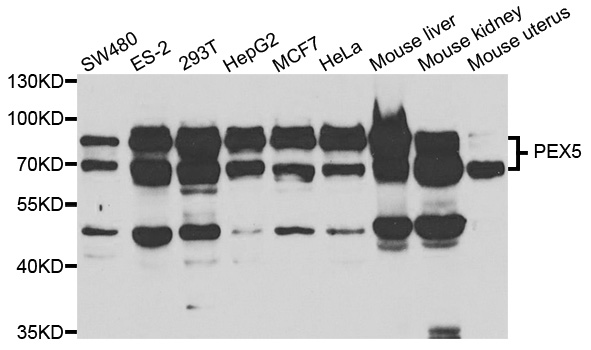
Product group Antibodies

Anti-PEX5 AntibodyA31048
ApplicationsWestern Blot, ImmunoHistoChemistry
ReactivityHuman, Mouse, Rat
- SizePrice