

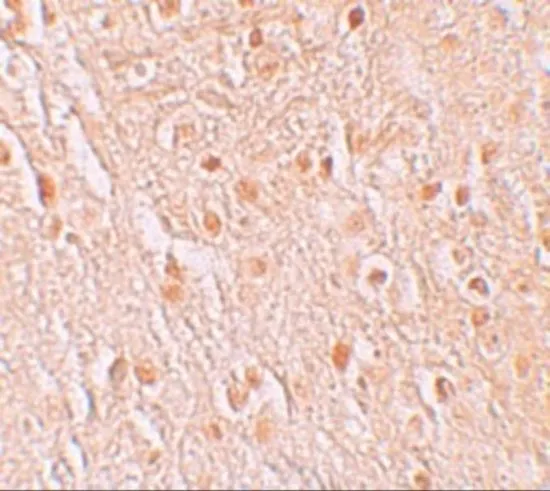
IHC-P analysis of human brain tissue using GTX32001 PION antibody. Working concentration : 5 microg/ml
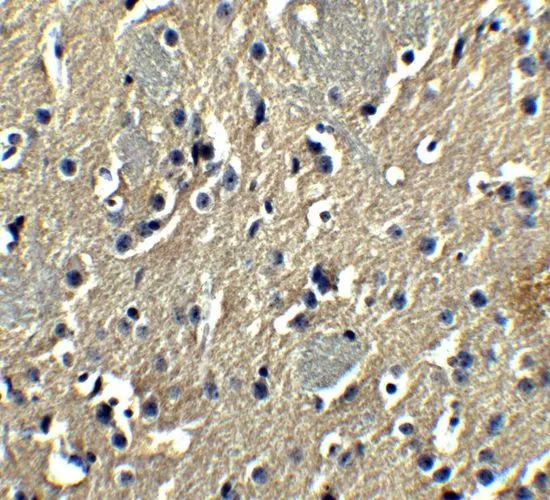
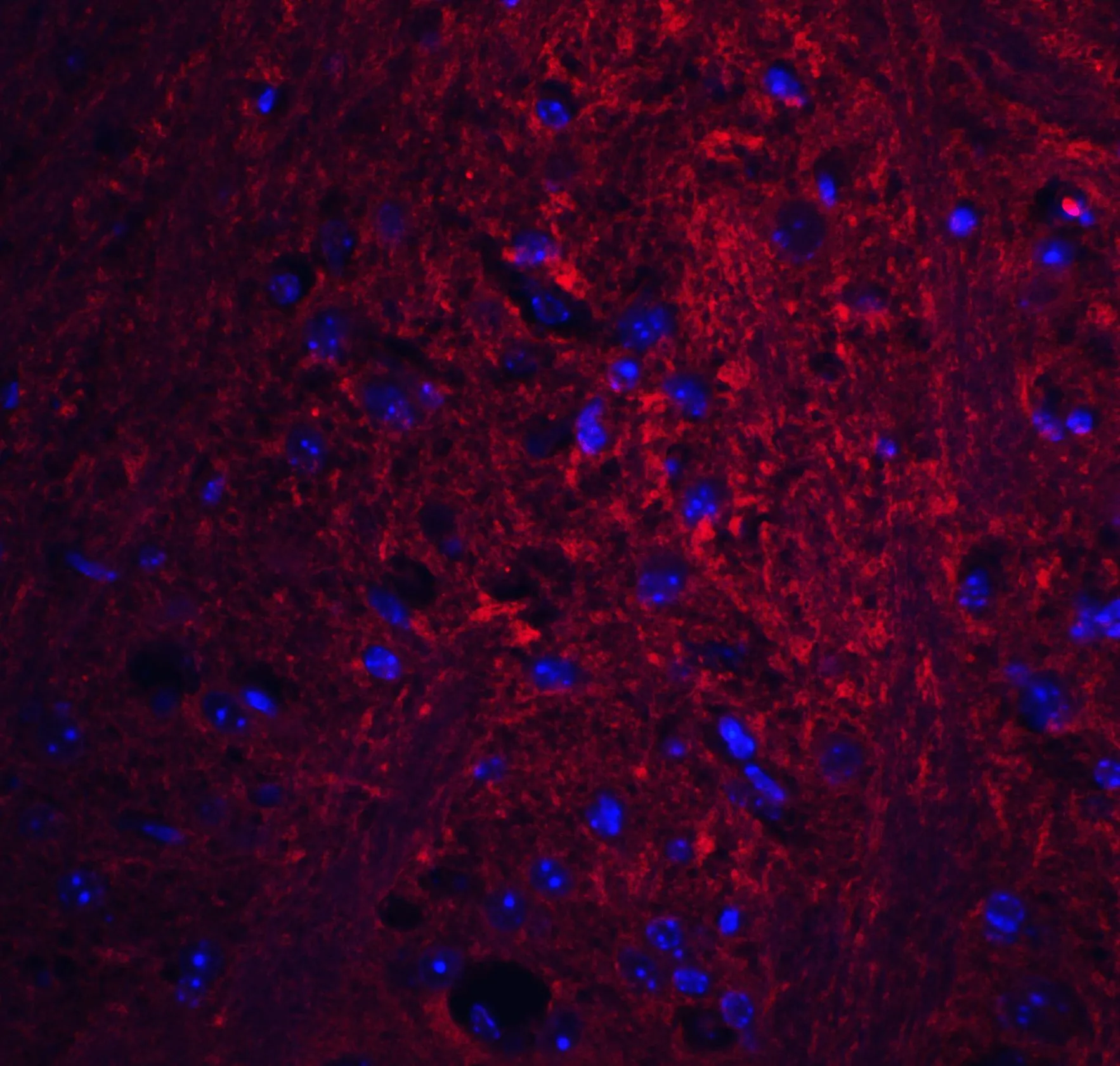
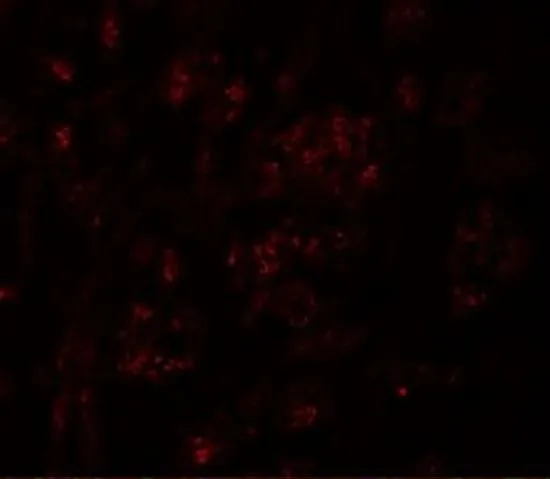
IHC-P analysis of human brain tissue using GTX32001 PION antibody. Working concentration : 5 microg/ml
PION antibody
GTX32001

ApplicationsWestern Blot, ELISA, ImmunoHistoChemistry, ImmunoHistoChemistry Paraffin
Product group Antibodies
ReactivityHuman, Mouse, Rat
TargetGSAP
Overview
- SupplierGeneTex
- Product NamePION antibody
- Delivery Days Customer9
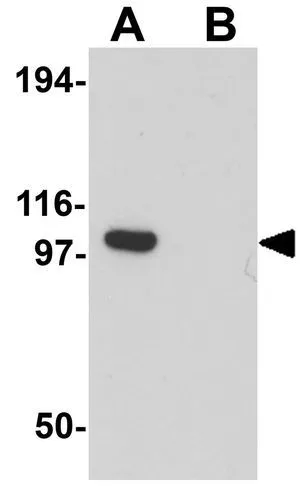
- Application Supplier NoteWB: 0.25 microg/mL. IHC-P: 5 microg/mL. *Optimal dilutions/concentrations should be determined by the researcher.Not tested in other applications.
- ApplicationsWestern Blot, ELISA, ImmunoHistoChemistry, ImmunoHistoChemistry Paraffin
- CertificationResearch Use Only
- ClonalityPolyclonal
- Concentration1 mg/ml
- ConjugateUnconjugated
- Gene ID54103
- Target nameGSAP
- Target descriptiongamma-secretase activating protein
- Target synonymsPION, gamma-secretase-activating protein, pigeon homolog, protein pigeon homolog
- HostRabbit
- IsotypeIgG
- Protein IDA4D1B5
- Protein NameGamma-secretase-activating protein
- Scientific DescriptionAccumulation of neurotoxic amyloid-beta is a major hallmark of Alzheimer disease (AD; MIM 104300). Formation of amyloid-beta is catalyzed by gamma-secretase (see PSEN1; MIM 104311), a protease with numerous substrates. PION, or GSAP, selectively increases amyloid-beta production through a mechanism involving its interaction with both gamma-secretase and its substrate, the amyloid-beta precursor protein (APP; MIM 104760) C-terminal fragment (APP-CTF) (He et al., 2010 [PubMed 20811458]).[supplied by OMIM, Nov 2010]
- ReactivityHuman, Mouse, Rat
- Storage Instruction-20°C or -80°C,2°C to 8°C
- UNSPSC12352203
Datasheet
Related products
Product group Antibodies

ApplicationsImmunoPrecipitation, Western Blot, ImmunoCytoChemistry, ImmunoHistoChemistry
TargetGSAP
- SizePrice
Product group Antibodies

Anti-PION (C-term) Antibody102-21136
ApplicationsWestern Blot, ImmunoHistoChemistry, ImmunoHistoChemistry Paraffin
TargetGSAP
- SizePrice
Product group Antibodies

GSAP / PION Antibody (aa616-854)LS-C294020
ApplicationsWestern Blot
ReactivityHuman
TargetGSAP
- SizePrice

Product group Antibodies

Anti-PION GSAP AntibodyA09313
ApplicationsImmunoFluorescence, Western Blot, ELISA, ImmunoHistoChemistry, ImmunoHistoChemistry Paraffin
ReactivityHuman, Mouse, Rat
TargetGSAP
- SizePrice