

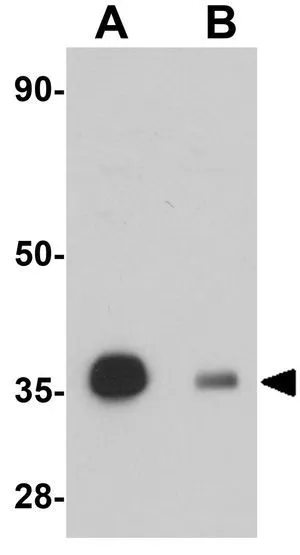
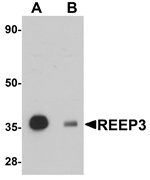
WB analysis of rat heart tissue lysate in (A) the absence and (B) the presence of blocking peptide using GTX85210 REEP3 antibody. Working concentration : 1 μg/ml
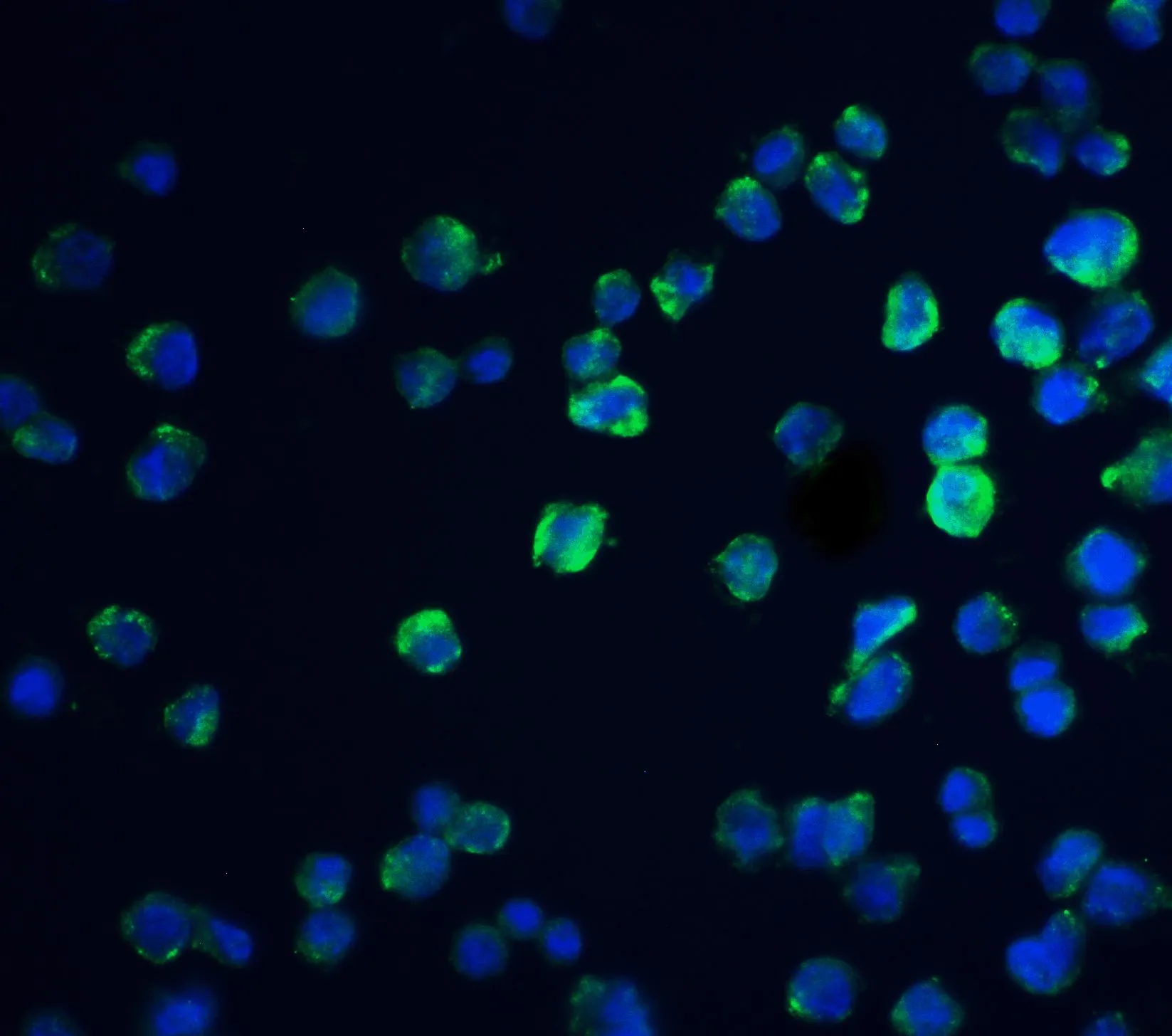
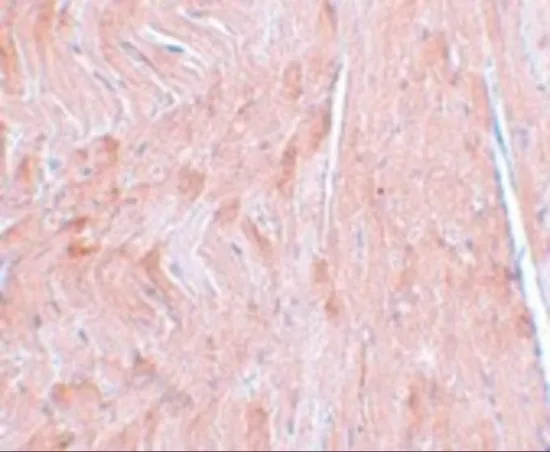

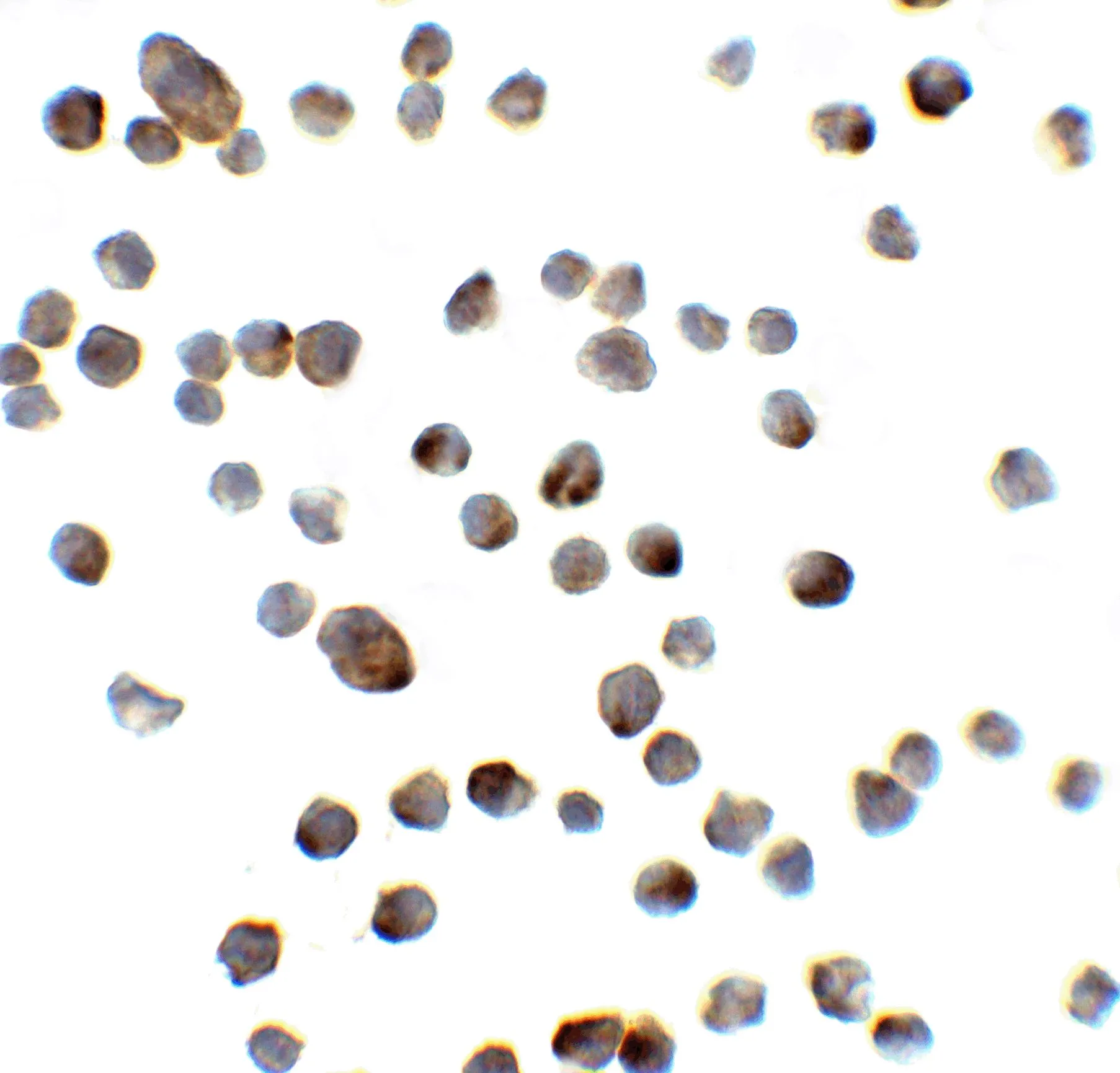
WB analysis of rat heart tissue lysate in (A) the absence and (B) the presence of blocking peptide using GTX85210 REEP3 antibody. Working concentration : 1 μg/ml
REEP3 antibody
GTX85210

ApplicationsImmunoFluorescence, Western Blot, ELISA, ImmunoCytoChemistry, ImmunoHistoChemistry, ImmunoHistoChemistry Paraffin
Product group Antibodies
ReactivityHuman, Mouse, Rat
TargetREEP3
Overview
- SupplierGeneTex
- Product NameREEP3 antibody
- Delivery Days Customer9
- Application Supplier NoteWB: 1 microg/mL. IHC-P: 5 microg/mL. *Optimal dilutions/concentrations should be determined by the researcher.Not tested in other applications.
- ApplicationsImmunoFluorescence, Western Blot, ELISA, ImmunoCytoChemistry, ImmunoHistoChemistry, ImmunoHistoChemistry Paraffin
- CertificationResearch Use Only
- ClonalityPolyclonal
- Concentration1 mg/ml
- ConjugateUnconjugated
- Gene ID221035
- Target nameREEP3
- Target descriptionreceptor accessory protein 3
- Target synonymsC10orf74, Yip2b, receptor expression-enhancing protein 3
- HostRabbit
- IsotypeIgG
- Protein IDQ6NUK4
- Protein NameReceptor expression-enhancing protein 3
- Scientific DescriptionMammalian odorant receptors require accessory proteins such as RTP1 and RTP2 for functional cell surface expression. Receptor expression-enhancing protein (REEP) family members are transmembrane proteins which interact with odorant receptor proteins and may enhance the odorant receptor responses to odorants. Recently studies have shown other chemosensory receptors such as bitter taste receptors are also influenced by RTP and REEP family members. REEP3 has also been suggested as a novel candidate gene for autism and as a loci influencing the plasma levels of the liver enzyme alkaline phosphatase.
- ReactivityHuman, Mouse, Rat
- Storage Instruction-20°C or -80°C,2°C to 8°C
- UNSPSC41116161
Datasheet
Related products
Product group Antibodies

Anti-REEP3 AntibodyA48025
ApplicationsWestern Blot, ELISA, ImmunoHistoChemistry
ReactivityHuman, Mouse, Rat
- SizePrice

Product group Antibodies

Anti-REEP3 Antibody Picoband(r)A12243-1-CARRIER-FREE
ApplicationsImmunoFluorescence, Western Blot, ImmunoCytoChemistry
ReactivityHuman, Mouse, Rat
TargetREEP3
- SizePrice

Product group Antibodies

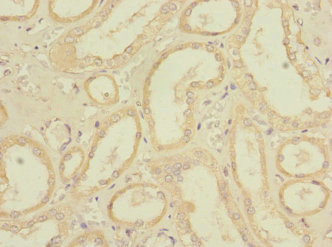
REEP3 AntibodyCSB-PA754137LA01HU
ApplicationsImmunoFluorescence, ELISA, ImmunoHistoChemistry
ReactivityHuman
TargetREEP3
- SizePrice
Product group Antibodies

REEP3 Antibody (Biotin)LS-C399265
ApplicationsELISA
ReactivityHuman
TargetREEP3
- SizePrice
Product group Antibodies

REEP3 AntibodyPACO36962
ApplicationsImmunoFluorescence, ELISA, ImmunoHistoChemistry
ReactivityHuman
TargetREEP3
- SizePrice