

Ubiquitin Antibody
ORB534192

ApplicationsWestern Blot, ImmunoHistoChemistry, ImmunoHistoChemistry Paraffin
Product group Antibodies
ReactivityHuman
TargetRPS27A
Overview
- SupplierBiorbyt
- Product NameUbiquitin Antibody
- Delivery Days Customer16
- Application Supplier NoteThe stated application concentrations are suggested starting points. Titration of the Ubiquitin antibody may be required due to differences in protocols and secondary/substrate sensitivity.
- ApplicationsWestern Blot, ImmunoHistoChemistry, ImmunoHistoChemistry Paraffin
- Applications SupplierWestern blot: 1-2ug/ml,Immunohistochemistry (FFPE): 1-2ug/ml for 30 min at RT IHC-P, WB
- CertificationResearch Use Only
- ClonalityMonoclonal
- Clone IDPBQN-1
- ConjugateUnconjugated
- Gene ID6233
- Target nameRPS27A
- Target descriptionribosomal protein S27a
- Target synonymsCEP80, HEL112, S27A, UBA80, UBC, UBCEP1, UBCEP80, eS31, ubiquitin-ribosomal protein eS31 fusion protein, 40S ribosomal protein S27a, epididymis luminal protein 112, ubiquitin C, ubiquitin and ribosomal protein S27a, ubiquitin carboxyl extension protein 80, ubiquitin-40S ribosomal protein S27a, ubiquitin-CEP80
- HostMouse
- IsotypeIgG1
- Protein IDP0CG47
- Protein NamePolyubiquitin-B
- Scientific DescriptionUbiquitin is a small (8.5 kDa) regulatory protein found in most tissues of eukaryotic organisms. The addition of ubiquitin to a substrate protein is called ubiquitination or less frequently ubiquitylation. Ubiquitination affects proteins in many ways: it can mark them for degradation via the proteasome, alter their cellular location, affect their activity, and promote or prevent protein interactions. Ubiquitination involves three main steps: activation, conjugation, and ligation, performed by ubiquitin-activating enzymes (E1s), ubiquitin-conjugating enzymes (E2s), and ubiquitin ligases (E3s), respectively. The result of this sequential cascade is to bind ubiquitin to lysine residues on the protein substrate via an isopeptide bond, cysteine residues through a thioester bond, serine and threonine residues through an ester bond, or the amino group of the proteins N-terminus via a peptide bond. [Wiki]
- ReactivityHuman
- Storage Instruction-20°C,2°C to 8°C
- UNSPSC12352203
Related products

Product group Antibodies

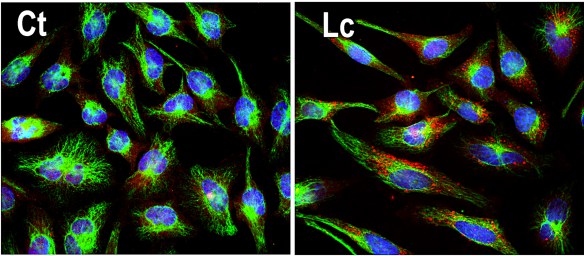
Anti-RPS27A Antibody144-02027
ApplicationsImmunoFluorescence, Western Blot
ReactivityHuman, Mouse, Rat
TargetRPS27A
- SizePrice
Product group Antibodies

Anti-Ubiquitin AntibodyA85455
ApplicationsImmunoFluorescence, Western Blot, ImmunoCytoChemistry, ImmunoHistoChemistry
ReactivityHuman, Mouse, Rat
- SizePrice
Product group Antibodies

RPS27A AntibodyLS-C830672
ApplicationsELISA, ImmunoHistoChemistry
ReactivityHuman, Mouse, Rat
TargetRPS27A
- SizePrice

Product group Antibodies

Anti-RPS27A AntibodyHPA054087
ApplicationsImmunoCytoChemistry
ReactivityHuman
TargetRPS27A
- SizePrice
Product group Antibodies

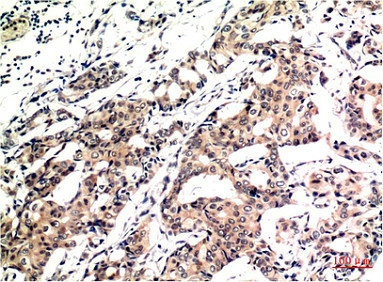
Ubiquitin Monoclonal AntibodyCSB-MA311872
ApplicationsWestern Blot, ELISA, ImmunoHistoChemistry
ReactivityHuman, Mouse, Rat
- SizePrice

Product group Antibodies

Anti-RPS27A AntibodyA04363
ApplicationsImmunoFluorescence, Western Blot, ImmunoCytoChemistry, ImmunoHistoChemistry
ReactivityHuman, Mouse, Rat
TargetRPS27A
- SizePrice
Product group Antibodies

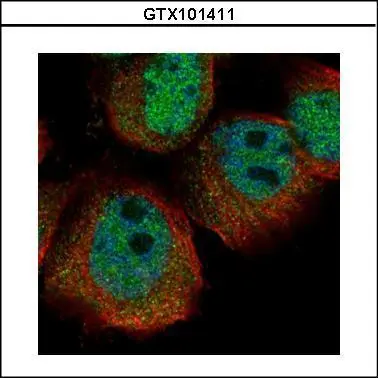
RPS27A antibodyGTX101411
ApplicationsImmunoFluorescence, ImmunoCytoChemistry
ReactivityHuman
TargetRPS27A
- SizePrice
Product group Antibodies

RPS27A Polyclonal AntibodyBS-10493R
ApplicationsImmunoFluorescence, ELISA, ImmunoCytoChemistry, ImmunoHistoChemistry, ImmunoHistoChemistry Frozen, ImmunoHistoChemistry Paraffin
- SizePrice