

Ubiquitin Antibody
ORB606656

ApplicationsFlow Cytometry, ImmunoFluorescence, Western Blot, ImmunoHistoChemistry, ImmunoHistoChemistry Paraffin
Product group Antibodies
ReactivityHuman
TargetRPS27A
Overview
- SupplierBiorbyt
- Product NameUbiquitin Antibody
- Delivery Days Customer16
- Application Supplier NoteOptimal dilution of the Ubiquitin antibody should be determined by the researcher.
- ApplicationsFlow Cytometry, ImmunoFluorescence, Western Blot, ImmunoHistoChemistry, ImmunoHistoChemistry Paraffin
- Applications SupplierFlow cytometry: 1-2ug/million cells,Western blot: 1-2ug/ml,Immunofluorescence: 1-2ug/ml,Immunohistochemistry (FFPE): 1-2ug/ml for 30 min at RT FACS, IF, IHC-P, WB
- CertificationResearch Use Only
- ClonalityMonoclonal
- Clone IDUBB/1748
- ConjugateUnconjugated
- Gene ID6233
- Target nameRPS27A
- Target descriptionribosomal protein S27a
- Target synonymsCEP80, HEL112, S27A, UBA80, UBC, UBCEP1, UBCEP80, eS31, ubiquitin-ribosomal protein eS31 fusion protein, 40S ribosomal protein S27a, epididymis luminal protein 112, ubiquitin C, ubiquitin and ribosomal protein S27a, ubiquitin carboxyl extension protein 80, ubiquitin-40S ribosomal protein S27a, ubiquitin-CEP80
- HostMouse
- IsotypeIgG2c
- Protein IDP0CG47
- Protein NamePolyubiquitin-B
- Scientific DescriptionUbiquitin is a highly conserved and plays an essential role in the ubiquitin-proteasome pathway. In ubiquitination process, it is first activated by forming a thiol-ester complex with the activation component E1, which is then transferred to ubiquitin-carrier protein E2, followed by to ubiquitin ligase E3 for final delivery to epsilon-NH2 of the target protein lysine residue. IkB, p53, cdc25A, Bcl-2 etc. are shown as targets of ubiquitin-proteasome process as part of regulation of cell cycle progression, differentiation, cell stress response, and apoptosis. Moreover, ubiquitin have been reported to bind covalently with pathological inclusions which are resistant to degradation e.g. neurofibrillary tangles/paired helical filaments in Alzheimers disease, Lewy bodies seen in Parkinsons disease, and Pick bodies found in Picks disease etc.
- ReactivityHuman
- Storage Instruction-20°C,2°C to 8°C
- UNSPSC12352203
Related products

Product group Antibodies

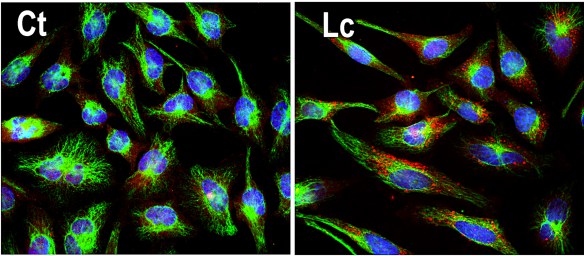
Anti-RPS27A Antibody144-02027
ApplicationsImmunoFluorescence, Western Blot
ReactivityHuman, Mouse, Rat
TargetRPS27A
- SizePrice
Product group Antibodies

Anti-Ubiquitin AntibodyA85455
ApplicationsImmunoFluorescence, Western Blot, ImmunoCytoChemistry, ImmunoHistoChemistry
ReactivityHuman, Mouse, Rat
- SizePrice
Product group Antibodies

RPS27A AntibodyLS-C830672
ApplicationsELISA, ImmunoHistoChemistry
ReactivityHuman, Mouse, Rat
TargetRPS27A
- SizePrice

Product group Antibodies

Anti-RPS27A AntibodyHPA054087
ApplicationsImmunoCytoChemistry
ReactivityHuman
TargetRPS27A
- SizePrice
Product group Antibodies

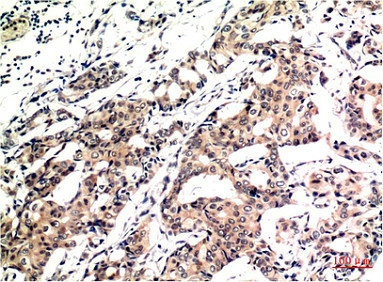
Ubiquitin Monoclonal AntibodyCSB-MA311872
ApplicationsWestern Blot, ELISA, ImmunoHistoChemistry
ReactivityHuman, Mouse, Rat
- SizePrice

Product group Antibodies

Anti-RPS27A AntibodyA04363
ApplicationsImmunoFluorescence, Western Blot, ImmunoCytoChemistry, ImmunoHistoChemistry
ReactivityHuman, Mouse, Rat
TargetRPS27A
- SizePrice
Product group Antibodies

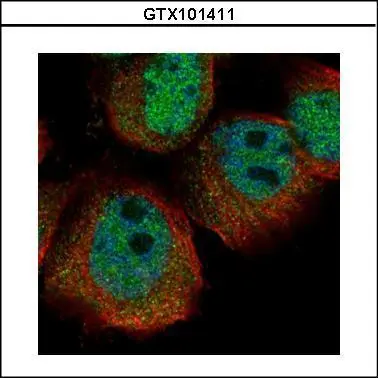
RPS27A antibodyGTX101411
ApplicationsImmunoFluorescence, ImmunoCytoChemistry
ReactivityHuman
TargetRPS27A
- SizePrice
Product group Antibodies

RPS27A Polyclonal AntibodyBS-10493R
ApplicationsImmunoFluorescence, ELISA, ImmunoCytoChemistry, ImmunoHistoChemistry, ImmunoHistoChemistry Frozen, ImmunoHistoChemistry Paraffin
- SizePrice