

Anti-FAT1 Antibody
0905-4

ApplicationsWestern Blot, ImmunoHistoChemistry, ImmunoHistoChemistry Paraffin
Product group Antibodies
TargetFAT1
Overview
- SupplierHUABIO
- Product NameAnti-FAT1 Antibody
- Delivery Days Customer7
- ApplicationsWestern Blot, ImmunoHistoChemistry, ImmunoHistoChemistry Paraffin
- Applications SupplierWB,IHC-P
- CertificationResearch Use Only
- ClonalityPolyclonal
- Concentration1 mg/ml
- ConjugateUnconjugated
- Gene ID2195
- Target nameFAT1
- Target descriptionFAT atypical cadherin 1
- Target synonymsCDHF7, CDHR8, FAT, ME5, hFat1, protocadherin Fat 1, FAT tumor suppressor 1, cadherin ME5, cadherin family member 7, cadherin-related family member 8, cadherin-related tumor suppressor homolog, protein fat homolog
- HostRabbit
- IsotypeIgG
- Protein IDQ14517
- Protein NameProtocadherin Fat 1
- Scientific DescriptionProtocadherin FAT1 is a protein that in humans is encoded by the FAT1 gene. This gene is an ortholog of the Drosophila fat gene, which encodes a tumor suppressor essential for controlling cell proliferation during Drosophila development. The gene product is a member of the cadherin superfamily, a group of integral membrane proteins characterized by the presence of cadherin-type repeats. This gene is expressed at high levels in a number of fetal epithelia. Transcript variants derived from alternative splicing and/or alternative promoter usage exist, but they have not been fully described. It has been shown that the EVH motifs in the cytoplasmic tail of mouse Fat1 interact with Ena/VASP and ablation of Fat1 by RNAi leads to decreased cell migration of rat epithelial cells. The cytoplasmic tail of Fat1 has also been shown to bind the transcriptional repressor Atrophin in rat vascular smooth muscle cells. At the carboxyl terminus of FAT1 lies a PDZ domain (PSD95/Dlg1/ZO-1) ligand motif (-HTEV). Zebrafish Fat1 was found to bind the protein scribble and regulate Hippo signalling. Using the human SHSY5Y cell line as a model of neuronal differentiation, human FAT1 was shown to regulate Hippo kinase components with loss of FAT1 leading to nucleocytoplasmic relocation of TAZ and enhanced transcription of the Hippo target gene CTGF. The same study also showed FAT1 was able to regulate TGF-beta signaling. FAT1 has been found to bind beta-catenin and regulate Wnt-signaling in colorectal cancer. Human FAT1 was found to bind glypican-3 (GPC3) and regulate cell migration in liver cancer cells.
- Reactivity SupplierHuman
- Storage Instruction-20°C,2°C to 8°C
- UNSPSC41116161
Datasheet
Related products
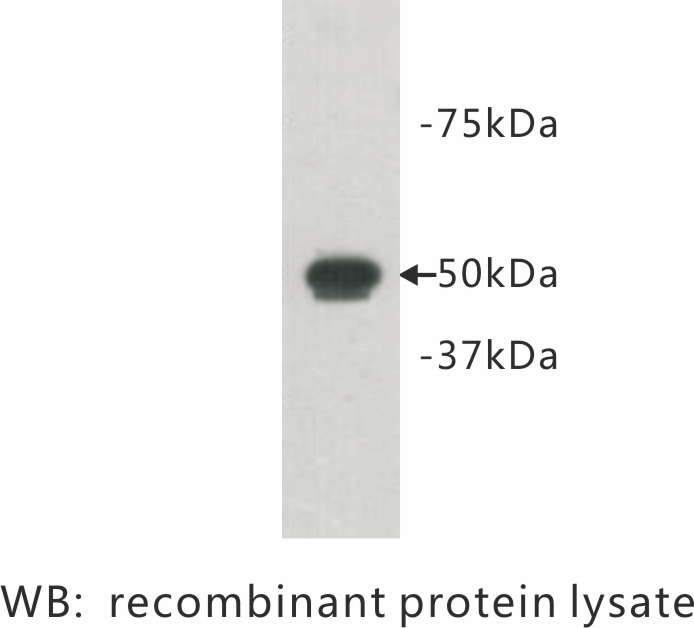
Product group Antibodies

ApplicationsWestern Blot, ImmunoCytoChemistry
ReactivityHuman
- SizePrice

Product group Antibodies

Protocadherin Fat 1 AntibodyABX019159
ApplicationsImmunoFluorescence, Western Blot, ImmunoCytoChemistry
- SizePrice
Product group Antibodies

ApplicationsImmunoFluorescence, ImmunoHistoChemistry
ReactivityHuman
TargetFAT1
- SizePrice
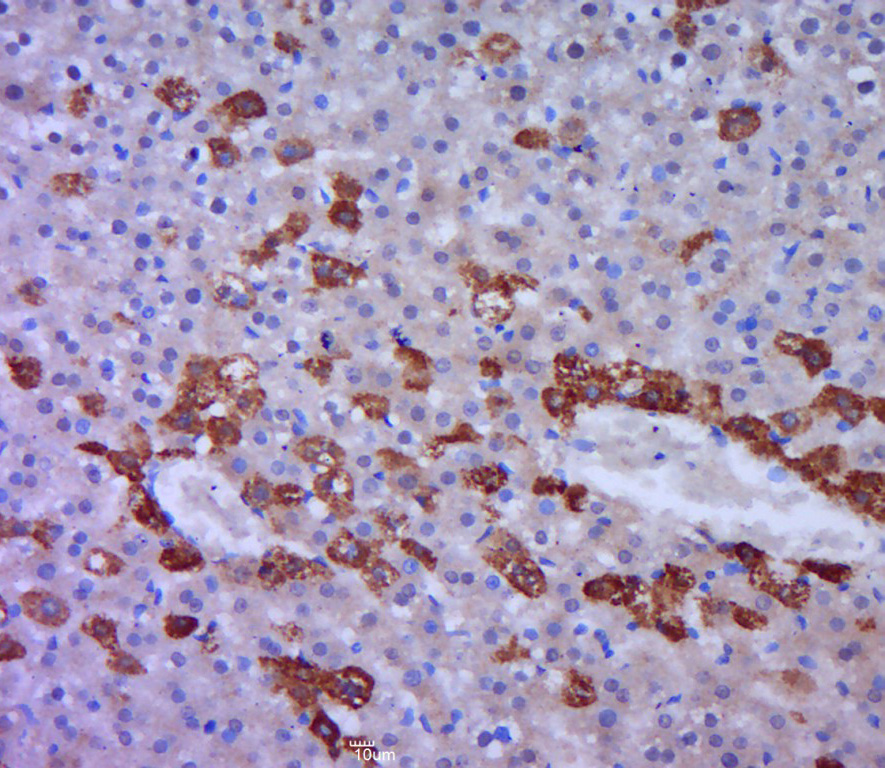
Product group Antibodies

FAT Polyclonal AntibodyBS-4278R
ApplicationsImmunoFluorescence, ELISA, ImmunoCytoChemistry, ImmunoHistoChemistry, ImmunoHistoChemistry Frozen, ImmunoHistoChemistry Paraffin
ReactivityBovine, Canine, Equine, Human, Mouse, Porcine, Rat
TargetFAT1
- SizePrice
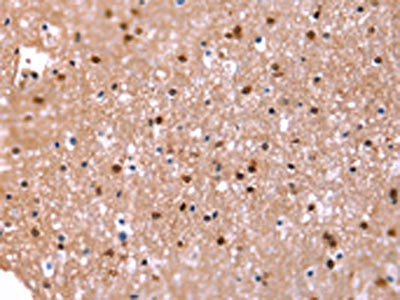
Product group Antibodies

FAT1 AntibodyCSB-PA068354
ApplicationsELISA, ImmunoHistoChemistry
ReactivityHuman
TargetFAT1
- SizePrice
Product group Antibodies

FAT1 / FAT AntibodyLS-C403151
ApplicationsELISA, ImmunoHistoChemistry
ReactivityHuman
TargetFAT1
- SizePrice

Product group Antibodies

Anti-FAT1 AntibodyHPA001869
ApplicationsImmunoHistoChemistry
ReactivityHuman
TargetFAT1
- SizePrice