

Anti-Neurofilament Antibody
R1706-17

ApplicationsImmunoFluorescence, Western Blot, ImmunoHistoChemistry, ImmunoHistoChemistry Paraffin
Product group Antibodies
ReactivityHuman, Mouse, Rat
TargetNEFH
Overview
- SupplierHUABIO
- Product NameAnti-Neurofilament Antibody
- Delivery Days Customer7
- ApplicationsImmunoFluorescence, Western Blot, ImmunoHistoChemistry, ImmunoHistoChemistry Paraffin
- Applications SupplierWB,IF-Cell,IHC-P
- CertificationResearch Use Only
- ClonalityPolyclonal
- Concentration1 mg/ml
- ConjugateUnconjugated
- Gene ID4744
- Target nameNEFH
- Target descriptionneurofilament heavy chain
- Target synonymsCMT2CC, NFH, neurofilament heavy polypeptide, 200 kDa neurofilament protein, NF-H, neurofilament triplet H protein, neurofilament, heavy polypeptide 200kDa
- HostRabbit
- IsotypeIgG
- Protein IDP12036
- Protein NameNeurofilament heavy polypeptide
- Scientific DescriptionNeurofilaments usually contain three intermediate filament proteins: L, M, and H which are involved in the maintenance of neuronal caliber. NF-H has an important function in mature axons that is not subserved by the two smaller NF proteins. Neurofilament-H (NF-H), also known as neurofilament heavy polypeptide, and Neurofilament-L (NF-L), also known as neurofilament light polypeptide, members of the intermediate filament family, are major components of neuronal cytoskeletons. Neurofilaments are dynamic structures; they contain phosphorylation sites for a large number of protein kinases, including protein kinase A, protein kinase C, cyclin-dependent kinase 5, extracellular signal regulated kinase, glycogen synthase kinase-3, and stress-activated protein kinase gamma. In addition to their role in the control of axon caliber, neurofilaments may affect other cytoskeletal elements, such as microtubules and Actin filaments. Changes in neurofilament phosphorylation or metabolism are frequently observed in neurodegenerative diseases, including amyotrophic lateral sclerosis (ALS), Parkinsons disease and Alzheimers disease.
- ReactivityHuman, Mouse, Rat
- Reactivity SupplierHuman,Mouse,Rat
- Storage Instruction-20°C,2°C to 8°C
- UNSPSC41116161
Datasheet
Related products
Product group Antibodies

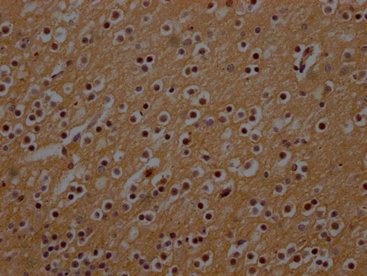
NEFH AntibodyCSB-PA015686LA01HU
ApplicationsImmunoFluorescence, ELISA, ImmunoHistoChemistry
ReactivityHuman
TargetNEFH
- SizePrice

Product group Antibodies

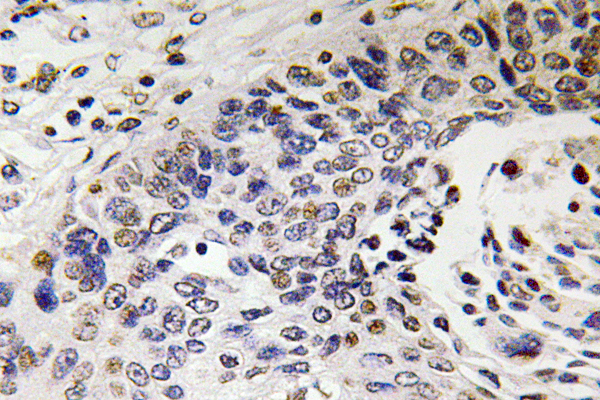
Anti-NF-H AntibodyA101261
ApplicationsELISA, ImmunoHistoChemistry
ReactivityHuman
- SizePrice

Product group Antibodies

Anti-NEFH AntibodyAMAB91025
ApplicationsWestern Blot, ImmunoHistoChemistry
ReactivityHuman
TargetNEFH
- SizePrice

Product group Antibodies
References

ApplicationsWestern Blot, ImmunoHistoChemistry
ReactivityHuman, Mouse, Rat
TargetNEFH
- SizePrice
Product group Antibodies

NEFH / NF-H AntibodyLS-C406605
ApplicationsELISA, ImmunoHistoChemistry
ReactivityHuman
TargetNEFH
- SizePrice
Product group Antibodies

Mouse anti Neurofilament 200 kDMUB1306P
ApplicationsWestern Blot, ImmunoHistoChemistry, ImmunoHistoChemistry Frozen, ImmunoHistoChemistry Paraffin
ReactivityBovine, Canine, Chicken, Guinea Pig, Human, Monkey, Mouse, Rabbit, Rat, Sheep, Xenopus
TargetNEFH
- SizePrice
Product group Antibodies

ApplicationsImmunoPrecipitation, Western Blot, ImmunoCytoChemistry, ImmunoHistoChemistry
TargetNEFH
- SizePrice
![NF-H antibody detects NF-H protein at cytoplasm by immunofluorescent analysis. Sample: DIV9 rat E18 primary cortical neurons were fixed in 4% paraformaldehyde at RT for 15 min. Green: NF-H protein stained by NF-H antibody (GTX110065) diluted at 1:500. Red: beta Tubulin 3/ Tuj1, stained by beta Tubulin 3/ Tuj1 antibody [GT11710] (GTX631836) diluted at 1:500. Blue: Fluoroshield with DAPI (GTX30920).](https://www.genetex.com/upload/website/prouct_img/normal/GTX110065/GTX110065_40114_20170503_IFA_R_w_23060500_958.webp)
Product group Antibodies

NF-H antibodyGTX110065
ApplicationsImmunoFluorescence, Western Blot, ImmunoCytoChemistry, ImmunoHistoChemistry, ImmunoHistoChemistry Frozen, ImmunoHistoChemistry Paraffin
ReactivityHuman, Mouse, Rat
TargetNEFH
- SizePrice
Product group Antibodies
References

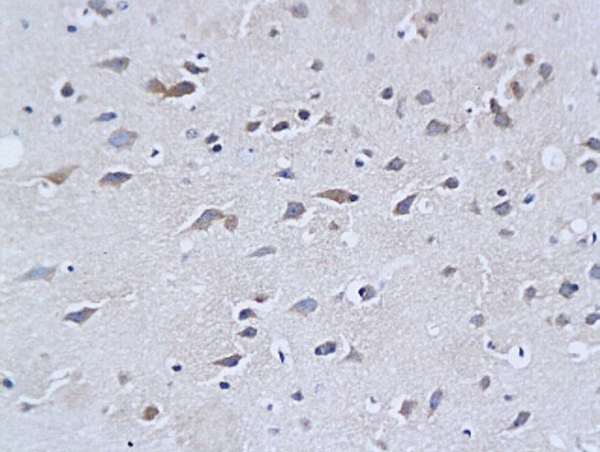
NF-H Polyclonal AntibodyBS-0708R
ApplicationsImmunoFluorescence, Western Blot, ELISA, ImmunoHistoChemistry, ImmunoHistoChemistry Paraffin
ReactivityHuman, Mouse, Rat
TargetNEFH
- SizePrice