

Anti-PKA C alpha Antibody
ER1706-65

ApplicationsFlow Cytometry, ImmunoFluorescence, ImmunoHistoChemistry, ImmunoHistoChemistry Paraffin
Product group Antibodies
ReactivityHuman, Mouse, Rat
TargetPRKACA
Overview
- SupplierHUABIO
- Product NameAnti-PKA C alpha Antibody
- Delivery Days Customer7
- ApplicationsFlow Cytometry, ImmunoFluorescence, ImmunoHistoChemistry, ImmunoHistoChemistry Paraffin
- Applications SupplierIF-Cell,IHC-P,FC
- CertificationResearch Use Only
- ClonalityPolyclonal
- Concentration1 mg/ml
- ConjugateUnconjugated
- Gene ID5566
- Target namePRKACA
- Target descriptionprotein kinase cAMP-activated catalytic subunit alpha
- Target synonymsCAFD1, PKACA, PPNAD4, cAMP-dependent protein kinase catalytic subunit alpha, PKA C-alpha, protein kinase A catalytic subunit, protein kinase, cAMP-dependent, alpha catalytic subunit, protein kinase, cAMP-dependent, catalytic, alpha
- HostRabbit
- IsotypeIgG
- Protein IDP05132
- Protein NamecAMP-dependent protein kinase catalytic subunit alpha
- Scientific DescriptionThe second messenger cyclic AMP (cAMP) mediates diverse cellular responses to external signals such as proliferation, ion transport, regulation of metabolism and gene transcription by activation of the cAMP-dependent protein kinase (cAPK or PKA). Activation of PKA occurs when cAMP binds to the two regulatory subunits of the tetrameric PKA holoenzyme resulting in release of active catalytic subunits. Three catalytic (C) subunits have been identified, designated Calpha, Cbeta and Cgamma, that each represent specific gene products. Calpha and Cbeta are closely related (93% amino acid sequence similarity), whereas Cgamma displays 83% and 79% similarity to Calpha and Cbeta, respectively. Activation of transcription upon elevation of cAMP levels results from translocation of PKA to the nucleus where it phosphorylates the transcription factor cAMP response element binding protein (CREB) on serine 133 which in turn leads to TFIIB binding to TATA-box-binding protein TBP1, thus linking phospho-CREB to the pol II transcription initiation complex.
- ReactivityHuman, Mouse, Rat
- Reactivity SupplierHuman,Mouse,Rat
- Storage Instruction-20°C,2°C to 8°C
- UNSPSC41116161
Datasheet
Related products
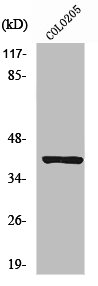
Product group Antibodies

PRKACA/PRKACB AntibodyCSB-PA003798
ApplicationsImmunoFluorescence, Western Blot, ELISA, ImmunoHistoChemistry
ReactivityHuman, Mouse, Rat
TargetPRKACA
- SizePrice
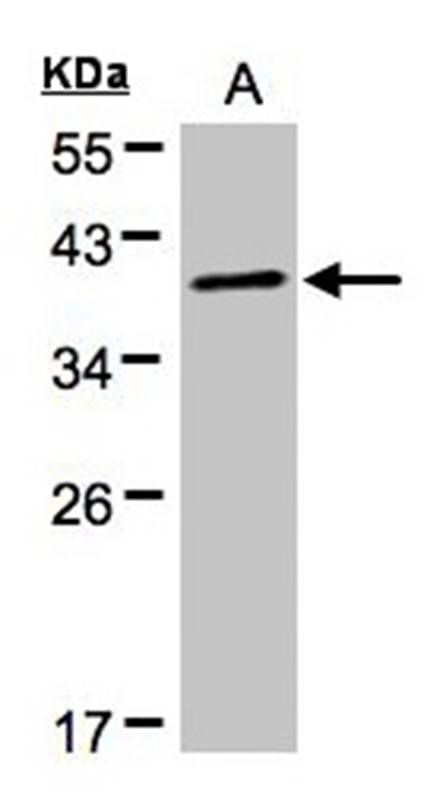
Product group Antibodies

Anti-PRKACA AntibodyA39494
ApplicationsImmunoFluorescence, Western Blot
ReactivityHuman, Mouse
- SizePrice

Product group Antibodies

ApplicationsWestern Blot, ImmunoHistoChemistry
ReactivityHuman, Mouse, Rat
TargetPRKACA
- SizePrice
Product group Antibodies

PRKACA AntibodyLS-C769851
ApplicationsWestern Blot
ReactivityMouse
TargetPRKACA
- SizePrice

Product group Antibodies

Anti-PRKACA AntibodyHPA071185
ApplicationsWestern Blot, ImmunoCytoChemistry
ReactivityHuman
TargetPRKACA
- SizePrice
Product group Antibodies

Goat anti-PRKACAEB12864
ApplicationsWestern Blot, ELISA
ReactivityHuman
TargetPRKACA
- SizePrice
Product group Antibodies

PRKACA Polyclonal AntibodyCAC15816
ApplicationsWestern Blot, ELISA, ImmunoHistoChemistry
TargetPRKACA
- SizePrice
Product group Antibodies

PRKACA/PRKACB AntibodyPACO06759
ApplicationsImmunoFluorescence, Western Blot, ELISA, ImmunoHistoChemistry
ReactivityHuman, Mouse, Rat
TargetPRKACA
- SizePrice
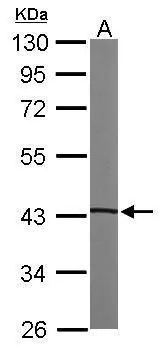
Product group Antibodies

PKA C alpha antibody [N2C3]GTX104934
ApplicationsImmunoFluorescence, Western Blot, ImmunoCytoChemistry, ImmunoHistoChemistry, ImmunoHistoChemistry Paraffin
ReactivityHuman, Mouse
TargetPRKACA
- SizePrice
Product group Antibodies

ApplicationsFlow Cytometry, Western Blot, ImmunoCytoChemistry
ReactivityHuman, Mouse, Rat
TargetPRKACA
- SizePrice