


Anti-PPAR gamma antibody, PA1320, Western blotting Lane 1: MM453 Cell Lysate Lane 2: MM231 Cell Lysate Lane 3: HELA Cell Lysate Lane 4: JURKAT Cell Lysate Lane 5: HT1080 Cell Lysate
Anti-PPAR gamma antibody, PA1320, Western blotting Lane 1: MM453 Cell Lysate Lane 2: MM231 Cell Lysate Lane 3: HELA Cell Lysate Lane 4: JURKAT Cell Lysate Lane 5: HT1080 Cell Lysate
Anti-PPAR gamma/PPARG Antibody Picoband(r)
PA1320

ApplicationsWestern Blot
Product group Antibodies
ReactivityHuman
TargetPPARG
Overview
- SupplierBoster Bio
- Product NameAnti-PPAR gamma/PPARG Antibody Picoband(r)
- Delivery Days Customer9
- Application Supplier NoteTested Species: In-house tested species with positive results. Predicted Species: Species predicted to be fit for the product based on sequence similarities. Other applications have not been tested. Optimal dilutions should be determined by end users.
- ApplicationsWestern Blot
- Applications SupplierWB
- CertificationResearch Use Only
- ClonalityPolyclonal
- Concentration500 ug/ml
- Gene ID5468
- Target namePPARG
- Target descriptionperoxisome proliferator activated receptor gamma
- Target synonymsCIMT1, FPLD3, GLM1, NR1C3, PPARG1, PPARG2, PPARG5, PPARgamma, peroxisome proliferator-activated receptor gamma, PPAR-gamma, nuclear receptor subfamily 1 group C member 3, peroxisome proliferator-activated receptor-gamma 5, peroxisome proliferator-activated receptor-gamma splicing
- HostRabbit
- IsotypeIgG
- Protein IDP37231
- Protein NamePeroxisome proliferator-activated receptor gamma
- Scientific DescriptionBoster Bio Anti-PPAR gamma/PPARG Antibody catalog # PA1320. Tested in WB applications. This antibody reacts with Human. The brand Picoband indicates this is a premium antibody that guarantees superior quality, high affinity, and strong signals with minimal background in Western blot applications. Only our best-performing antibodies are designated as Picoband, ensuring unmatched performance.
- ReactivityHuman
- Reactivity SupplierHuman
- Storage Instruction-20°C,2°C to 8°C
- UNSPSC12352203
References
- Costa TC, Moura FH, Souza RO, et al. Effect of maternal feed restriction in dairy goats at different stages of gestation on skeletal muscle development and energy metabolism of kids at the time of births. Anim Reprod Sci. 2019,206:46-59. doi: 10.1016/j.anireprosci.2019.05.006Read this paper
Datasheet
MSDS
Related products


Product group Antibodies
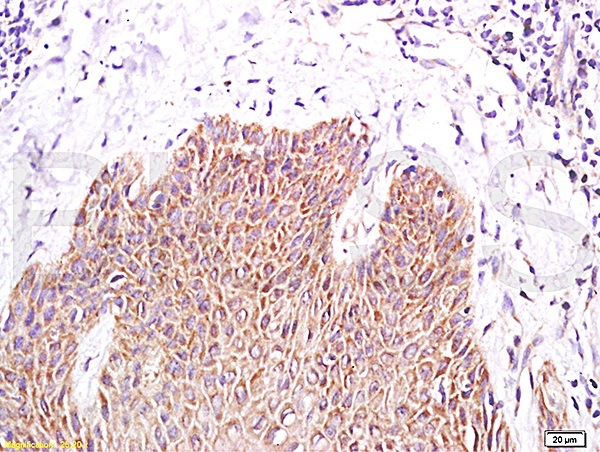
Anti-PPAR gamma/PPARG Antibody Picoband(r)A00449-2-CARRIER-FREE
ApplicationsWestern Blot
ReactivityHuman
TargetPPARG
- SizePrice
Product group Antibodies
References

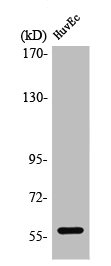
PPAR gamma Polyclonal AntibodyBS-0530R
ApplicationsFlow Cytometry, ImmunoFluorescence, Western Blot, ELISA, ImmunoCytoChemistry, ImmunoHistoChemistry, ImmunoHistoChemistry Frozen, ImmunoHistoChemistry Paraffin
ReactivityBovine, Chicken, Human, Mouse, Porcine, Rabbit, Rat, Sheep
TargetPPARG
- SizePrice
Product group Antibodies

PPARG AntibodyCSB-PA003839
ApplicationsWestern Blot, ELISA, ImmunoHistoChemistry
ReactivityHuman, Mouse, Rat
TargetPPARG
- SizePrice
Product group Antibodies

Pparg Polyclonal AntibodyCAC07091
ApplicationsImmunoFluorescence, ELISA, ImmunoHistoChemistry
TargetPPARG
- SizePrice
Product group Antibodies

PPARG / PPAR Gamma Antibody (Internal)LS-C368478
ApplicationsImmunoFluorescence, Western Blot, ImmunoCytoChemistry, ImmunoHistoChemistry, ImmunoHistoChemistry Paraffin
ReactivityCanine, Human, Mouse, Rabbit, Rat
TargetPPARG
- SizePrice

Product group Antibodies

Anti-PPARG AntibodyHPA051239
ApplicationsImmunoCytoChemistry
ReactivityHuman
TargetPPARG
- SizePrice
Product group Antibodies

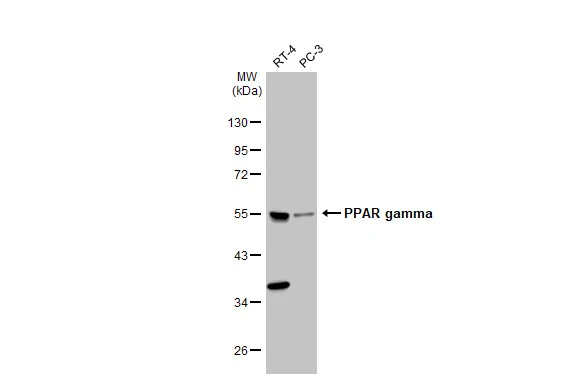
PPAR gamma antibodyGTX113344
ApplicationsWestern Blot, ImmunoHistoChemistry, ImmunoHistoChemistry Paraffin
ReactivityHuman, Mouse, Rat
TargetPPARG
- SizePrice

Product group Antibodies

Anti-PPARGY058458
ApplicationsWestern Blot
ReactivityHuman, Other Species
- SizePrice