

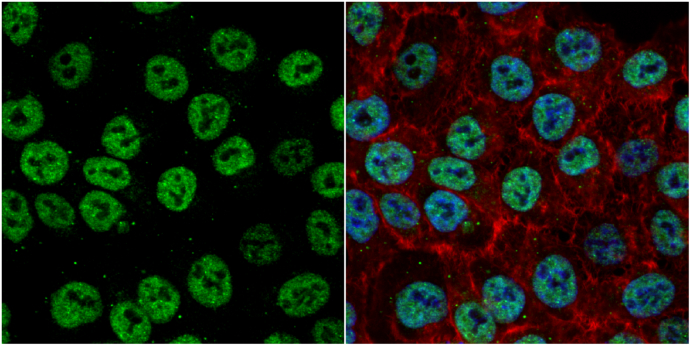
Exonuclease 1 antibody detects Exonuclease 1 protein at nucleus by immunofluorescent analysis. Sample: HCT116 cells were fixed in 4% paraformaldehyde at RT for 15 min. Green: Exonuclease 1 protein stained by Exonuclease 1 antibody (GTX109891) diluted at 1:1000. Red: phalloidin, a cytoskeleton marker, stained by phalloidin (invitrogen, A12380) diluted at 1:200. Blue: Hoechst 33342 staining.
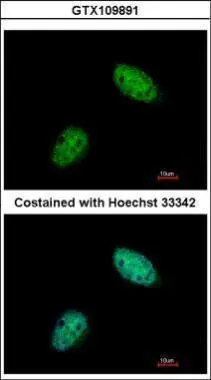
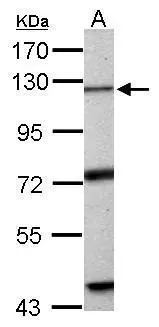
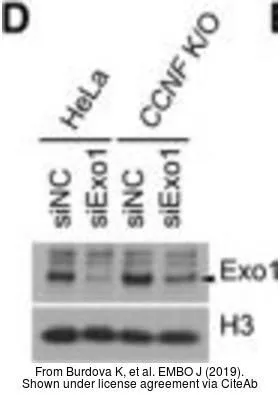
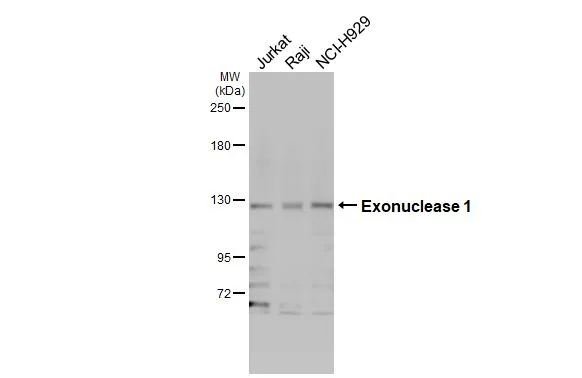
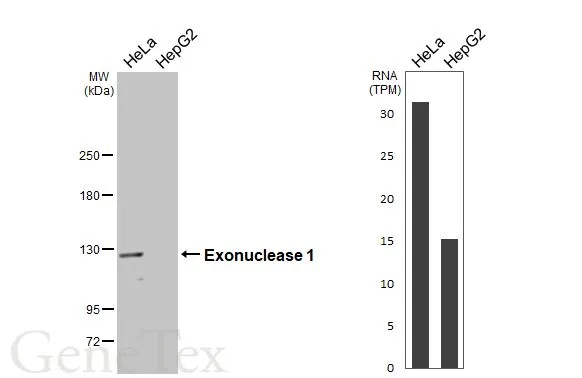
Exonuclease 1 antibody detects Exonuclease 1 protein at nucleus by immunofluorescent analysis. Sample: HCT116 cells were fixed in 4% paraformaldehyde at RT for 15 min. Green: Exonuclease 1 protein stained by Exonuclease 1 antibody (GTX109891) diluted at 1:1000. Red: phalloidin, a cytoskeleton marker, stained by phalloidin (invitrogen, A12380) diluted at 1:200. Blue: Hoechst 33342 staining.
Exonuclease 1 antibody
GTX109891

ApplicationsImmunoFluorescence, Western Blot, ImmunoCytoChemistry
Product group Antibodies
ReactivityHuman, Mouse
TargetEXO1
Overview
- SupplierGeneTex
- Product NameExonuclease 1 antibody
- Delivery Days Customer9
- Application Supplier NoteWB: 1:500-1:3000. ICC/IF: 1:100-1:1000. *Optimal dilutions/concentrations should be determined by the researcher.Not tested in other applications.
- ApplicationsImmunoFluorescence, Western Blot, ImmunoCytoChemistry
- CertificationResearch Use Only
- ClonalityPolyclonal
- Concentration2 mg/ml
- ConjugateUnconjugated
- Gene ID9156
- Target nameEXO1
- Target descriptionexonuclease 1
- Target synonymsHEX1, hExoI, exonuclease 1, rad2 nuclease family member, homolog of S. cerevisiae exonuclease 1
- HostRabbit
- IsotypeIgG
- Protein IDQ9UQ84
- Protein NameExonuclease 1
- Scientific DescriptionThis gene encodes a protein with 5 to 3 exonuclease activity as well as an RNase H activity. It is similar to the Saccharomyces cerevisiae protein Exo1 which interacts with Msh2 and which is involved in mismatch repair and recombination. Alternative splicing of this gene results in three transcript variants encoding two different isoforms. [provided by RefSeq]
- ReactivityHuman, Mouse
- Storage Instruction-20°C or -80°C,2°C to 8°C
- UNSPSC41116161
Datasheet
Related products
Product group Antibodies

Anti-EXO1 AntibodyA98406
ApplicationsImmunoFluorescence, Western Blot, ELISA
ReactivityHuman, Mouse
- SizePrice


Product group Antibodies

Anti-Exonuclease 1/EXO1 Antibody Picoband(r)A00536-2-CARRIER-FREE
ApplicationsFlow Cytometry, Western Blot, ELISA, ImmunoHistoChemistry
ReactivityHuman
TargetEXO1
- SizePrice
Product group Antibodies

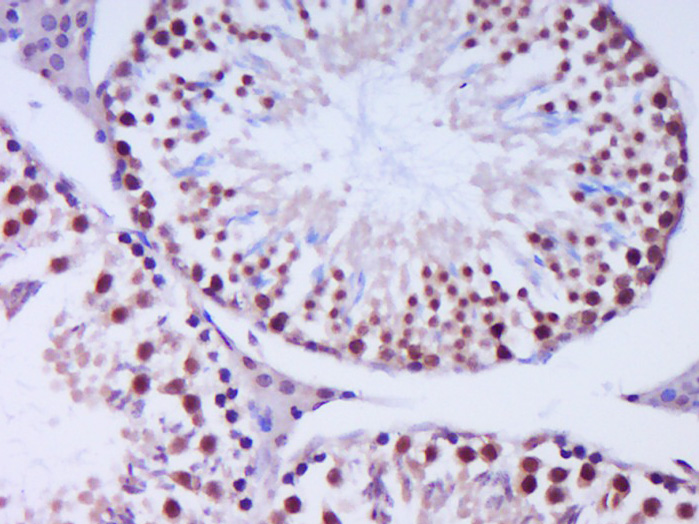
Exonuclease 1 Polyclonal AntibodyBS-13119R
ApplicationsFlow Cytometry, ImmunoFluorescence, Western Blot, ELISA, ImmunoCytoChemistry, ImmunoHistoChemistry, ImmunoHistoChemistry Frozen, ImmunoHistoChemistry Paraffin
ReactivityHamster, Human, Mouse, Primate, Rat
TargetEXO1
- SizePrice
Product group Antibodies

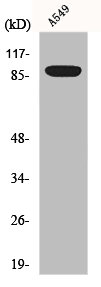
EXO1 AntibodyCSB-PA002455
ApplicationsImmunoFluorescence, Western Blot, ELISA
ReactivityHuman, Mouse
TargetEXO1
- SizePrice
Product group Antibodies

Goat anti-EXO1EB08306
ApplicationsWestern Blot, ELISA
ReactivityHuman
TargetEXO1
- SizePrice
Product group Antibodies

Exo1 Polyclonal AntibodyCAC08414
ApplicationsWestern Blot, ELISA, ImmunoHistoChemistry
TargetEXO1
- SizePrice
Product group Antibodies

EXO1 AntibodyLS-C408381
ApplicationsWestern Blot, ImmunoHistoChemistry
ReactivityHuman
TargetEXO1
- SizePrice
Product group Antibodies
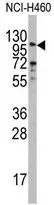
Exonuclease 1 antibody, N-termGTX81967
ApplicationsImmunoFluorescence, Western Blot, ImmunoCytoChemistry
ReactivityHuman
TargetEXO1
- SizePrice
Product group Antibodies
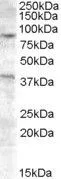
Exonuclease 1 antibody, InternalGTX88837
ApplicationsWestern Blot
ReactivityHuman
TargetEXO1
- SizePrice