

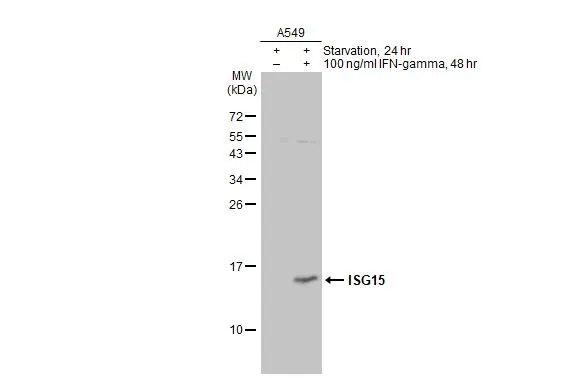
Untreated (–) and treated (+) A549 whole cell extracts (30 μg) were separated by 15% SDS-PAGE, and the membrane was blotted with ISG15 antibody (GTX121474) diluted at 1:1000. The HRP-conjugated anti-rabbit IgG antibody (GTX213110-01) was used to detect the primary antibody.
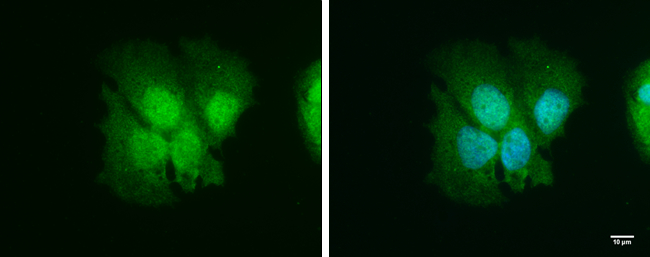
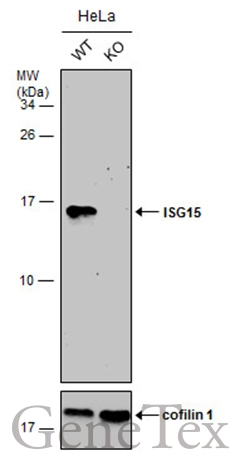
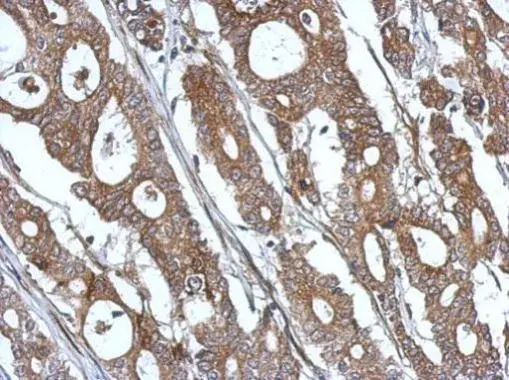
Untreated (–) and treated (+) A549 whole cell extracts (30 μg) were separated by 15% SDS-PAGE, and the membrane was blotted with ISG15 antibody (GTX121474) diluted at 1:1000. The HRP-conjugated anti-rabbit IgG antibody (GTX213110-01) was used to detect the primary antibody.
ISG15 antibody
GTX121474

ApplicationsImmunoFluorescence, Western Blot, ImmunoCytoChemistry, ImmunoHistoChemistry, ImmunoHistoChemistry Paraffin
Product group Antibodies
ReactivityHuman
TargetISG15
Overview
- SupplierGeneTex
- Product NameISG15 antibody
- Delivery Days Customer9
- Application Supplier NoteWB: 1:500-1:3000. ICC/IF: 1:100-1:1000. IHC-P: 1:100-1:1000. *Optimal dilutions/concentrations should be determined by the researcher.Not tested in other applications.
- ApplicationsImmunoFluorescence, Western Blot, ImmunoCytoChemistry, ImmunoHistoChemistry, ImmunoHistoChemistry Paraffin
- CertificationResearch Use Only
- ClonalityPolyclonal
- Concentration0.45 mg/ml
- ConjugateUnconjugated
- Gene ID9636
- Target nameISG15
- Target descriptionISG15 ubiquitin like modifier
- Target synonymsG1P2, IFI15, IMD38, IP17, UCRP, hUCRP, ubiquitin-like protein ISG15, interferon, alpha-inducible protein (clone IFI-15K), interferon-induced 17-kDa/15-kDa protein, interferon-stimulated protein, 15 kDa, ubiquitin cross-reactive protein
- HostRabbit
- IsotypeIgG
- Protein IDP05161
- Protein NameUbiquitin-like protein ISG15
- Scientific DescriptionISG15 is a ubiquitin-like protein that becomes conjugated to many cellular proteins upon activation by interferon-alpha (IFNA; MIM 147660) and -beta (IFNB; MIM 147640) (Zhao et al., 2005 [PubMed 16009940]).[supplied by OMIM]
- ReactivityHuman
- Storage Instruction-20°C or -80°C,2°C to 8°C
- UNSPSC41116161
Datasheet
Related products
Product group Antibodies

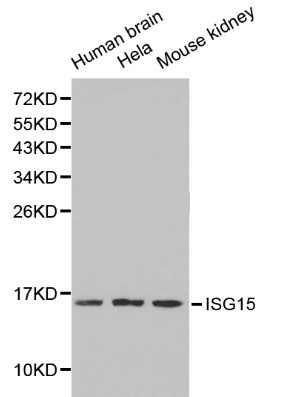
Anti-ISG15 AntibodyA29470
ApplicationsWestern Blot, ImmunoHistoChemistry
ReactivityHuman, Mouse
- SizePrice
Product group Antibodies

Anti-ISG15 Antibody144-01182
ApplicationsWestern Blot, ImmunoHistoChemistry
ReactivityHuman, Mouse, Rat
TargetISG15
- SizePrice
Product group Antibodies

ISG15 AntibodyLS-C832072
ApplicationsWestern Blot, ELISA
ReactivityHuman
TargetISG15
- SizePrice
Product group Antibodies

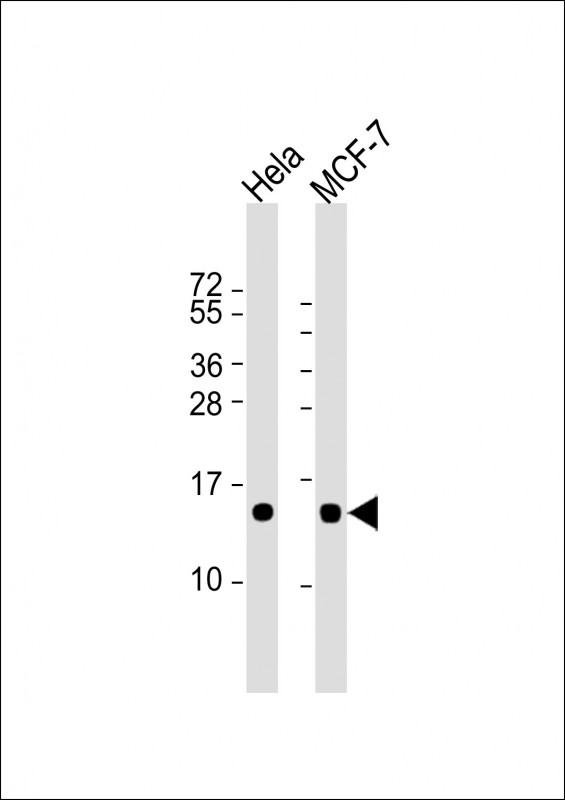
ISG15 Monoclonal AntibodyBSM-51373M
ApplicationsImmunoFluorescence, Western Blot
ReactivityHuman
TargetISG15
- SizePrice
Product group Antibodies

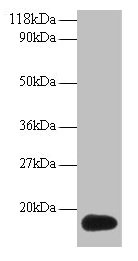
ISG15 AntibodyCSB-PA09744A0RB
ApplicationsImmunoPrecipitation, Western Blot, ELISA
ReactivityHuman
TargetISG15
- SizePrice
Product group Antibodies

Isg15 Polyclonal AntibodyCAC07110
ApplicationsImmunoPrecipitation, Western Blot, ELISA
TargetISG15
- SizePrice
Product group Antibodies
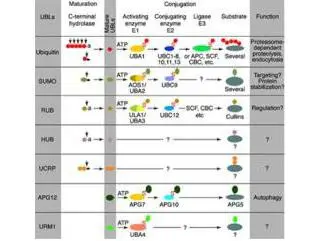
ISG15 antibodyGTX14374
ApplicationsWestern Blot, ELISA, ImmunoHistoChemistry
ReactivityHuman
TargetISG15
- SizePrice

Product group Antibodies

Anti-ISG15 AntibodyHPA004627
ApplicationsWestern Blot
ReactivityHuman
TargetISG15
- SizePrice
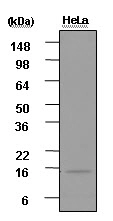
Product group Antibodies
ISG15 antibody [3E5]GTX50062
ApplicationsWestern Blot, ELISA
ReactivityHuman
TargetISG15
- SizePrice
![Wild-type (WT) and ISG15 knockout (KO) HeLa cell extracts (30 μg) were separated by 15% SDS-PAGE, and the membrane was blotted with ISG15 antibody [HL2016] (GTX637917) diluted at 1:1000. The HRP-conjugated anti-rabbit IgG antibody (GTX213110-01) was used to detect the primary antibody.](https://www.genetex.com/upload/website/prouct_img/normal/GTX637917/GTX637917_T-44872_20221209_WB_KO_watermark_22121123_189.webp)
Product group Antibodies
ISG15 antibody [HL2016]GTX637917
ApplicationsWestern Blot
ReactivityHuman
TargetISG15
- SizePrice