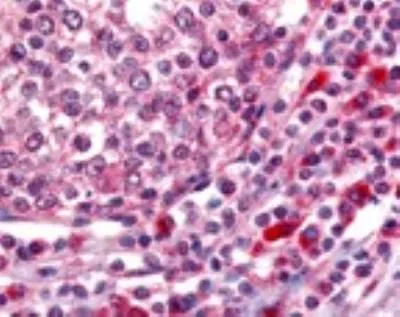
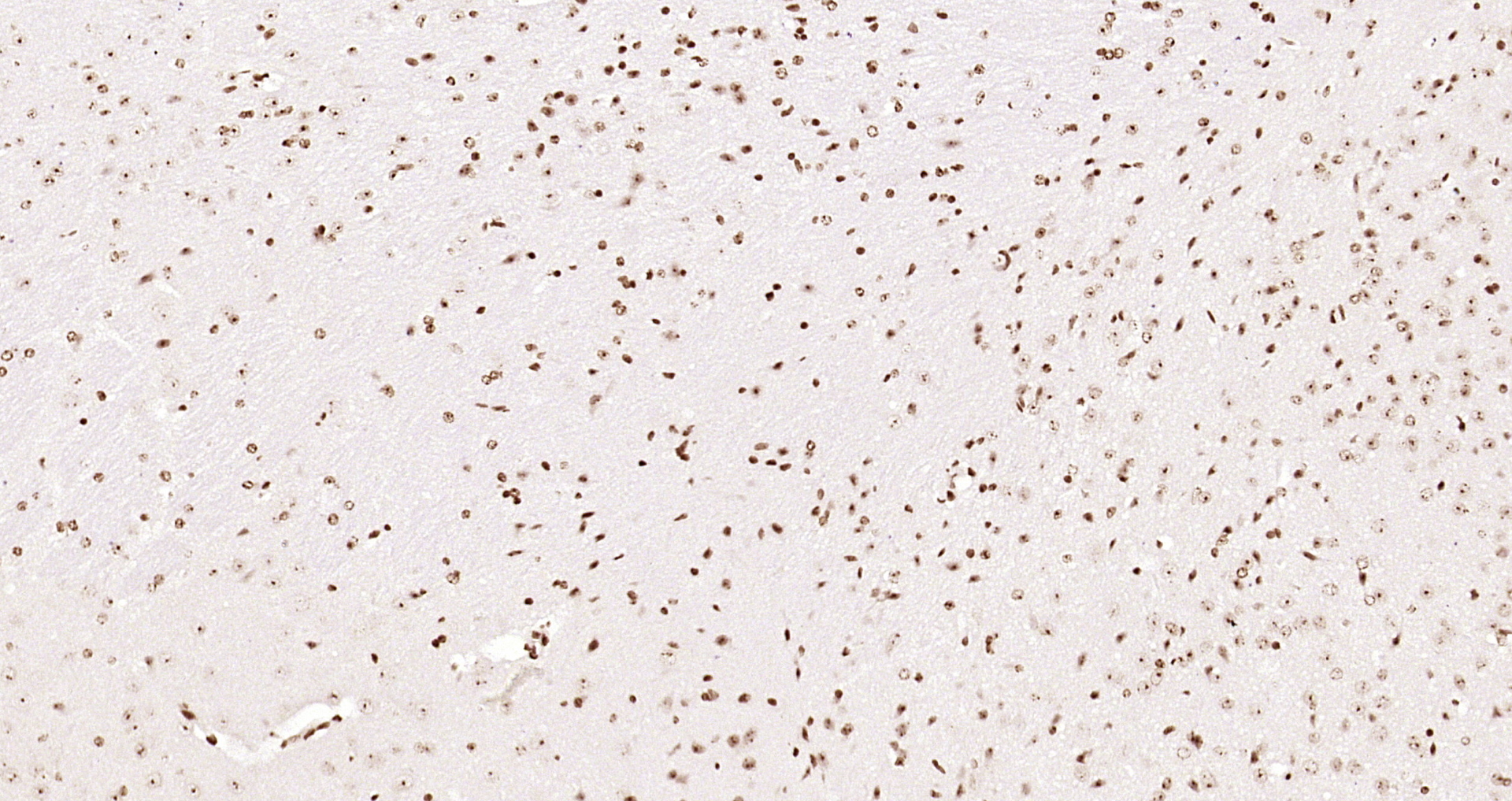
IHC-P analysis of human tonsillar germinal center and mantle zone using GTX20204 Ogg1 antibody.
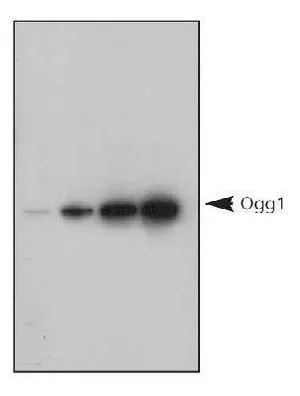
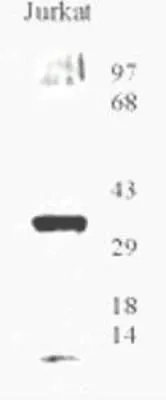
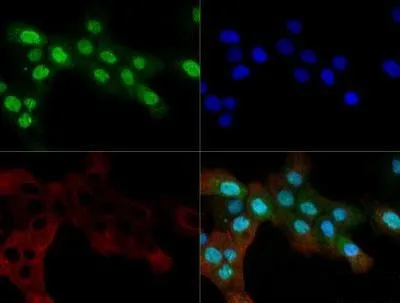
IHC-P analysis of human tonsillar germinal center and mantle zone using GTX20204 Ogg1 antibody.
Ogg1 antibody
GTX20204

ApplicationsFlow Cytometry, ImmunoFluorescence, ImmunoPrecipitation, Western Blot, ELISA, ImmunoCytoChemistry, ImmunoHistoChemistry, ImmunoHistoChemistry Frozen, ImmunoHistoChemistry Paraffin
Product group Antibodies
ReactivityHuman, Mouse, Primate, Rat
TargetOGG1
Overview
- SupplierGeneTex
- Product NameOgg1 antibody
- Delivery Days Customer9
- Application Supplier NoteWB: 1:500 - 1:1000. ICC/IF: 1:100 - 1:500. IHC-Fr: 1:25 - 1:100. IP: 1:10 - 1:500. *Optimal dilutions/concentrations should be determined by the researcher.Not tested in other applications.
- ApplicationsFlow Cytometry, ImmunoFluorescence, ImmunoPrecipitation, Western Blot, ELISA, ImmunoCytoChemistry, ImmunoHistoChemistry, ImmunoHistoChemistry Frozen, ImmunoHistoChemistry Paraffin
- CertificationResearch Use Only
- ClonalityPolyclonal
- Concentration1 mg/ml
- ConjugateUnconjugated
- Gene ID4968
- Target nameOGG1
- Target description8-oxoguanine DNA glycosylase
- Target synonymsHMMH, HOGG1, MUTM, OGH1, N-glycosylase/DNA lyase, 8-hydroxyguanine DNA glycosylase, AP lyase, DNA-apurinic or apyrimidinic site lyase, OGG1 type 1f
- HostRabbit
- IsotypeIgG
- Protein IDO15527
- Protein NameN-glycosylase/DNA lyase
- Scientific DescriptionThis gene encodes the enzyme responsible for the excision of 8-oxoguanine, a mutagenic base byproduct which occurs as a result of exposure to reactive oxygen. The action of this enzyme includes lyase activity for chain cleavage. Alternative splicing of the C-terminal region of this gene classifies splice variants into two major groups, type 1 and type 2, depending on the last exon of the sequence. Type 1 alternative splice variants end with exon 7 and type 2 end with exon 8. All variants share the N-terminal region in common, which contains a mitochondrial targeting signal that is essential for mitochondrial localization. Many alternative splice variants for this gene have been described, but the full-length nature for every variant has not been determined. [provided by RefSeq]
- ReactivityHuman, Mouse, Primate, Rat
- Storage Instruction-20°C or -80°C,2°C to 8°C
- UNSPSC41116161
References
- The DNA Glycosylase NEIL2 Suppresses Fusobacterium-Infection-Induced Inflammation and DNA Damage in Colonic Epithelial Cells. Sayed IM et al., 2020 Aug 28, CellsRead this paper
- Enhanced mitochondrial DNA repair of the common disease-associated variant, Ser326Cys, of hOGG1 through small molecule intervention. Baptiste BA et al., 2018 Aug 20, Free Radic Biol MedRead this paper
- Regulation of the angiotensin II-p22phox-reactive oxygen species signaling pathway, apoptosis and 8-oxoguanine-DNA glycosylase 1 retrieval in hyperoxia-induced lung injury and fibrosis in rats. Wang Y et al., 2017 Jun, Exp Ther MedRead this paper
- O-GlcNAcylation of 8-Oxoguanine DNA Glycosylase (Ogg1) Impairs Oxidative Mitochondrial DNA Lesion Repair in Diabetic Hearts. Cividini F et al., 2016 Dec 16, J Biol ChemRead this paper
Datasheet
Related products
Product group Antibodies

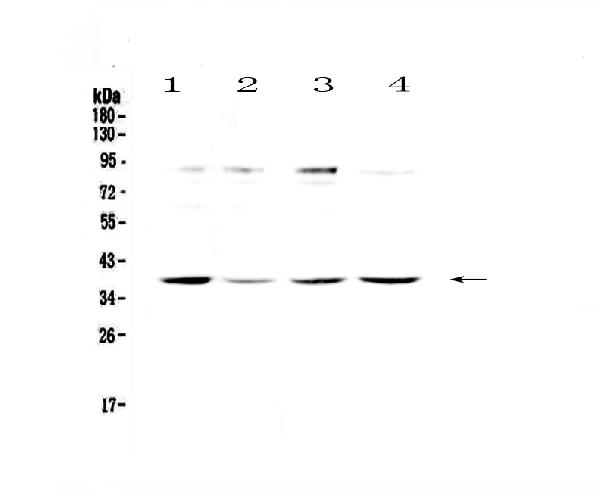
Anti-Ogg1 Antibody Picoband(r)A00768-1-CARRIER-FREE
ApplicationsImmunoFluorescence, Western Blot, ImmunoCytoChemistry, ImmunoHistoChemistry
ReactivityHuman
TargetOGG1
- SizePrice
Product group Antibodies

Anti-OGG1 Antibody144-62942
ApplicationsWestern Blot, ImmunoHistoChemistry
ReactivityHuman, Mouse, Rat
TargetOGG1
- SizePrice
Product group Antibodies

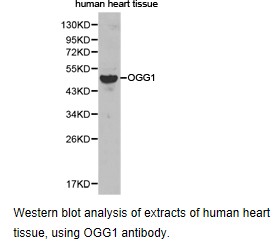
Anti-OGG1 AntibodyA30076
ApplicationsWestern Blot, ImmunoHistoChemistry
ReactivityHuman, Mouse, Rat
- SizePrice
Product group Antibodies
References

OGG1 Polyclonal AntibodyBS-3687R
ApplicationsFlow Cytometry, Western Blot, ELISA, ImmunoHistoChemistry, ImmunoHistoChemistry Frozen, ImmunoHistoChemistry Paraffin
ReactivityBovine, Canine, Human, Mouse, Porcine, Rat
TargetOGG1
- SizePrice
Product group Antibodies

Ogg1 Polyclonal AntibodyCAC07305
ApplicationsWestern Blot, ELISA, ImmunoHistoChemistry
TargetOGG1
- SizePrice
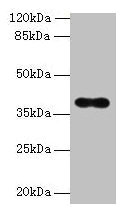
Product group Antibodies

OGG1 AntibodyCSB-PA016313LA01HU
ApplicationsWestern Blot, ELISA, ImmunoHistoChemistry
ReactivityHuman
TargetOGG1
- SizePrice
Product group Antibodies

OGG1 AntibodyLS-C331440
ApplicationsWestern Blot, ImmunoHistoChemistry
ReactivityHuman, Mouse, Rat
TargetOGG1
- SizePrice