

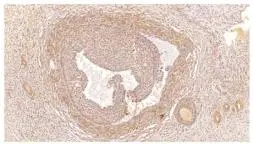
IHC-P analysis of human ovarian medulla tissue using GTX14608 PDE4C antibody. Dilution : 1:3000
IHC-P analysis of human ovarian medulla tissue using GTX14608 PDE4C antibody. Dilution : 1:3000
PDE4C antibody
GTX14608

ApplicationsImmunoFluorescence, ImmunoPrecipitation, Western Blot, ELISA, ImmunoCytoChemistry, ImmunoHistoChemistry, ImmunoHistoChemistry Frozen, ImmunoHistoChemistry Paraffin
Product group Antibodies
ReactivityHuman, Mouse, Rat
TargetPDE4C
Overview
- SupplierGeneTex
- Product NamePDE4C antibody
- Delivery Days Customer9
- Application Supplier NoteWB: 1:500-1:2500. ICC/IF: 1:200. IHC-P: 1:200. IHC-Fr: 1:200. IP: 1:200. ELISA: 1:10000. *Optimal dilutions/concentrations should be determined by the researcher.Not tested in other applications.
- ApplicationsImmunoFluorescence, ImmunoPrecipitation, Western Blot, ELISA, ImmunoCytoChemistry, ImmunoHistoChemistry, ImmunoHistoChemistry Frozen, ImmunoHistoChemistry Paraffin
- CertificationResearch Use Only
- ClonalityPolyclonal
- Concentration0.65 mg/ml
- ConjugateUnconjugated
- Gene ID5143
- Target namePDE4C
- Target descriptionphosphodiesterase 4C
- Target synonymsDPDE1, PDE21, 3',5'-cyclic-AMP phosphodiesterase 4C, cAMP-specific 3',5'-cyclic phosphodiesterase 4C, cAMP-specific phosphodiesterase 4C, dunce-like phosphodiesterase E1, phosphodiesterase 4C, cAMP-specific (phosphodiesterase E1 dunce homolog, Drosophila)
- HostRabbit
- IsotypeIgG
- Protein IDQ08493
- Protein Name3',5'-cyclic-AMP phosphodiesterase 4C
- Scientific DescriptionThe protein encoded by this gene belongs to the cyclic nucleotide phosphodiesterase (PDE) family, and PDE4 subfamily. This PDE hydrolyzes the second messenger, cAMP, which is a regulator and mediator of a number of cellular responses to extracellular signals. Thus, by regulating the cellular concentration of cAMP, this protein plays a key role in many important physiological processes. Alternatively spliced transcript variants encoding different isoforms have been described for this gene.[provided by RefSeq, Jul 2011]
- ReactivityHuman, Mouse, Rat
- Storage Instruction-20°C or -80°C,2°C to 8°C
- UNSPSC12352203
Datasheet
Related products

Product group Antibodies

Anti-PDE4C AntibodyA07630-1
ApplicationsWestern Blot, ELISA, ImmunoHistoChemistry
ReactivityHuman, Mouse, Rat
TargetPDE4C
- SizePrice
Product group Antibodies

Anti-PDE4C Antibody144-62602
ApplicationsWestern Blot
ReactivityHuman, Rat
TargetPDE4C
- SizePrice

Product group Antibodies

PDE4C AntibodyLS-C748099
ApplicationsWestern Blot
ReactivityHuman, Rat
TargetPDE4C
- SizePrice

Product group Antibodies

Anti-PDE4C AntibodyA97357
ApplicationsWestern Blot, ELISA
ReactivityHuman, Mouse, Rat
- SizePrice

Product group Antibodies

Anti-PDE4C AntibodyHPA048975
ApplicationsImmunoHistoChemistry
ReactivityHuman
TargetPDE4C
- SizePrice
Product group Antibodies

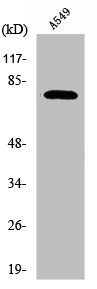
PDE4C AntibodyCSB-PA832211
ApplicationsWestern Blot, ELISA
ReactivityHuman, Mouse, Rat
TargetPDE4C
- SizePrice
Product group Antibodies
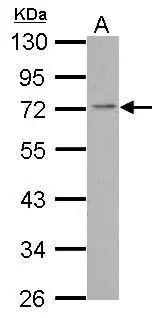
PDE4C antibody [N3C2], InternalGTX118307
ApplicationsWestern Blot
ReactivityHuman
TargetPDE4C
- SizePrice
Product group Antibodies
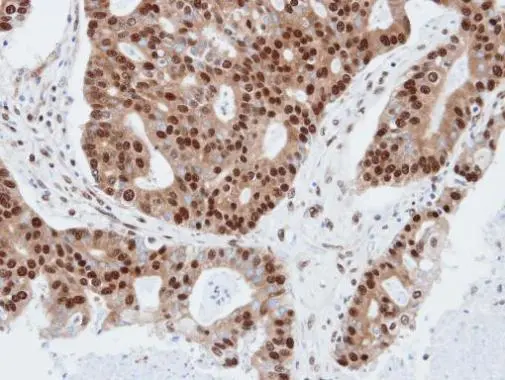
PDE4C antibody [N3C3]GTX106268
ApplicationsWestern Blot, ImmunoHistoChemistry, ImmunoHistoChemistry Paraffin
ReactivityHuman, Mouse
TargetPDE4C
- SizePrice