

Western Blot analysis of A549 cell using PLAUR Polyclonal Antibody at dilution of 1:450
Western Blot analysis of A549 cell using PLAUR Polyclonal Antibody at dilution of 1:450
PLAUR Polyclonal Antibody
E-AB-10547

ApplicationsWestern Blot, ImmunoHistoChemistry
Product group Antibodies
TargetPLAUR
Overview
- SupplierElabscience
- Product NamePLAUR Polyclonal Antibody
- Delivery Days Customer12
- ApplicationsWestern Blot, ImmunoHistoChemistry
- Applications SupplierELISA WB IHC
- CertificationResearch Use Only
- ClonalityPolyclonal
- Concentration0.4 mg/ml
- ConjugateUnconjugated
- Gene ID5329
- Target namePLAUR
- Target descriptionplasminogen activator, urokinase receptor
- Target synonymsCD87, U-PAR, UPAR, URKR, urokinase plasminogen activator surface receptor, monocyte activation antigen Mo3, u-plasminogen activator receptor form 2, urokinase-type plasminogen activator (uPA) receptor
- HostRabbit
- IsotypeIgG
- Protein IDQ03405
- Protein NameUrokinase plasminogen activator surface receptor
- Scientific DescriptionThis gene encodes the receptor for urokinase plasminogen activator and, given its role in localizing and promoting plasmin formation, likely influences many normal and pathological processes related to cell-surface plasminogen activation and localized degradation of the extracellular matrix. It binds both the proprotein and mature forms of urokinase plasminogen activator and permits the activation of the receptor-bound pro-enzyme by plasmin. The protein lacks transmembrane or cytoplasmic domains and may be anchored to the plasma membrane by a glycosyl-phosphatidylinositol (GPI) moiety following cleavage of the nascent polypeptide near its carboxy-terminus. However, a soluble protein is also produced in some cell types. Alternative splicing results in multiple transcript variants encoding different isoforms. The proprotein experiences several post-translational cleavage reactions that have not yet been fully defined.
- Storage Instruction-20°C
- UNSPSC41116161
MSDS
Related products

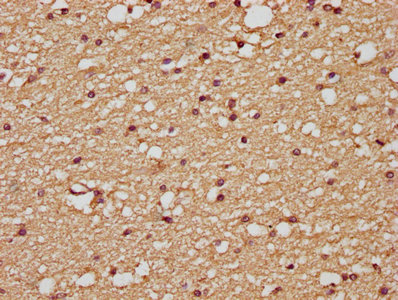
Product group Antibodies

PLAUR AntibodyCSB-PA07505A0RB
ApplicationsImmunoFluorescence, Western Blot, ELISA, ImmunoHistoChemistry
ReactivityHuman, Mouse
TargetPLAUR
- SizePrice

Product group Antibodies

Anti-uPA Receptor/PLAUR Antibody Picoband(r)A00993-1-CARRIER-FREE
ApplicationsWestern Blot
ReactivityHuman
TargetPLAUR
- SizePrice
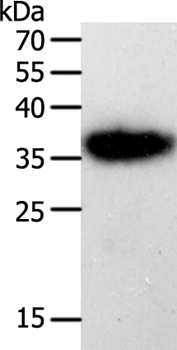
Product group Antibodies

Anti-PLAUR AntibodyA37827
ApplicationsWestern Blot, ImmunoHistoChemistry
ReactivityHuman
- SizePrice
Product group Antibodies

PLAUR / CD87 / uPAR AntibodyLS-C831520
ApplicationsImmunoHistoChemistry
ReactivityHuman, Mouse
TargetPLAUR
- SizePrice

Product group Antibodies

Anti-PLAUR AntibodyHPA050843
ApplicationsImmunoHistoChemistry
ReactivityHuman
TargetPLAUR
- SizePrice
Product group Antibodies

Goat anti-U-PAR / CD87EB12639
ApplicationsWestern Blot, ELISA
ReactivityHuman
TargetPLAUR
- SizePrice
Product group Antibodies

Plaur Polyclonal AntibodyCAC07382
ApplicationsImmunoFluorescence, Western Blot, ELISA, ImmunoHistoChemistry
ReactivityMouse
TargetPLAUR
- SizePrice
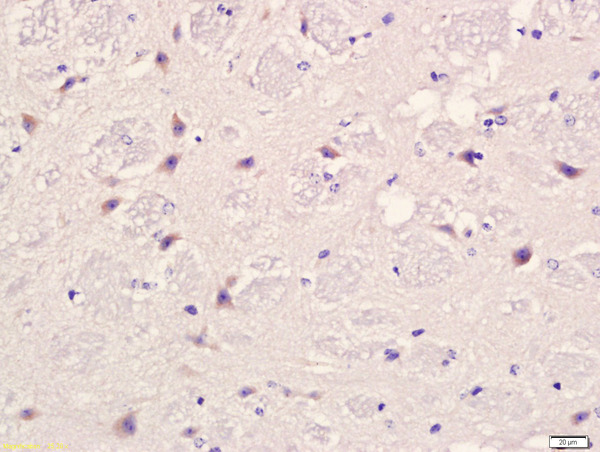
Product group Antibodies

PLAUR Polyclonal AntibodyBS-1927R
ApplicationsFlow Cytometry, ImmunoFluorescence, Western Blot, ELISA, ImmunoCytoChemistry
ReactivityBovine, Canine, Human, Mouse, Rat, Sheep
TargetPLAUR
- SizePrice
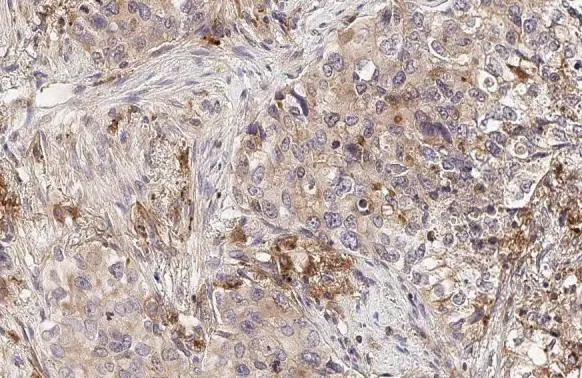
Product group Antibodies

uPAR antibodyGTX100467
ApplicationsImmunoFluorescence, Western Blot, ImmunoCytoChemistry, ImmunoHistoChemistry, ImmunoHistoChemistry Paraffin
ReactivityHuman
TargetPLAUR
- SizePrice