

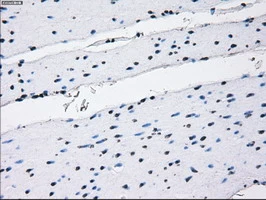
IHC-P analysis of human colon tissue using GTX83704 RNF144B antibody [9H10]. Antigen retrieval : Heat-induced epitope retrieval by 10mM citrate buffer, pH6.0, 100oC for 10min.
![WB analysis of HEK293T cells transfected with RNF144B plasmid (Right) or empty vector (Left) for 48 hrs using GTX83704 RNF144B antibody [9H10]. Loading : 5 ug per lane](https://www.genetex.com/upload/website/prouct_img/normal/GTX83704/GTX83704_3832_WB_w_23061420_416.webp "WB analysis of HEK293T cells transfected with RNF144B plasmid (Right) or empty vector (Left) for 48 hrs using GTX83704 RNF144B antibody [9H10]. Loading : 5 ug per lane")
![ICC/IF analysis of HeLa cells using GTX83704 RNF144B antibody [9H10].](https://www.genetex.com/upload/website/prouct_img/normal/GTX83704/GTX83704_781_ICCIF_w_23061420_525.webp "ICC/IF analysis of HeLa cells using GTX83704 RNF144B antibody [9H10].")
![IHC-P analysis of human kidney tissue using GTX83704 RNF144B antibody [9H10]. Antigen retrieval : Heat-induced epitope retrieval by 10mM citrate buffer, pH6.0, 100oC for 10min.](https://www.genetex.com/upload/website/prouct_img/normal/GTX83704/GTX83704_1744_IHC-P_w_23061420_286.webp "IHC-P analysis of human kidney tissue using GTX83704 RNF144B antibody [9H10]. Antigen retrieval : Heat-induced epitope retrieval by 10mM citrate buffer, pH6.0, 100oC for 10min.")
![IHC-P analysis of human endometrium tissue using GTX83704 RNF144B antibody [9H10]. Antigen retrieval : Heat-induced epitope retrieval by 10mM citrate buffer, pH6.0, 100oC for 10min.](https://www.genetex.com/upload/website/prouct_img/normal/GTX83704/GTX83704_1743_IHC-P_w_23061420_841.webp "IHC-P analysis of human endometrium tissue using GTX83704 RNF144B antibody [9H10]. Antigen retrieval : Heat-induced epitope retrieval by 10mM citrate buffer, pH6.0, 100oC for 10min.")
![FACS analysis of HEK293T cells transfected with either RNF144B plasmid(Red) or empty vector control plasmid(Blue) using GTX83704 RNF144B antibody [9H10].](https://www.genetex.com/upload/website/prouct_img/normal/GTX83704/GTX83704_131_FACS_w_23061420_151.webp "FACS analysis of HEK293T cells transfected with either RNF144B plasmid(Red) or empty vector control plasmid(Blue) using GTX83704 RNF144B antibody [9H10].")
![FACS analysis of HeLa cells using GTX83704 RNF144B antibody [9H10]. Red : Primary antibody Blue : Negative control antibody](https://www.genetex.com/upload/website/prouct_img/normal/GTX83704/GTX83704_129_FACS_w_23061420_449.webp "FACS analysis of HeLa cells using GTX83704 RNF144B antibody [9H10]. Red : Primary antibody Blue : Negative control antibody")
![FACS analysis of Jurkat cells using GTX83704 RNF144B antibody [9H10]. Red : Primary antibody Blue : Negative control antibody](https://www.genetex.com/upload/website/prouct_img/normal/GTX83704/GTX83704_130_FACS_w_23061420_573.webp "FACS analysis of Jurkat cells using GTX83704 RNF144B antibody [9H10]. Red : Primary antibody Blue : Negative control antibody")
![IHC-P analysis of human prostate tissue using GTX83704 RNF144B antibody [9H10]. Antigen retrieval : Heat-induced epitope retrieval by 10mM citrate buffer, pH6.0, 100oC for 10min.](https://www.genetex.com/upload/website/prouct_img/normal/GTX83704/GTX83704_1746_IHC-P_w_23061420_512.webp "IHC-P analysis of human prostate tissue using GTX83704 RNF144B antibody [9H10]. Antigen retrieval : Heat-induced epitope retrieval by 10mM citrate buffer, pH6.0, 100oC for 10min.")
![IHC-P analysis of human ovary tissue using GTX83704 RNF144B antibody [9H10]. Antigen retrieval : Heat-induced epitope retrieval by 10mM citrate buffer, pH6.0, 100oC for 10min.](https://www.genetex.com/upload/website/prouct_img/normal/GTX83704/GTX83704_1745_IHC-P_w_23061420_361.webp "IHC-P analysis of human ovary tissue using GTX83704 RNF144B antibody [9H10]. Antigen retrieval : Heat-induced epitope retrieval by 10mM citrate buffer, pH6.0, 100oC for 10min.")
IHC-P analysis of human colon tissue using GTX83704 RNF144B antibody [9H10]. Antigen retrieval : Heat-induced epitope retrieval by 10mM citrate buffer, pH6.0, 100oC for 10min.
RNF144B antibody [9H10]
GTX83704

ApplicationsFlow Cytometry, ImmunoFluorescence, Western Blot, ImmunoCytoChemistry, ImmunoHistoChemistry, ImmunoHistoChemistry Paraffin
Product group Antibodies
ReactivityHuman
TargetRNF144B
Overview
- SupplierGeneTex
- Product NameRNF144B antibody [9H10]
- Delivery Days Customer9
- Application Supplier NoteICC/IF: 1:50-1:100. IHC-P: 1:50. FACS: 1:100. *Optimal dilutions/concentrations should be determined by the researcher.Not tested in other applications.
- ApplicationsFlow Cytometry, ImmunoFluorescence, Western Blot, ImmunoCytoChemistry, ImmunoHistoChemistry, ImmunoHistoChemistry Paraffin
- CertificationResearch Use Only
- ClonalityMonoclonal
- Clone ID9H10
- Concentration0.8 mg/ml
- ConjugateUnconjugated
- Gene ID255488
- Target nameRNF144B
- Target descriptionring finger protein 144B
- Target synonymsIBRDC2, PIR2, bA528A10.3, p53RFP, E3 ubiquitin-protein ligase RNF144B, IBR domain containing 2, IBR domain-containing protein 2, p53-inducible RING finger protein
- HostMouse
- IsotypeIgG2b
- Protein IDQ7Z419
- Protein NameE3 ubiquitin-protein ligase RNF144B
- Scientific DescriptionE3 ubiquitin-protein ligase which accepts ubiquitin from E2 ubiquitin-conjugating enzymes UBE2L3 and UBE2L6 in the form of a thioester and then directly transfers the ubiquitin to targeted substrates such as LCMT2, thereby promoting their degradation. Induces apoptosis via a TP53/p53-dependent but caspase-independent mechanism. However, its overexpression also produces a decrease of the ubiquitin-dependent stability of BAX, a pro-apoptotic protein, ultimately leading to protection of cell death - But, it is not an anti-apoptotic protein per se.
- ReactivityHuman
- Storage Instruction-20°C or -80°C,2°C to 8°C
- UNSPSC12352203
Datasheet
Related products
Product group Antibodies

Anti-RNF144B (Center) Antibody102-23256
ApplicationsWestern Blot
TargetRNF144B
- SizePrice

Product group Antibodies

ApplicationsWestern Blot, ELISA
ReactivityHuman, Mouse
TargetRNF144B
- SizePrice
![FACS analysis of HEK293T cells transfected with either RNF144B plasmid(Red) or empty vector control plasmid(Blue) using GTX83705 RNF144B antibody [11F4].](https://www.genetex.com/upload/website/prouct_img/normal/GTX83705/GTX83705_134_FACS_w_23061420_136.webp)
Product group Antibodies
RNF144B antibody [11F4]GTX83705
ApplicationsFlow Cytometry, ImmunoFluorescence, Western Blot, ImmunoCytoChemistry
ReactivityHuman
TargetRNF144B
- SizePrice
Product group Antibodies

IBRDC2 Polyclonal AntibodyBS-7613R
ApplicationsImmunoFluorescence, ELISA, ImmunoCytoChemistry, ImmunoHistoChemistry, ImmunoHistoChemistry Frozen, ImmunoHistoChemistry Paraffin
ReactivityBovine, Canine, Chicken, Equine, Feline, Guinea Pig, Human, Mouse, Porcine, Rabbit, Rat, Sheep
TargetRNF144B
- SizePrice
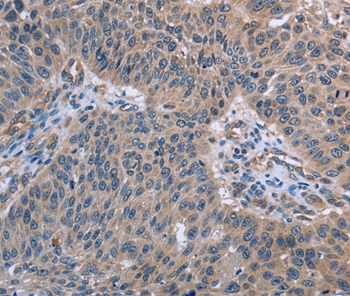
Product group Antibodies

Anti-RNF144B AntibodyA45137
ApplicationsImmunoHistoChemistry
ReactivityHuman
- SizePrice
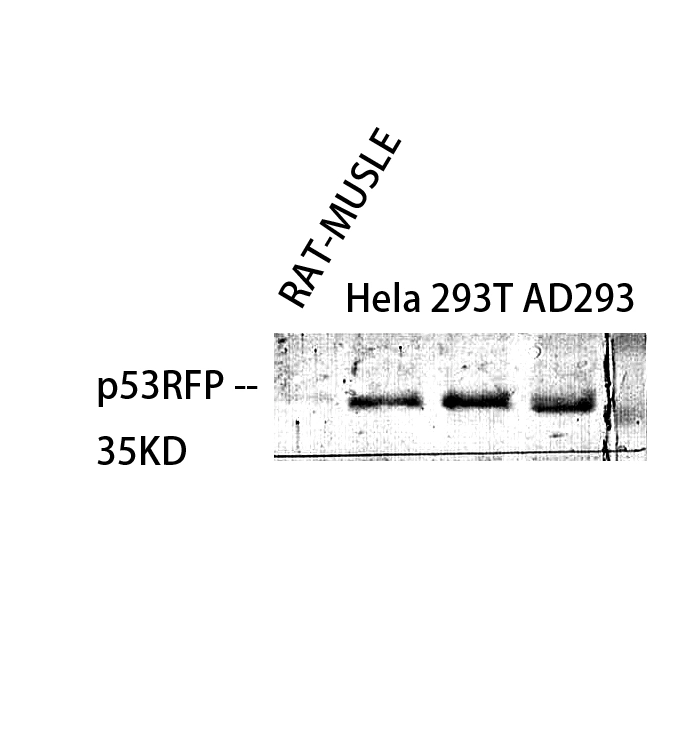
Product group Antibodies
RNF144B antibodyGTX34170
ApplicationsWestern Blot
ReactivityHuman
TargetRNF144B
- SizePrice
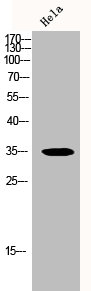
Product group Antibodies

RNF144B AntibodyCSB-PA003683
ApplicationsWestern Blot, ELISA
ReactivityHuman, Mouse
TargetRNF144B
- SizePrice
Product group Antibodies

RNF144B AntibodyLS-C405067
ApplicationsWestern Blot, ELISA, ImmunoHistoChemistry
ReactivityHuman, Mouse
TargetRNF144B
- SizePrice

Product group Antibodies

Anti-RNF144B AntibodyHPA054127
ApplicationsImmunoHistoChemistry
ReactivityHuman
TargetRNF144B
- SizePrice