

SIRT1 Antibody
ORB2635075

ApplicationsFlow Cytometry, ImmunoFluorescence, Western Blot, ELISA
Product group Antibodies
ReactivityHuman
TargetSIRT1
Overview
- SupplierBiorbyt
- Product NameSIRT1 Antibody
- Delivery Days Customer10
- Application Supplier NoteOptimal dilution of the SIRT1 antibody should be determined by the researcher.
- ApplicationsFlow Cytometry, ImmunoFluorescence, Western Blot, ELISA
- Applications SupplierELISA (order BSA-free format for coating),Flow cytometry: 1-2ug/million cells,Immunofluorescence: 1-2ug/ml,Western blot: 1-2ug/ml ELISA, FACS, IF, WB
- CertificationResearch Use Only
- ClonalityMonoclonal
- Clone IDPCRP-SIRT1-1E11
- ConjugateUnconjugated
- Gene ID23411
- Target nameSIRT1
- Target descriptionsirtuin 1
- Target synonymsSIR2, SIR2L1, SIR2alpha, NAD-dependent protein deacetylase sirtuin-1, NAD-dependent protein deacylase sirtuin-1, SIR2-like protein 1, regulatory protein SIR2 homolog 1, sirtuin type 1
- HostMouse
- IsotypeIgG1
- Protein IDQ96EB6
- Protein NameNAD-dependent protein deacetylase sirtuin-1
- Scientific DescriptionThe silent information regulator (SIR2) family of genes are highly conserved from prokaryotes to eukaryotes and are involved in diverse processes, including transcriptional regulation, cell cycle progression, DNA damage repair and aging. In S. cerevisiae, Sir2p deacetylates histones in an NAD-dependent manner, which regulates silencing at the telomeric, rDNA and silent matingtype loci. Sir2p is the founding member of a large family, designated sirtuins, which contain a conserved catalytic domain. The human homologs, which include SIRT1-7, are divided into four main branches: SIRT1-3 are class I, SIRT4 is class II, SIRT5 is class III and SIRT6-7 are class IV. SIRT1 has the closest homology to the yeast Sir2p and is widely expressed in fetal and adult tissues, with high expression in heart, brain and skeletal muscle and low expression in lung and placenta. SIRT1 regulates the p53-dependent DNA damage response pathway by binding to and deacetylating p53, specifically at Lysine 382.
- ReactivityHuman
- Storage Instruction-20°C,2°C to 8°C
- UNSPSC12352203
Related products
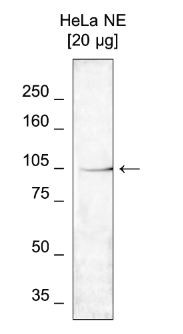
Product group Antibodies

ApplicationsWestern Blot
ReactivityHuman
- SizePrice
Product group Antibodies

Anti-SIRT1 Antibody144-11267
ApplicationsImmunoFluorescence, ImmunoPrecipitation, Western Blot, ImmunoHistoChemistry
ReactivityHuman, Mouse, Rat
TargetSIRT1
- SizePrice


Product group Antibodies

Anti-SIRT1 Antibody Picoband(r)A00018-1-CARRIER-FREE
ApplicationsImmunoFluorescence, Western Blot, ELISA, ImmunoCytoChemistry
ReactivityHuman
TargetSIRT1
- SizePrice


Product group Antibodies

ApplicationsImmunoPrecipitation, Western Blot, ImmunoCytoChemistry, ImmunoHistoChemistry
ReactivityMouse, Rat
TargetSIRT1
- SizePrice
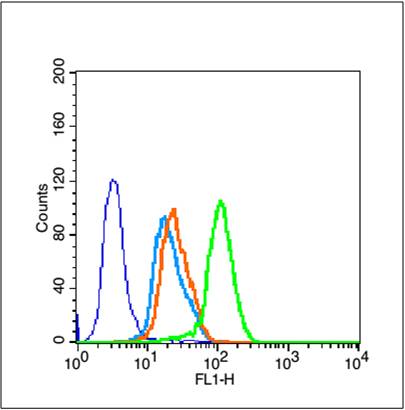
Product group Antibodies
References

SIRT1 Polyclonal AntibodyBS-0921R
ApplicationsFlow Cytometry, ImmunoFluorescence, Western Blot, ELISA, ImmunoCytoChemistry, ImmunoHistoChemistry, ImmunoHistoChemistry Frozen, ImmunoHistoChemistry Paraffin
ReactivityCanine, Equine, Human, Mouse, Porcine, Rabbit
TargetSIRT1
- SizePrice
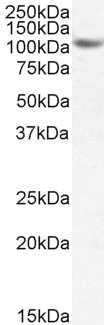
Product group Antibodies

Anti-SIRT1 AntibodyA84243
ApplicationsWestern Blot, ELISA
ReactivityHuman, Mouse
- SizePrice
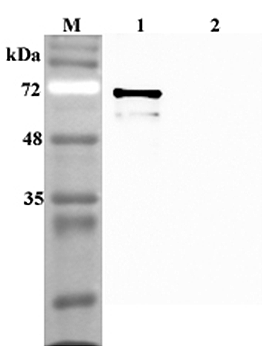
Product group Antibodies

anti-Sirtuin 1 (human), pAbAG-25A-0082
ApplicationsWestern Blot, ELISA
ReactivityHuman
TargetSIRT1
- SizePrice