

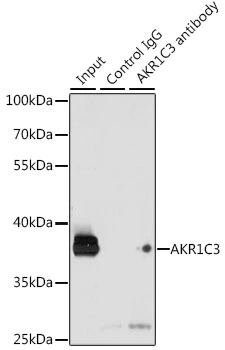
IP analysis of K-562 cell lysate using GTX55499 AKR1C3 antibody. Antibody amount : 3μg / 200μg lysate Dilution : 1:1000
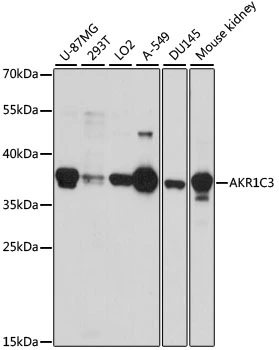
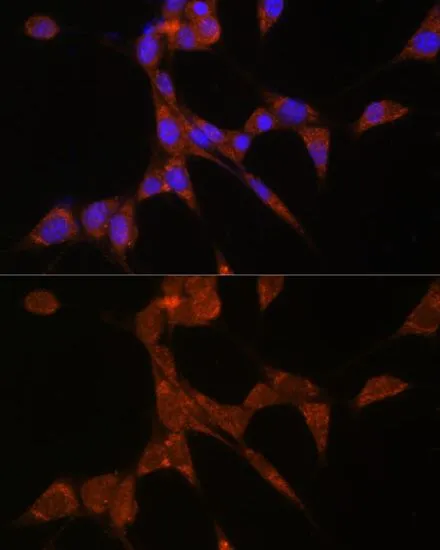
IP analysis of K-562 cell lysate using GTX55499 AKR1C3 antibody. Antibody amount : 3μg / 200μg lysate Dilution : 1:1000
AKR1C3 antibody
GTX55499

ApplicationsImmunoFluorescence, ImmunoPrecipitation, Western Blot, ImmunoCytoChemistry
Product group Antibodies
ReactivityHuman, Mouse
TargetAKR1C3
Overview
- SupplierGeneTex
- Product NameAKR1C3 antibody
- Delivery Days Customer9
- Application Supplier NoteWB: 1:500 - 1:2000. ICC/IF: 1:50 - 1:200. IP: 1:50 - 1:100. *Optimal dilutions/concentrations should be determined by the researcher.Not tested in other applications.
- ApplicationsImmunoFluorescence, ImmunoPrecipitation, Western Blot, ImmunoCytoChemistry
- CertificationResearch Use Only
- ClonalityPolyclonal
- ConjugateUnconjugated
- Gene ID8644
- Target nameAKR1C3
- Target descriptionaldo-keto reductase family 1 member C3
- Target synonymsDD3, DDX, HA1753, HAKRB, HAKRe, HSD17B5, PGFS, hluPGFS, aldo-keto reductase family 1 member C3, 3-alpha hydroxysteroid dehydrogenase, type II, 3-alpha-HSD type II, brain, chlordecone reductase homolog HAKRb, dihydrodiol dehydrogenase 3, dihydrodiol dehydrogenase X, indanol dehydrogenase, prostaglandin F synthase, testosterone 17-beta-dehydrogenase 5, trans-1,2-dihydrobenzene-1,2-diol dehydrogenase, type IIb 3-alpha hydroxysteroid dehydrogenase
- HostRabbit
- IsotypeIgG
- Protein IDP42330
- Protein NameAldo-keto reductase family 1 member C3
- Scientific DescriptionThis gene encodes a member of the aldo/keto reductase superfamily, which consists of more than 40 known enzymes and proteins. These enzymes catalyze the conversion of aldehydes and ketones to their corresponding alcohols by utilizing NADH and/or NADPH as cofactors. The enzymes display overlapping but distinct substrate specificity. This enzyme catalyzes the reduction of prostaglandin (PG) D2, PGH2 and phenanthrenequinone (PQ), and the oxidation of 9alpha,11beta-PGF2 to PGD2. It may play an important role in the pathogenesis of allergic diseases such as asthma, and may also have a role in controlling cell growth and/or differentiation. This gene shares high sequence identity with three other gene members and is clustered with those three genes at chromosome 10p15-p14. Three transcript variants encoding different isoforms have been found for this gene. [provided by RefSeq, Dec 2011]
- ReactivityHuman, Mouse
- Storage Instruction-20°C or -80°C,2°C to 8°C
- UNSPSC41116161
Datasheet
Related products

Product group Antibodies

AKR1C3 AntibodyCSB-PA001544ESR1HU
ApplicationsImmunoPrecipitation, Western Blot, ELISA, ImmunoHistoChemistry
ReactivityHuman
TargetAKR1C3
- SizePrice

Product group Antibodies

Anti-AKR1C3 Antibody Picoband(r)A01820-1-CARRIER-FREE
ApplicationsFlow Cytometry, Western Blot
ReactivityHuman
TargetAKR1C3
- SizePrice
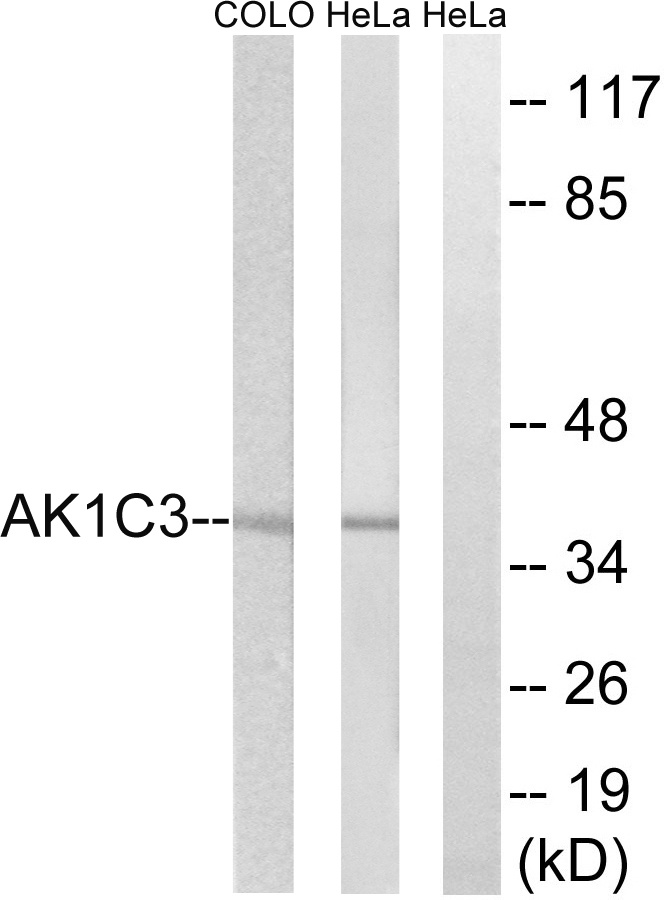
Product group Antibodies

Anti-AKR1C3 AntibodyA100616
ApplicationsWestern Blot, ELISA
ReactivityHuman
- SizePrice
Product group Antibodies

DDX / AKR1C3 AntibodyLS-C748613
ApplicationsImmunoFluorescence, Western Blot, ImmunoHistoChemistry
ReactivityHuman, Rat
TargetAKR1C3
- SizePrice
Product group Antibodies

Goat anti-AKR1C3EB06637
ApplicationsWestern Blot, ELISA, ImmunoHistoChemistry
ReactivityHuman
TargetAKR1C3
- SizePrice
Product group Antibodies

Akr1C3 Recombinant AntibodyCAC11975
ApplicationsFlow Cytometry, ImmunoFluorescence, ELISA
TargetAKR1C3
- SizePrice
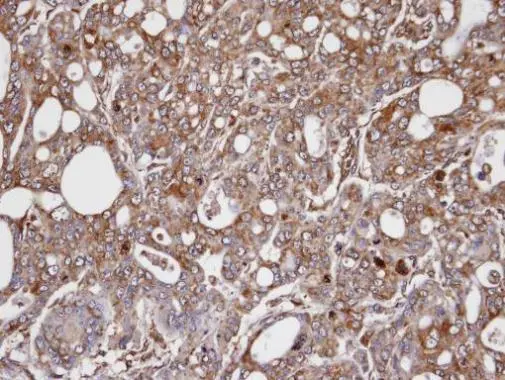
Product group Antibodies
AKR1C3 antibody [C2C3], C-termGTX104627
ApplicationsImmunoFluorescence, ImmunoPrecipitation, Western Blot, ImmunoCytoChemistry, ImmunoHistoChemistry, ImmunoHistoChemistry Paraffin
ReactivityHuman, Rat
TargetAKR1C3
- SizePrice
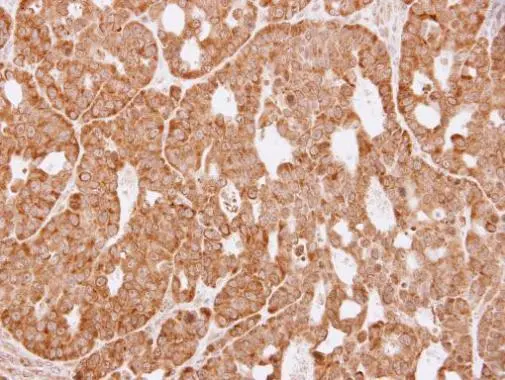
Product group Antibodies
AKR1C3 antibody [N1C1]GTX113586
ApplicationsWestern Blot, ImmunoHistoChemistry, ImmunoHistoChemistry Paraffin
ReactivityHuman
TargetAKR1C3
- SizePrice
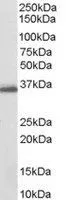
Product group Antibodies
AKR1C3 antibody, C-termGTX89620
ApplicationsWestern Blot
ReactivityHuman
TargetAKR1C3
- SizePrice