

Anti-Osteopontin Antibody
0806-8

ApplicationsWestern Blot, ImmunoHistoChemistry, ImmunoHistoChemistry Paraffin
Product group Antibodies
TargetSPP1
Overview
- SupplierHUABIO
- Product NameAnti-Osteopontin Antibody
- Delivery Days Customer7
- ApplicationsWestern Blot, ImmunoHistoChemistry, ImmunoHistoChemistry Paraffin
- Applications SupplierWB,IHC-P
- CertificationResearch Use Only
- ClonalityPolyclonal
- Concentration1 mg/ml
- ConjugateUnconjugated
- Gene ID6696
- Target nameSPP1
- Target descriptionsecreted phosphoprotein 1
- Target synonymsBNSP, BSPI, ETA-1, OPN, osteopontin, SPP1/CALPHA1 fusion, early T-lymphocyte activation 1, lnc-PKD2-2-3, nephropontin, osteopontin/immunoglobulin alpha 1 heavy chain constant region fusion protein, secreted phosphoprotein 1 (osteopontin, bone sialoprotein I, early T-lymphocyte activation 1), urinary stone protein, uropontin
- HostRabbit
- IsotypeIgG
- Protein IDP10451
- Protein NameOsteopontin
- Scientific DescriptionOsteopontin (OPN), also known as bone sialoprotein I (BSP-1 or BNSP), early T-lymphocyte activation (ETA-1), secreted phosphoprotein 1 (SPP1), 2ar and Rickettsia resistance (Ric),[5] is a protein that in humans is encoded by the SPP1 gene (secreted phosphoprotein 1). The murine ortholog is Spp1. Osteopontin is a SIBLING (glycoprotein) that was first identified in 1986 in osteoblasts. The prefix osteo- indicates that the protein is expressed in bone, although it is also expressed in other tissues. The suffix -pontin is derived from pons, the Latin word for bridge, and signifies osteopontins role as a linking protein. Osteopontin is an extracellular structural protein and therefore an organic component of bone. Synonyms for this protein include sialoprotein I and 44K BPP (bone phosphoprotein). The gene has 7 exons, spans 5 kilobases in length and in humans it is located on the long arm of chromosome 4 region 22 (4q1322.1). The protein is composed of ~300 amino acids residues and has ~30 carbohydrate residues attached, including 10 sialic acid residues, which are attached to the protein during post-translational modification in the Golgi apparatus. The protein is rich in acidic residues: 30-36% are either aspartic or glutamic acid.
- Reactivity SupplierHuman
- Reactivity Supplier NoteZebrafish
- Storage Instruction-20°C,2°C to 8°C
- UNSPSC41116161
Datasheet
Related products
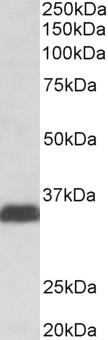
Product group Antibodies

ApplicationsWestern Blot, ELISA
ReactivityHuman
- SizePrice
Product group Antibodies

ApplicationsWestern Blot, ELISA
ReactivityHuman
TargetSPP1
- SizePrice
Product group Antibodies

Anti-Mouse SPP1 Antibody144-01361
ApplicationsWestern Blot
ReactivityHuman, Mouse
TargetSPP1
- SizePrice

Product group Antibodies

Anti-SPP1 AntibodyAMAB91653
ApplicationsImmunoHistoChemistry
ReactivityHuman
TargetSPP1
- SizePrice
Product group Antibodies

Anti-osteopontin [hu1A12]AB00750-1.1-BT
ApplicationsELISA, ImmunoHistoChemistry, Neutralisation/Blocking, Other Application
ReactivityHuman
TargetSPP1
- SizePrice
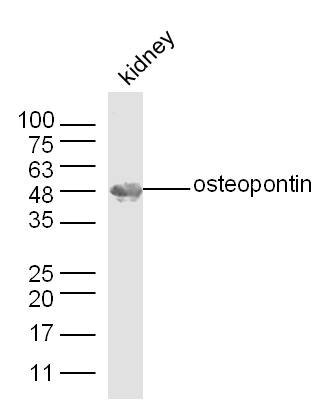
Product group Antibodies
References

Osteopontin Polyclonal AntibodyBS-0019R
ApplicationsImmunoFluorescence, Western Blot, ELISA, ImmunoCytoChemistry, ImmunoHistoChemistry, ImmunoHistoChemistry Frozen, ImmunoHistoChemistry Paraffin
ReactivityHuman, Rat
TargetSPP1
- SizePrice
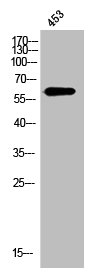
Product group Antibodies

SPP1 AntibodyCSB-PA003599
ApplicationsWestern Blot, ELISA, ImmunoHistoChemistry
ReactivityHuman, Mouse, Rat
TargetSPP1
- SizePrice
Product group Antibodies

Goat anti-Osteopontin / SPP1EB06825
ApplicationsWestern Blot, ELISA
ReactivityCanine, Human, Mouse, Rat
TargetSPP1
- SizePrice
Product group Antibodies

Spp1 Polyclonal AntibodyCAC09089
ApplicationsELISA, ImmunoHistoChemistry
TargetSPP1
- SizePrice
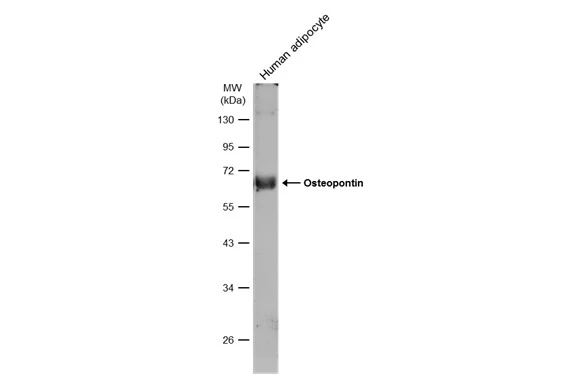
Product group Antibodies

Osteopontin antibodyGTX132742
ApplicationsWestern Blot
ReactivityHuman
TargetSPP1
- SizePrice