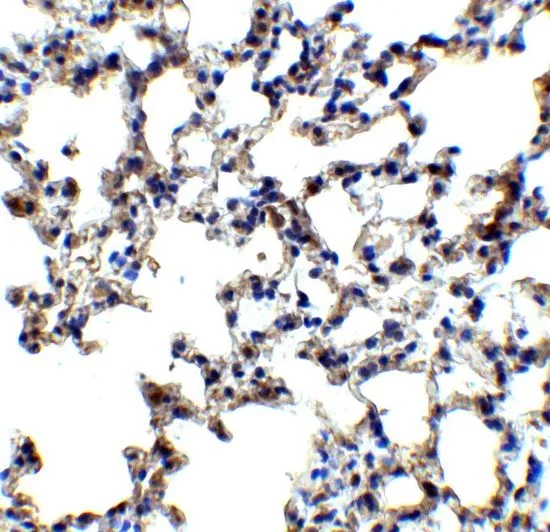
IHC-P analysis of mouse lung tissue using GTX31822 Axin 2 antibody. Working concentration : 5 μg/ml
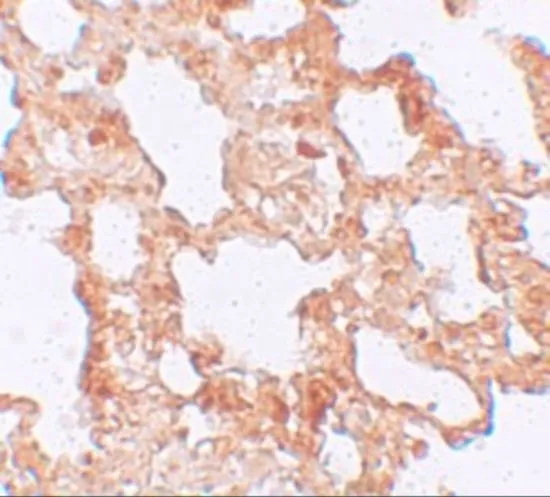
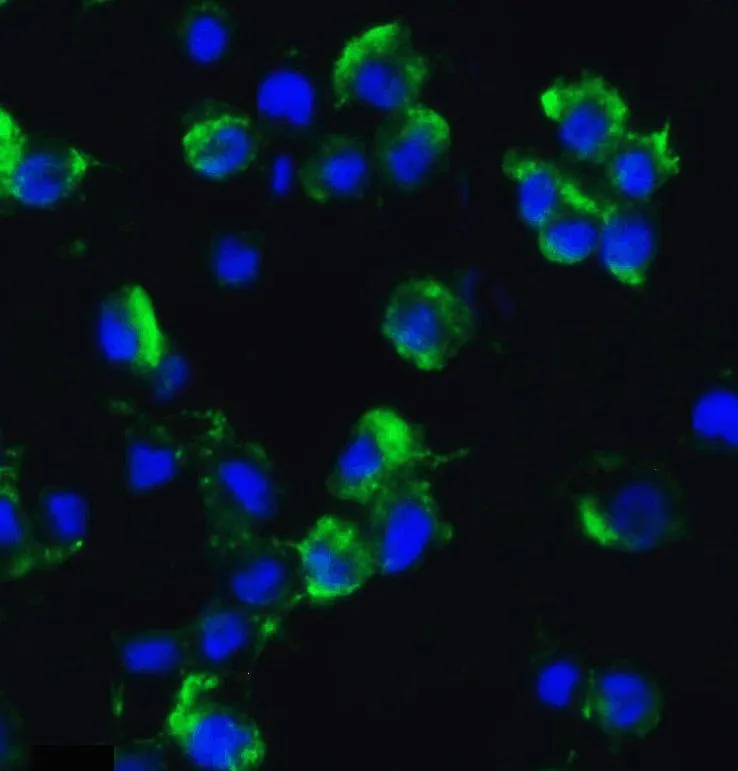
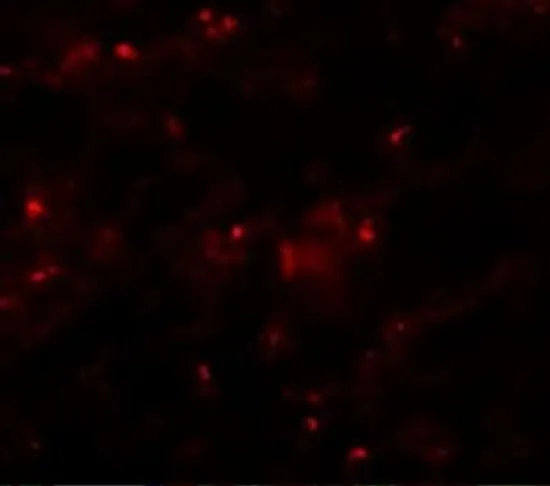
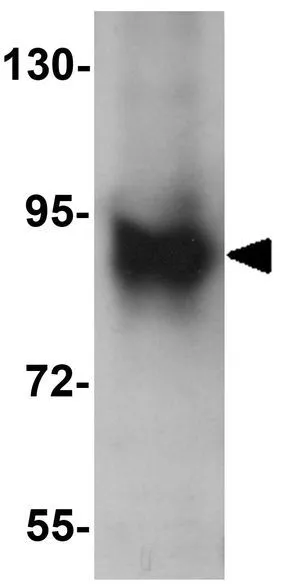
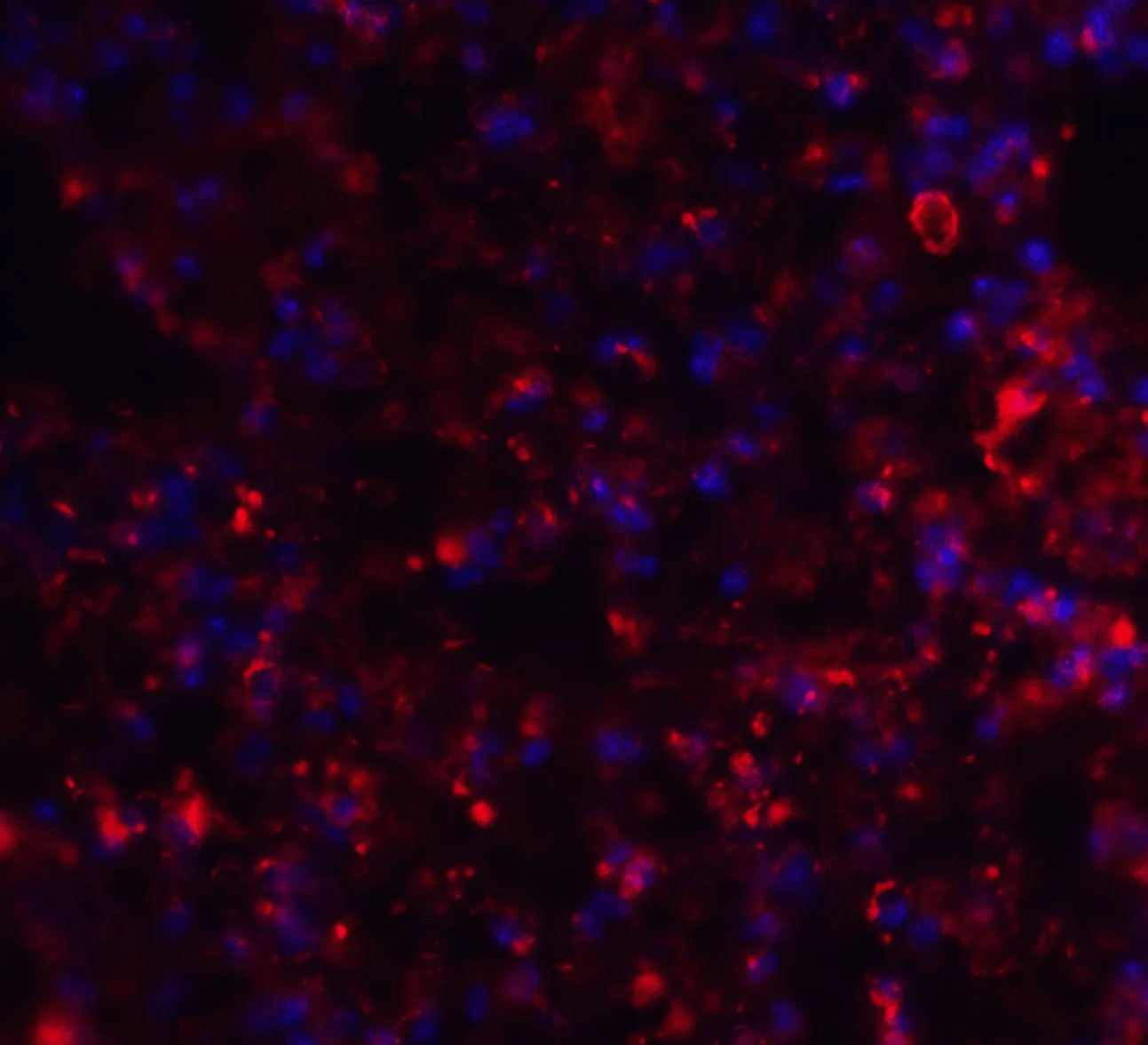
IHC-P analysis of mouse lung tissue using GTX31822 Axin 2 antibody. Working concentration : 5 μg/ml
Axin 2 antibody
GTX31822

ApplicationsImmunoFluorescence, Western Blot, ELISA, ImmunoCytoChemistry, ImmunoHistoChemistry, ImmunoHistoChemistry Paraffin
Product group Antibodies
ReactivityHuman, Mouse, Rat
TargetAXIN2
Overview
- SupplierGeneTex
- Product NameAxin 2 antibody
- Delivery Days Customer9
- Application Supplier NoteWB: 1 microg/mL. IHC-P: 5 microg/mL. *Optimal dilutions/concentrations should be determined by the researcher.Not tested in other applications.
- ApplicationsImmunoFluorescence, Western Blot, ELISA, ImmunoCytoChemistry, ImmunoHistoChemistry, ImmunoHistoChemistry Paraffin
- CertificationResearch Use Only
- ClonalityPolyclonal
- Concentration1 mg/ml
- ConjugateUnconjugated
- Gene ID8313
- Target nameAXIN2
- Target descriptionaxin 2
- Target synonymsAXIL, ODCRCS, axin-2, axin-like protein, axis inhibition protein 2, conductin
- HostRabbit
- IsotypeIgG
- Protein IDQ9Y2T1
- Protein NameAxin-2
- Scientific DescriptionThe Axin-related protein, Axin2, presumably plays an important role in the regulation of the stability of beta-catenin in the Wnt signaling pathway, like its rodent homologs, mouse conductin/rat axil. In mouse, conductin organizes a multiprotein complex of APC (adenomatous polyposis of the colon), beta-catenin, glycogen synthase kinase 3-beta, and conductin, which leads to the degradation of beta-catenin. Apparently, the deregulation of beta-catenin is an important event in the genesis of a number of malignancies. The AXIN2 gene has been mapped to 17q23-q24, a region that shows frequent loss of heterozygosity in breast cancer, neuroblastoma, and other tumors. Mutations in this gene have been associated with colorectal cancer with defective mismatch repair. [provided by RefSeq, Jul 2008]
- ReactivityHuman, Mouse, Rat
- Storage Instruction-20°C or -80°C,2°C to 8°C
- UNSPSC41116161
References
- A novel alveolar epithelial cell sheet fabricated under feeder-free conditions for potential use in pulmonary regenerative therapy. Mitsuboshi S et al., 2022 Mar, Regen TherRead this paper
Datasheet
Related products
Product group Antibodies

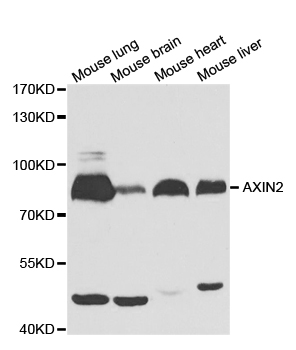
Anti-AXIN2 AntibodyA35250
ApplicationsImmunoFluorescence, Western Blot, ImmunoHistoChemistry
ReactivityHuman, Mouse, Rat
- SizePrice

Product group Antibodies

Anti-Axin 2/AXIN2 Antibody Picoband(r)A01772-2-CARRIER-FREE
ApplicationsFlow Cytometry, Western Blot, ELISA, ImmunoHistoChemistry
ReactivityHuman
TargetAXIN2
- SizePrice
Product group Antibodies

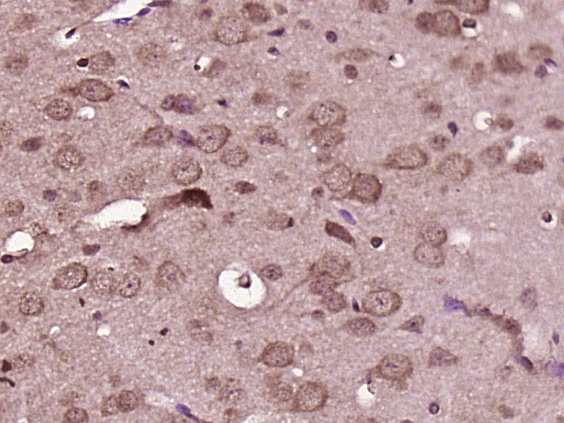
Axin 2 Polyclonal AntibodyBS-5717R
ApplicationsImmunoFluorescence, Western Blot, ELISA, ImmunoCytoChemistry, ImmunoHistoChemistry, ImmunoHistoChemistry Frozen, ImmunoHistoChemistry Paraffin
ReactivityCanine, Equine, Human, Mouse, Rat
TargetAXIN2
- SizePrice
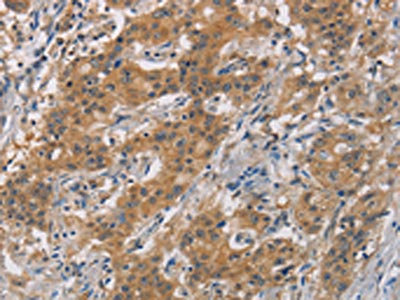
Product group Antibodies

AXIN2 AntibodyCSB-PA577711
ApplicationsWestern Blot, ELISA, ImmunoHistoChemistry
ReactivityHuman, Mouse, Rat
TargetAXIN2
- SizePrice
Product group Antibodies

ApplicationsImmunoPrecipitation, Western Blot, ImmunoCytoChemistry, ImmunoHistoChemistry
ReactivityMouse, Rat
TargetAXIN2
- SizePrice
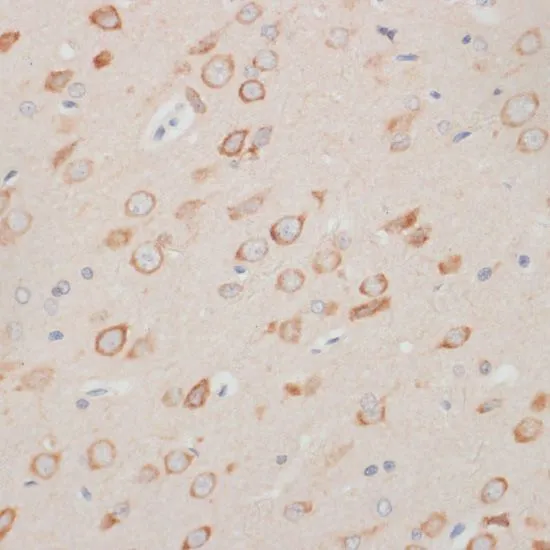
Product group Antibodies
Axin 2 antibodyGTX30080
ApplicationsWestern Blot, ImmunoHistoChemistry, ImmunoHistoChemistry Paraffin
ReactivityHuman, Mouse, Rat
TargetAXIN2
- SizePrice
Product group Antibodies

AXIN2 / Axin 2 AntibodyLS-C332132
ApplicationsWestern Blot, ImmunoHistoChemistry
ReactivityHuman, Mouse
TargetAXIN2
- SizePrice
![axin 2 antibody [N2C2], Internal detects axin 2 protein at cytoplasm in rat brain by immunohistochemical analysis. Sample: Paraffin-embedded rat brain. axin 2 antibody [N2C2], Internal (GTX105442) diluted at 1:500.
Antigen Retrieval: Citrate buffer, pH 6.0, 15 min](https://www.genetex.com/upload/website/prouct_img/normal/GTX105442/GTX105442_41066_20160809_IHC-P_R_w_23060120_910.webp)
Product group Antibodies
Axin 2 antibody [N2C2], InternalGTX105442
ApplicationsWestern Blot, ImmunoHistoChemistry, ImmunoHistoChemistry Paraffin
ReactivityHuman, Mouse, Rat
TargetAXIN2
- SizePrice