

CD63 Antibody / LAMP-3
ORB750162

ReactivityHuman
Product group Antibodies
TargetCD63
Overview
- SupplierBiorbyt
- Product NameCD63 Antibody / LAMP-3
- Delivery Days Customer10
- Application Supplier NoteTitering of the CD63 antibody may be required for optimal performance.1. 2. The prediluted format is supplied in a dropper bottle and is optimized for use in IHC. After epitope retrieval step (if required), drip mAb solution onto the tissue section and incubate at RT for 30 min.
- Applications SupplierFlow cytometry: 0.5-1ug/million cells in 0.1ml,Immunohistochemistry (FFPE): 1-2ug/ml for 30 min at RT (1),Prediluted IHC only format: incubate for 30 min at RT (2) FACS, IHC-P
- CertificationResearch Use Only
- ClonalityMonoclonal
- Clone IDCDLA63-1
- ConjugateUnconjugated
- Gene ID967
- Target nameCD63
- Target descriptionCD63 molecule
- Target synonymsAD1, HOP-26, ME491, MLA1, OMA81H, Pltgp40, TSPAN30, CD63 antigen, AD1 antigen, CD63 antigen (melanoma 1 antigen), granulophysin, limp1, melanoma-associated antigen ME491, melanoma-associated antigen MLA1, ocular melanoma-associated antigen, tetraspanin-30, tspan-30
- HostMouse
- IsotypeIgG2a
- Protein IDP08962
- Protein NameCD63 antigen
- Scientific DescriptionCD63 functions as cell surface receptor for TIMP1 and plays a role in the activation of cellular signaling cascades. Plays a role in the activation of ITGB1 and integrin signaling, leading to the activation of AKT, FAK/PTK2 and MAP kinases. Promotes cell survival, reorganization of the actin cytoskeleton, cell adhesion, spreading and migration, via its role in the activation of AKT and FAK/PTK2. Plays a role in VEGFA signaling via its role in regulating the internalization of KDR/VEGFR2. Plays a role in intracellular vesicular transport processes, and is required for normal trafficking of the PMEL luminal domain that is essential for the development and maturation of melanocytes. Plays a role in the adhesion of leukocytes onto endothelial cells via its role in the regulation of SELP trafficking. May play a role in mast cell degranulation in response to Ms4a2/FceRI stimulation, but not in mast cell degranulation in response to other stimuli. [UniProt]
- ReactivityHuman
- Storage Instruction-20°C,2°C to 8°C
- UNSPSC12352203
Related products
Product group Antibodies

Anti-CD63 [MOF11]Ab00388-1.1
ApplicationsFlow Cytometry
ReactivityHuman
TargetCD63
- SizePrice


Product group Antibodies

ApplicationsFlow Cytometry
TargetCD63
- SizePrice
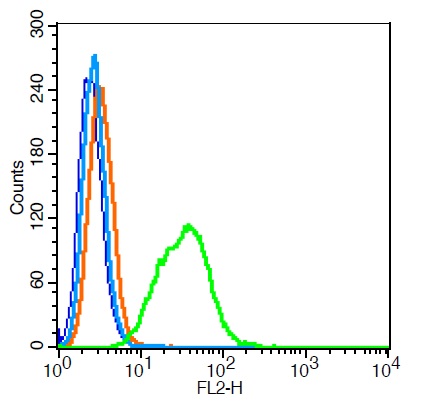
Product group Antibodies
References

CD63 Polyclonal AntibodyBS-1523R
ApplicationsFlow Cytometry, ImmunoFluorescence, Western Blot, ELISA, ImmunoCytoChemistry, ImmunoHistoChemistry, ImmunoHistoChemistry Frozen, ImmunoHistoChemistry Paraffin
ReactivityHuman
TargetCD63
- SizePrice
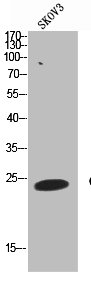
Product group Antibodies

CD63 AntibodyCSB-PA006039
ApplicationsWestern Blot, ELISA
ReactivityHuman
TargetCD63
- SizePrice
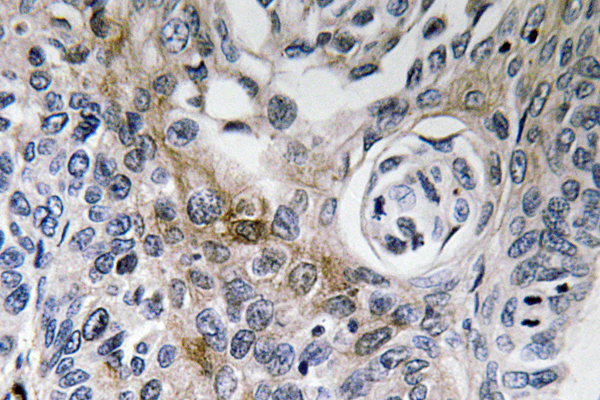
Product group Antibodies

Anti-CD63 AntibodyA101276
ApplicationsELISA, ImmunoHistoChemistry
ReactivityHuman
- SizePrice


Product group Antibodies

Anti-CD63 AntibodyHPA010088
ApplicationsImmunoHistoChemistry
ReactivityHuman
TargetCD63
- SizePrice
Product group Antibodies

ApplicationsImmunoFluorescence, ELISA, ImmunoHistoChemistry, ImmunoHistoChemistry Frozen, ImmunoHistoChemistry Paraffin
ReactivityHuman
TargetCD63
- SizePrice