

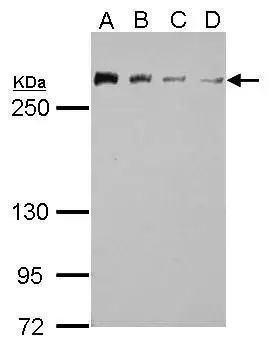
Sample (30 μg of whole cell lysate) A: 293T B: A431 C: HeLa D: HepG2 5% SDS PAGE GTX124186 diluted at 1:1000 The HRP-conjugated anti-rabbit IgG antibody (GTX213110-01) was used to detect the primary antibody.
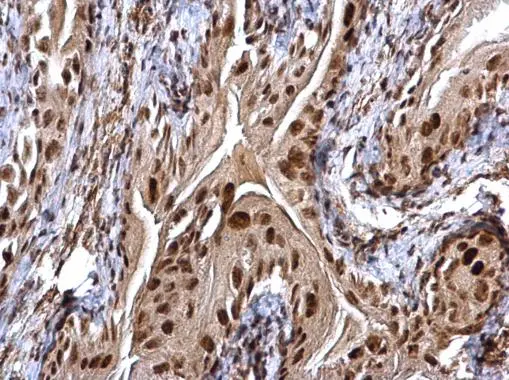
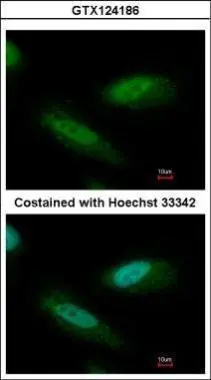
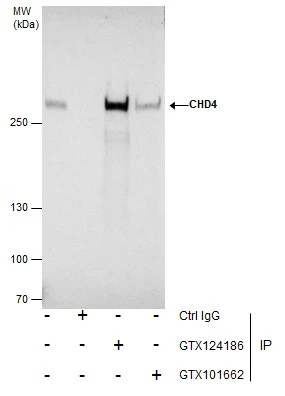
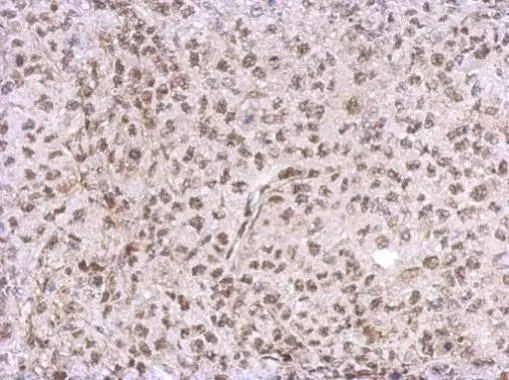
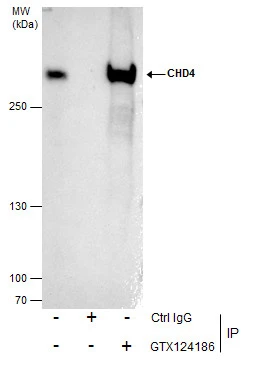
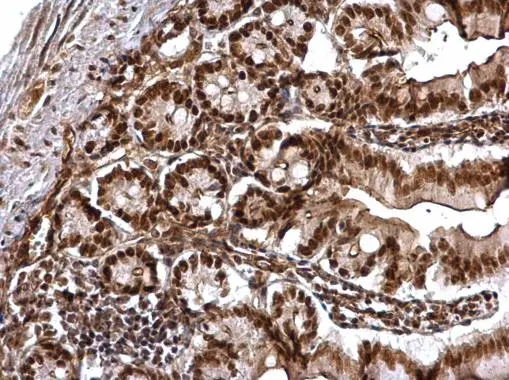
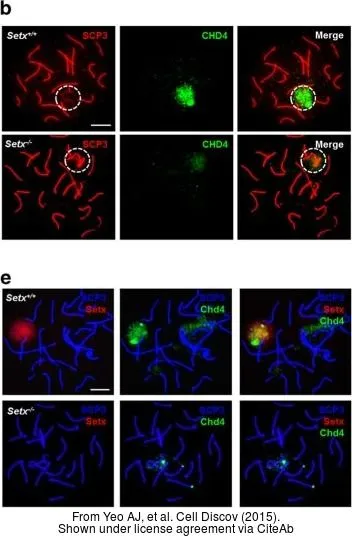
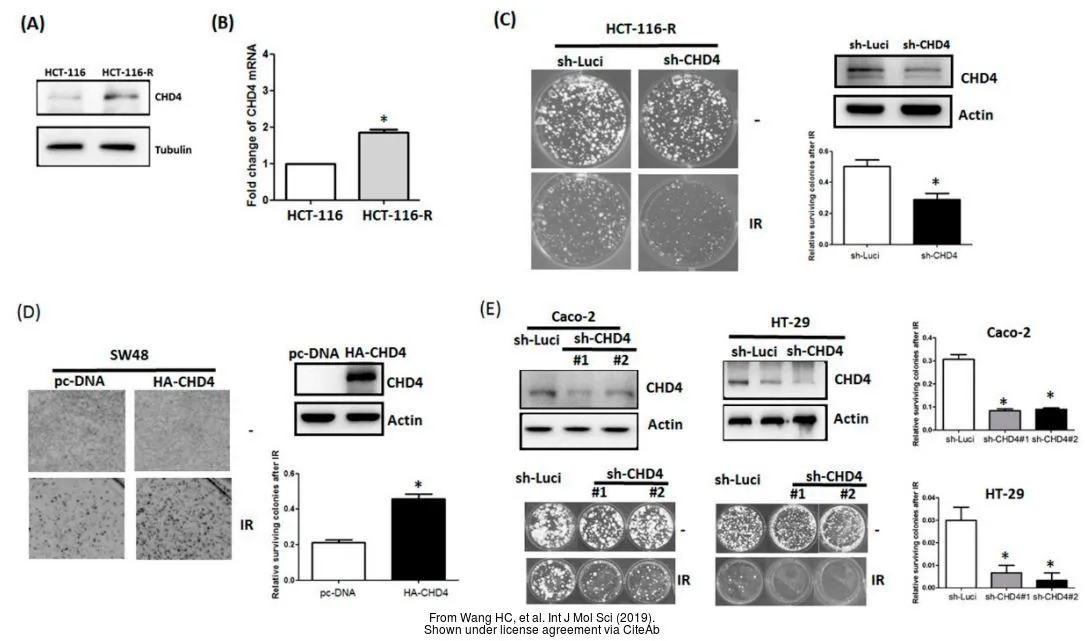
Sample (30 μg of whole cell lysate) A: 293T B: A431 C: HeLa D: HepG2 5% SDS PAGE GTX124186 diluted at 1:1000 The HRP-conjugated anti-rabbit IgG antibody (GTX213110-01) was used to detect the primary antibody.
CHD4 antibody
GTX124186

ApplicationsImmunoFluorescence, ImmunoPrecipitation, Western Blot, ImmunoCytoChemistry, ImmunoHistoChemistry, ImmunoHistoChemistry Paraffin
Product group Antibodies
ReactivityHuman, Mouse
TargetCHD4
Overview
- SupplierGeneTex
- Product NameCHD4 antibody
- Delivery Days Customer9
- Application Supplier NoteWB: 1:500-1:3000. ICC/IF: 1:100-1:1000. IHC-P: 1:100-1:1000. IP: 1:100-1:500. *Optimal dilutions/concentrations should be determined by the researcher.Not tested in other applications.
- ApplicationsImmunoFluorescence, ImmunoPrecipitation, Western Blot, ImmunoCytoChemistry, ImmunoHistoChemistry, ImmunoHistoChemistry Paraffin
- CertificationResearch Use Only
- ClonalityPolyclonal
- Concentration1 mg/ml
- ConjugateUnconjugated
- Gene ID1108
- Target nameCHD4
- Target descriptionchromodomain helicase DNA binding protein 4
- Target synonymsCHD-4, Mi-2b, Mi2-BETA, SIHIWES, chromodomain-helicase-DNA-binding protein 4, ATP-dependent helicase CHD4, Mi-2 autoantigen 218 kDa protein
- HostRabbit
- IsotypeIgG
- Protein IDQ14839
- Protein NameChromodomain-helicase-DNA-binding protein 4
- Scientific DescriptionThe product of this gene belongs to the SNF2/RAD54 helicase family. It represents the main component of the nucleosome remodeling and deacetylase complex and plays an important role in epigenetic transcriptional repression. Patients with dermatomyositis develop antibodies against this protein. [provided by RefSeq]
- ReactivityHuman, Mouse
- Storage Instruction-20°C or -80°C,2°C to 8°C
- UNSPSC41116161
Datasheet
Related products
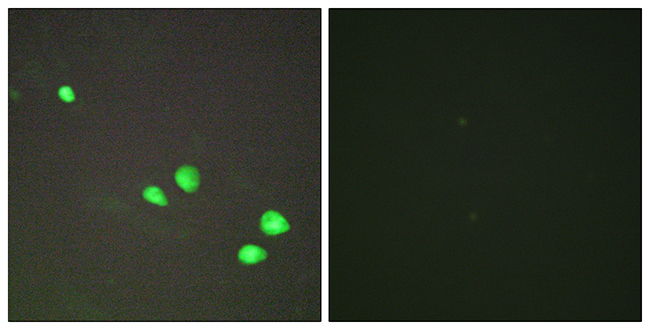
Product group Antibodies

Anti-CHD4 AntibodyA98218
ApplicationsImmunoFluorescence, ELISA, ImmunoHistoChemistry
ReactivityHuman, Mouse
- SizePrice
Product group Antibodies

Anti-CHD4 [RAB-C211 ]Ab03246-1.1
ApplicationsImmunoFluorescence, ELISA
ReactivityHuman
TargetCHD4
- SizePrice

Product group Antibodies

Anti-CHD4 Antibody Picoband(r)A01125-3-CARRIER-FREE
ApplicationsFlow Cytometry, Western Blot
ReactivityHuman
TargetCHD4
- SizePrice
Product group Antibodies

Anti-CHD4 Antibody144-11574
ApplicationsWestern Blot
ReactivityHuman
TargetCHD4
- SizePrice
Product group Antibodies

CHD4 AntibodyLS-C747008
ApplicationsWestern Blot
ReactivityHuman
TargetCHD4
- SizePrice
Product group Antibodies

CHD4 Recombinant Antibody, AbBy Fluor-594 ConjugatedBSM-61493R-BF594
ApplicationsFlow Cytometry, Western Blot
ReactivityHuman
TargetCHD4
- SizePrice
Product group Antibodies

CHD4 AntibodyCSB-PA006765
ApplicationsImmunoFluorescence, ELISA, ImmunoHistoChemistry
ReactivityHuman, Mouse
TargetCHD4
- SizePrice
![CHD4 antibody detects CHD4 protein at nucleus by immunofluorescent analysis. Sample: HeLa cells were fixed in 4% paraformaldehyde at RT for 15 min. Green: CHD4 stained by CHD4 antibody (GTX101662) diluted at 1:500. Red: alpha Tubulin, a cytoskeleton marker, stained by alpha Tubulin antibody [GT114] (GTX628802) diluted at 1:1000. Blue: Fluoroshield with DAPI (GTX30920).](https://www.genetex.com/upload/website/prouct_img/normal/GTX101662/GTX101662_44622_20220624_ICC_IF_22062919_735.webp)
Product group Antibodies
CHD4 antibodyGTX101662
ApplicationsImmunoFluorescence, ImmunoPrecipitation, Western Blot, ImmunoCytoChemistry, ImmunoHistoChemistry, ImmunoHistoChemistry Paraffin
ReactivityHuman, Mouse, Rat
TargetCHD4
- SizePrice
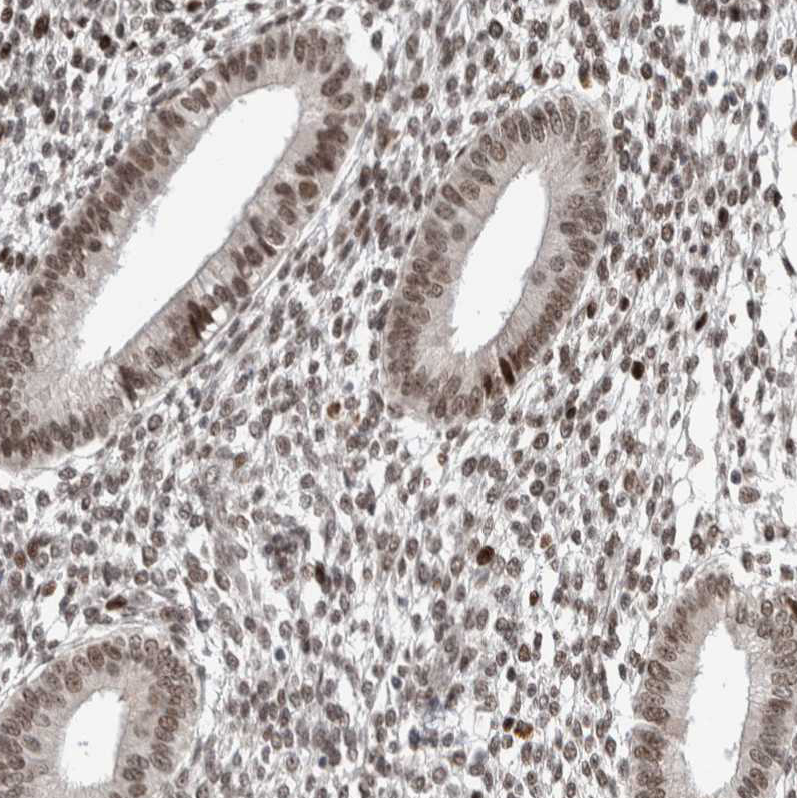
Product group Antibodies

Anti-CHD4 AntibodyHPA012008
ApplicationsChIP Chromatin ImmunoPrecipitation, ImmunoCytoChemistry, ImmunoHistoChemistry
ReactivityHuman
TargetCHD4
- SizePrice
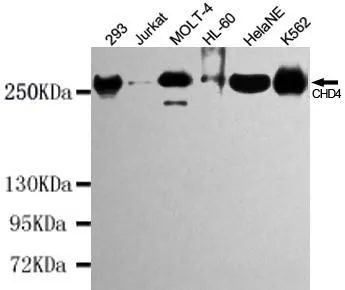
Product group Antibodies
CHD4 antibody [5F1-A11-C9]GTX49139
ApplicationsWestern Blot
ReactivityHuman
TargetCHD4
- SizePrice