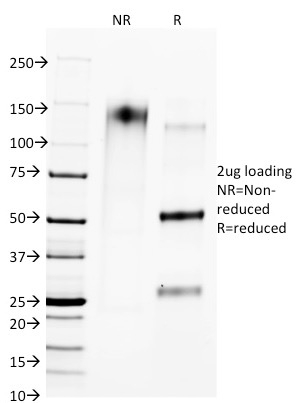
CTLA4 / CD152 (Negative Regulator of T-Cells)(L4P2F5.F10), CF405S conjugate, 0.1mg/mL [26628-22-8]
BNC041696

ReactivityBovine, Human, Mouse, Rat
Product group Antibodies
TargetCTLA4
Overview
- SupplierBiotium
- Product NameCTLA4 / CD152 (Negative Regulator of T-Cells)(L4P2F5.F10), CF405S conjugate, 0.1mg/mL [26628-22-8]
- Delivery Days Customer9
- CAS Number26628-22-8
- CertificationResearch Use Only
- ClonalityMonoclonal
- Clone IDL4P2F5.F10
- Concentration0.1 mg/ml
- ConjugateOther Conjugate
- Gene ID1493
- Target nameCTLA4
- Target descriptioncytotoxic T-lymphocyte associated protein 4
- Target synonymsALPS5, CD, CD152, CELIAC3, CTLA-4, GRD4, GSE, IDDM12, cytotoxic T-lymphocyte protein 4, celiac disease 3, cytotoxic T lymphocyte associated antigen 4 short spliced form, cytotoxic T-lymphocyte-associated serine esterase-4, gluten-sensitive enteropathy, insulin-dependent diabetes mellitus 12, ligand and transmembrane spliced cytotoxic T lymphocyte associated antigen 4
- HostMouse
- IsotypeIgG1
- Protein IDP16410
- Protein NameCytotoxic T-lymphocyte protein 4
- Scientific DescriptionCTLA4 (CD152) is a cell surface receptor that behaves as a negative regulator of the proliferation and the effector function of T cells. It contains a V domain, a transmembrane domain, and a cytoplasmic tail. Alternate transcriptional splice variants, encoding different isoforms, have been characterized. The membrane-bound isoform functions as a homodimer interconnected by a disulfide bond, while the soluble isoform functions as a monomer. Mutations in this gene have been associated with insulin-dependent diabetes mellitus, Graves disease, Hashimoto thyroiditis, celiac disease, systemic lupus erythematosus, thyroid-associated orbitopathy, and other autoimmune diseases. The novel finding that CTLA-4 molecule is expressed and functional on human tumor cells opens up the possibility of antitumor therapeutic intervention based on targeting this molecule. Primary antibodies are available purified, or with a selection of fluorescent CF® Dyes and other labels. CF® Dyes offer exceptional brightness and photostability. Note: Conjugates of blue fluorescent dyes like CF®405S and CF®405M are not recommended for detecting low abundance targets, because blue dyes have lower fluorescence and can give higher non-specific background than other dye colors.
- SourceAnimal
- ReactivityBovine, Human, Mouse, Rat
- Storage Instruction2°C to 8°C,RT
- UNSPSC41116161
MSDS
Related products
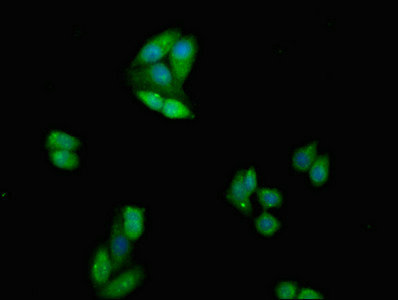
Product group Antibodies

CTLA4 AntibodyCSB-PA006163LA01HU
ApplicationsImmunoFluorescence, ELISA
ReactivityHuman
TargetCTLA4
- SizePrice

Product group Antibodies

Anti-CTLA4 AntibodyA00020-2-CARRIER-FREE
ApplicationsELISA, ImmunoHistoChemistry
ReactivityHuman
TargetCTLA4
- SizePrice
Product group Antibodies

Anti-CTLA-4 [CP-675,206 (Tremelimumab, 11.2.1)]Ab02327-10.0
ApplicationsFlow Cytometry, ELISA, Neutralisation/Blocking
ReactivityHuman, Monkey
TargetCTLA4
- SizePrice
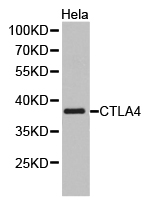
Product group Antibodies

Anti-CTLA4 AntibodyA30128
ApplicationsWestern Blot, ImmunoHistoChemistry
ReactivityHuman
- SizePrice
Product group Antibodies

CTLA4 / CD152 AntibodyLS-C485694
ApplicationsELISA
ReactivityHuman
TargetCTLA4
- SizePrice
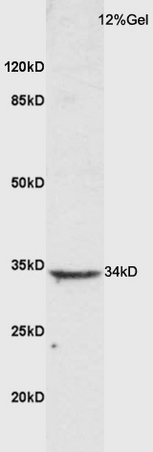
Product group Antibodies
References

CTLA4 Polyclonal AntibodyBS-10006R
ApplicationsFlow Cytometry, ImmunoFluorescence, Western Blot, ELISA, ImmunoHistoChemistry, ImmunoHistoChemistry Paraffin
ReactivityBovine, Canine, Human, Mouse, Rabbit, Rat, Sheep
TargetCTLA4
- SizePrice

Product group Antibodies

CTLA4 antibody [BNI3] (PE-Cy7)GTX00492-10
ApplicationsFlow Cytometry
ReactivityHuman
TargetCTLA4
- SizePrice
Product group Antibodies

ApplicationsNeutralisation/Blocking
TargetCTLA4
- SizePrice