

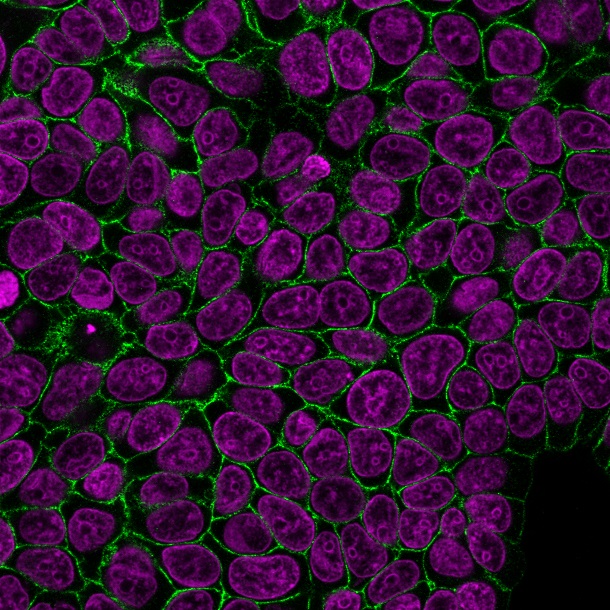
![Ep-CAM / CD326(HEA125), 0.2mg/mL [26628-22-8]](https://biotium.com/wp-content/uploads/2017/07/BNUB0825-ihc.jpg "Ep-CAM / CD326(HEA125), 0.2mg/mL [26628-22-8]")
![Ep-CAM / CD326(HEA125), 0.2mg/mL [26628-22-8]](https://biotium.com/wp-content/uploads/2017/07/Ep-CAM-HEA125-GAMCF640R-MCF7.jpg "Ep-CAM / CD326(HEA125), 0.2mg/mL [26628-22-8]")
![Ep-CAM / CD326(HEA125), 0.2mg/mL [26628-22-8]](https://biotium.com/wp-content/uploads/2017/07/Ep-CAM-HEA125-CF568-exosomes.jpg "Ep-CAM / CD326(HEA125), 0.2mg/mL [26628-22-8]")
Ep-CAM / CD326(HEA125), 0.2mg/mL [26628-22-8]
BNUB0825

ApplicationsFlow Cytometry, ImmunoFluorescence, ImmunoPrecipitation, ImmunoHistoChemistry, ImmunoHistoChemistry Frozen, ImmunoHistoChemistry Paraffin, RadioImmunoAssay
Product group Antibodies
ReactivityBovine, Human, Mouse
TargetEPCAM
Overview
- SupplierBiotium
- Product NameEp-CAM / CD326(HEA125), 0.2mg/mL [26628-22-8]
- Delivery Days Customer9
- ApplicationsFlow Cytometry, ImmunoFluorescence, ImmunoPrecipitation, ImmunoHistoChemistry, ImmunoHistoChemistry Frozen, ImmunoHistoChemistry Paraffin, RadioImmunoAssay
- CAS Number26628-22-8
- CertificationResearch Use Only
- ClonalityMonoclonal
- Clone IDHEA125
- Concentration0.2 mg/ml
- Gene ID4072
- Target nameEPCAM
- Target descriptionepithelial cell adhesion molecule
- Target synonymsBer-Ep4, BerEp4, DIAR5, EGP-2, EGP314, EGP40, ESA, HNPCC8, KS1/4, KSA, LYNCH8, M4S1, MIC18, MK-1, MOC-31, TACSTD1, TROP1, epithelial cell adhesion molecule, adenocarcinoma-associated antigen, cell surface glycoprotein Trop-1, epithelial glycoprotein 314, human epithelial glycoprotein-2, major gastrointestinal tumor-associated protein GA733-2, membrane component, chromosome 4, surface marker (35kD glycoprotein), trophoblast cell surface antigen 1, tumor-associated calcium signal transducer 1
- HostMouse
- IsotypeIgG2b
- Protein IDP16422
- Protein NameEpithelial cell adhesion molecule
- Scientific DescriptionNote: All CF® Dye and biotin conjugates of this antibody have been discontinued. The antibody is still available unlabeled, with or without BSA. This antibody recognizes a 40-43 kDa transmembrane epithelial glycoprotein, identified as epithelial specific antigen (ESA), or epithelial cellular adhesion molecule (Ep-CAM). It is expressed on baso-lateral cell surface in most simple epithelia and a vast majority of carcinomas with the exception of adult squamous epithelium, hepatocytes and gastric epithelial cells. Antibody to Ep-CAM has been used to distinguish adenocarcinoma from pleural mesothelioma and hepatocellular carcinoma. It is also useful in distinguishing serous carcinomas of the ovary from mesothelioma. It has been reported that this epithelial antigen plays an important role as a tumor-cell marker in lymph nodes from patients with esophageal carcinoma otherwise classified as node-negative. Primary antibodies are available purified, or with a selection of fluorescent CF® Dyes and other labels. CF® Dyes offer exceptional brightness and photostability. Note: Conjugates of blue fluorescent dyes like CF®405S and CF®405M are not recommended for detecting low abundance targets, because blue dyes have lower fluorescence and can give higher non-specific background than other dye colors.
- SourceAnimal
- ReactivityBovine, Human, Mouse
- Storage Instruction2°C to 8°C,RT
- UNSPSC41116161
MSDS
Related products
Product group Antibodies

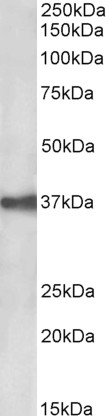
Anti-EpCAM AntibodyA85204
ApplicationsWestern Blot, ELISA
ReactivityHuman
- SizePrice
Product group Antibodies

Anti-EpCAM [AUA1]Ab00609-1.1
ApplicationsFlow Cytometry, ImmunoFluorescence, ELISA, ImmunoHistoChemistry
ReactivityHuman
TargetEPCAM
- SizePrice

Product group Antibodies

Anti-EPCAM Antibody144-01177
ApplicationsWestern Blot, ImmunoHistoChemistry
ReactivityHuman, Mouse
TargetEPCAM
- SizePrice

Product group Antibodies

Anti-EPCAM AntibodyAMAB91411
ApplicationsWestern Blot, ImmunoHistoChemistry
ReactivityHuman
TargetEPCAM
- SizePrice
Product group Antibodies

EPCAM Antibody (clone G8.8, PE)LS-C810981
ApplicationsFlow Cytometry
ReactivityMouse
TargetEPCAM
- SizePrice
Product group Antibodies
References

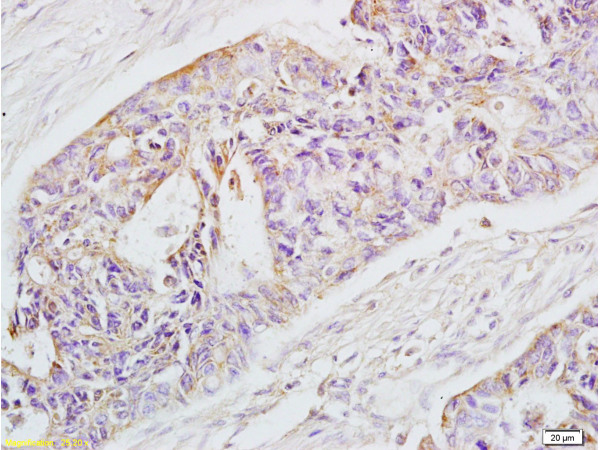
EpCAM Polyclonal AntibodyBS-1513R
ApplicationsFlow Cytometry, ImmunoFluorescence, Western Blot, ELISA, ImmunoCytoChemistry, ImmunoHistoChemistry, ImmunoHistoChemistry Frozen, ImmunoHistoChemistry Paraffin
ReactivityHuman, Mouse, Rat
TargetEPCAM
- SizePrice
Product group Antibodies

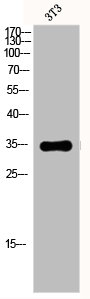
EPCAM AntibodyCSB-PA002357
ApplicationsImmunoFluorescence, Western Blot, ELISA
ReactivityHuman
TargetEPCAM
- SizePrice
Product group Antibodies

ApplicationsWestern Blot, ELISA
ReactivityHuman
TargetEPCAM
- SizePrice
Product group Antibodies

Epcam Polyclonal AntibodyCAC11319
ApplicationsImmunoFluorescence, Western Blot, ELISA, ImmunoHistoChemistry
ReactivityRat
TargetEPCAM
- SizePrice