

Immunohistochemistry of paraffin-embedded Human liver cancer tissue using CD159a/c Polyclonal Antibody at dilution 1:30
Immunohistochemistry of paraffin-embedded Human liver cancer tissue using CD159a/c Polyclonal Antibody at dilution 1:30
CD159a/c Polyclonal Antibody
E-AB-14248

ApplicationsImmunoHistoChemistry
Product group Antibodies
TargetKLRC1
Overview
- SupplierElabscience
- Product NameCD159a/c Polyclonal Antibody
- Delivery Days Customer12
- ApplicationsImmunoHistoChemistry
- Applications SupplierELISA IHC
- CertificationResearch Use Only
- ClonalityPolyclonal
- Concentration0.3 mg/ml
- ConjugateUnconjugated
- Gene ID3821
- Target nameKLRC1
- Target descriptionkiller cell lectin like receptor C1
- Target synonymsCD159A, NKG2, NKG2A, NKG2-A/NKG2-B type II integral membrane protein, C-lectin type II protein, CD159 antigen-like family member A, NK cell receptor A, NKG2-1/B activating NK receptor, NKG2-A/B type II integral membrane protein, NKG2-A/B-activating NK receptor, killer cell lectin-like receptor subfamily C, member 1, natural killer cell lectin, natural killer group protein 2
- HostRabbit
- IsotypeIgG
- Protein IDP26715
- Protein NameNKG2-A/NKG2-B type II integral membrane protein
- Scientific DescriptionNatural killer (NK) cells are lymphocytes that can mediate lysis of certain tumor cells and virus-infected cells without previous activation. They can also regulate specific humoral and cell-mediated immunity. The protein encoded by this gene belongs to the killer cell lectin-like receptor family, also called NKG2 family, which is a group of transmembrane proteins preferentially expressed in NK cells. This family of proteins is characterized by the type II membrane orientation and the presence of a C-type lectin domain. This protein forms a complex with another family member, KLRD1/CD94, and has been implicated in the recognition of the MHC class I HLA-E molecules in NK cells.
- Storage Instruction-20°C
- UNSPSC41116161
MSDS
Related products
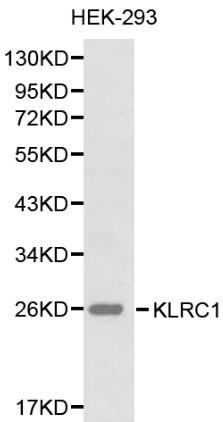
Product group Antibodies

ApplicationsWestern Blot, ImmunoHistoChemistry
ReactivityHuman
- SizePrice
Product group Antibodies

Anti-NKG2A [Z199]AB02978-23.0-BT
ApplicationsFlow Cytometry, Neutralisation/Blocking, Other Application
ReactivityHuman
TargetKLRC1
- SizePrice
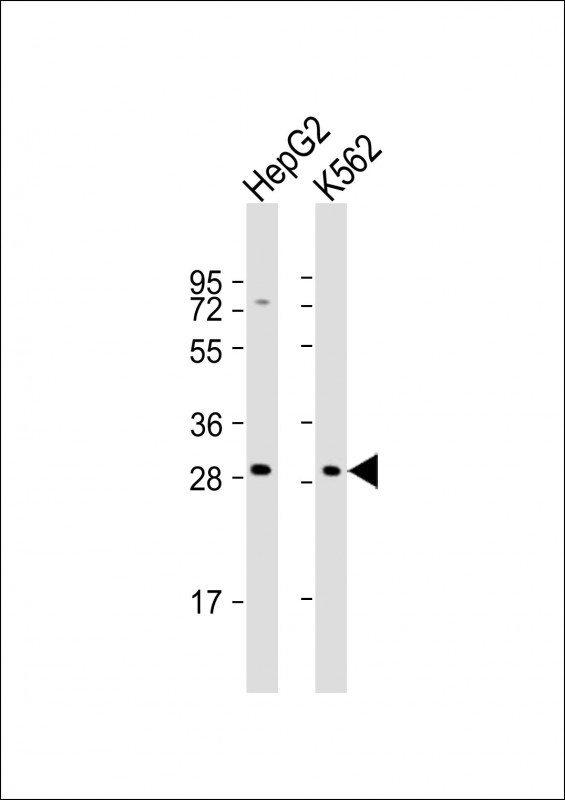
Product group Antibodies

Anti-KLRC1 Antibody (C-term)A04175-2
ApplicationsFlow Cytometry, ImmunoFluorescence, Western Blot, ImmunoHistoChemistry, ImmunoHistoChemistry Paraffin
ReactivityHuman
TargetKLRC1
- SizePrice
Product group Antibodies

Anti-Mouse KLRC1 Antibody144-01233
ApplicationsWestern Blot
ReactivityHuman, Mouse
TargetKLRC1
- SizePrice
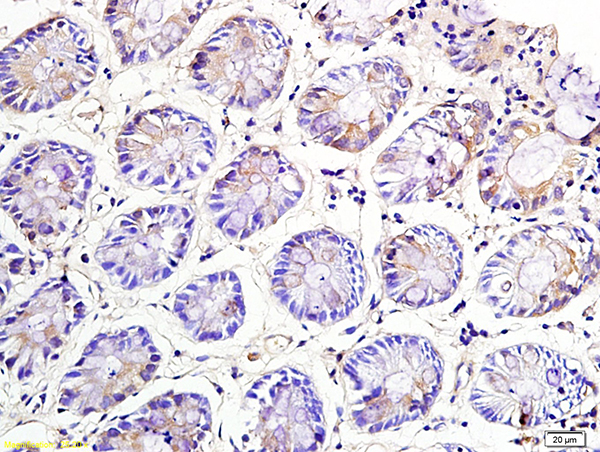
Product group Antibodies
References

NKG2A Polyclonal AntibodyBS-2411R
ApplicationsImmunoFluorescence, ELISA, ImmunoCytoChemistry, ImmunoHistoChemistry, ImmunoHistoChemistry Frozen, ImmunoHistoChemistry Paraffin
ReactivityMouse, Rat
TargetKLRC1
- SizePrice
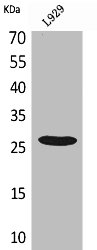
Product group Antibodies

KLRC1 AntibodyCSB-PA005326
ApplicationsWestern Blot, ELISA
ReactivityHuman
TargetKLRC1
- SizePrice
Product group Antibodies

KLRC1 / NKG2A / CD159a AntibodyLS-C404171
ApplicationsELISA, ImmunoHistoChemistry
ReactivityHuman
TargetKLRC1
- SizePrice
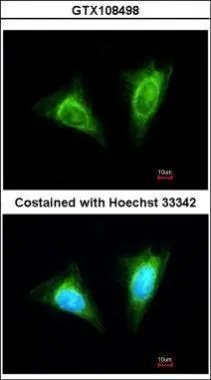
Product group Antibodies

NKG2A antibody [N1N2], N-termGTX108498
ApplicationsImmunoFluorescence, Western Blot, ImmunoCytoChemistry, ImmunoHistoChemistry, ImmunoHistoChemistry Paraffin
ReactivityHuman
TargetKLRC1
- SizePrice