

Anti-LGI1 Antibody
ER1901-57

ApplicationsImmunoFluorescence, Western Blot, ImmunoHistoChemistry, ImmunoHistoChemistry Paraffin
Product group Antibodies
ReactivityHuman, Rat
TargetLGI1
Overview
- SupplierHUABIO
- Product NameAnti-LGI1 Antibody
- Delivery Days Customer7
- ApplicationsImmunoFluorescence, Western Blot, ImmunoHistoChemistry, ImmunoHistoChemistry Paraffin
- Applications SupplierWB,IF-Cell,IHC-P
- CertificationResearch Use Only
- ClonalityPolyclonal
- Concentration1 mg/ml
- ConjugateUnconjugated
- Gene ID9211
- Target nameLGI1
- Target descriptionleucine rich glioma inactivated 1
- Target synonymsADLTE, ADPAEF, ADPEAF, EPITEMPIN, EPT, ETL1, IB1099, leucine-rich glioma-inactivated protein 1, epitempin-1
- HostRabbit
- IsotypeIgG
- Protein IDO95970
- Protein NameLeucine-rich glioma-inactivated protein 1
- Scientific DescriptionLeucine-rich, glioma inactivated 1, also known as LGI1, is a protein which in humans is encoded by the LGI1 gene. It may be a metastasis suppressor. The leucine-rich glioma inactivated -1 gene is rearranged as a result of translocations in glioblastoma cell lines. The protein contains a hydrophobic segment representing a putative transmembrane domain with the amino terminus located outside the cell. It also contains leucine-rich repeats with conserved cysteine-rich flanking sequences. This gene is predominantly expressed in neural tissues and its expression is reduced in low grade brain tumors and significantly reduced or absent in malignant gliomas. Since its earliest discovery, the LGI1 gene has been implicated in the control of cancer metastasis and in a predisposition to epilepsy. Following genetic linkage studies placing the hereditary form of autosomal dominant partial epilepsy with auditory features (ADPEAF) on chromosome region 10q24 mutation analysis of affected members in these families demonstrated LGI1 was a major cause of the disease.
- ReactivityHuman, Rat
- Reactivity SupplierHuman,Rat
- Storage Instruction-20°C,2°C to 8°C
- UNSPSC41116161
Datasheet
Related products

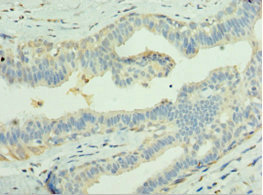
Product group Antibodies

LGI1 AntibodyCSB-PA012898ESR2HU
ApplicationsELISA, ImmunoHistoChemistry
ReactivityHuman
TargetLGI1
- SizePrice

Product group Antibodies

Anti-Lgi1/EPT/LGI1 Antibody Picoband(r)A00850-1-CARRIER-FREE
ApplicationsFlow Cytometry, Western Blot, ELISA
ReactivityHuman, Mouse, Rat
TargetLGI1
- SizePrice
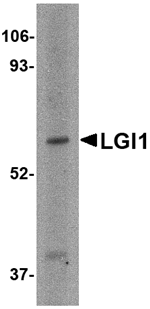
Product group Antibodies

Anti-LGI1 AntibodyA48397
ApplicationsWestern Blot, ELISA, ImmunoHistoChemistry
ReactivityHuman, Mouse, Rat
- SizePrice

Product group Antibodies

LGI1 Antibody (aa35-285)LS-C376024
ApplicationsELISA, ImmunoHistoChemistry, ImmunoHistoChemistry Paraffin
ReactivityHuman
TargetLGI1
- SizePrice
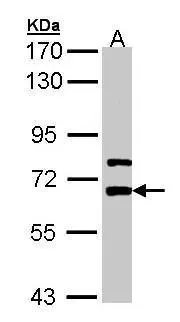
Product group Antibodies

LGI1 antibody [N2C2], InternalGTX105700
ApplicationsImmunoFluorescence, Western Blot, ImmunoCytoChemistry
ReactivityHuman, Rat
TargetLGI1
- SizePrice
Product group Antibodies

ApplicationsFlow Cytometry, Western Blot, ImmunoCytoChemistry
ReactivityHuman
TargetLGI1
- SizePrice
Product group Antibodies

Anti-LGI1 Antibody144-61416
ApplicationsWestern Blot, ImmunoHistoChemistry
ReactivityHuman, Mouse, Rat
TargetLGI1
- SizePrice