

anti-mTOR antibody
ARG54675

ApplicationsImmunoFluorescence, Western Blot, ELISA, ImmunoCytoChemistry
Product group Antibodies
TargetMTOR
Overview
- SupplierArigo Biolaboratories
- Product Nameanti-mTOR antibody
- Delivery Days Customer23
- ApplicationsImmunoFluorescence, Western Blot, ELISA, ImmunoCytoChemistry
- CertificationResearch Use Only
- ClonalityPolyclonal
- Concentration1 mg/ml
- ConjugateUnconjugated
- Gene ID2475
- Target nameMTOR
- Target descriptionmechanistic target of rapamycin kinase
- Target synonymsFRAP, FRAP1, FRAP2, RAFT1, RAPT1, SKS, serine/threonine-protein kinase mTOR, FK506 binding protein 12-rapamycin associated protein 2, FK506-binding protein 12-rapamycin complex-associated protein 1, FKBP-rapamycin associated protein, FKBP12-rapamycin complex-associated protein 1, mammalian target of rapamycin, mechanistic target of rapamycin (serine/threonine kinase), rapamycin and FKBP12 target 1, rapamycin associated protein FRAP2, rapamycin target protein 1, tyrosine-protein kinase mTOR
- HostRabbit
- IsotypeIgG
- Scientific DescriptionTOR Antibody: The mammalian Target of Rapamycin (TOR, also known as mTOR) is an evolutionarily conserved serine/threonine kinase that regulates cell growth and cell cycle through its ability to integrate signals from nutrient levels and growth factors. It was initially discovered as a kinase whose ability to stimulate T cell proliferation in response to IL-2 could be inhibited by the immunosuppressive drug rapamycin. Rapamycin inhibits TOR in other cell types resulting in reduced cell growth and reduced rates of cell cycle and cell proliferation. TOR is normally associated with the regulatory proteins RAPTOR and GbetaL. Its downstream targets are thought to be the ribosomal protein S6 kinases and the eukaryotic initiation factor 4E binding proteins (4EBPs). Regulation of these protein families allows TOR to control protein biosynthesis.
- Storage Instruction-20°C
- UNSPSC12352203
Related products


Product group Antibodies

Anti-MTOR AntibodyAMAB91508
ApplicationsWestern Blot
ReactivityHuman
TargetMTOR
- SizePrice
Product group Antibodies

Anti-P-mTor Antibody130-10612
ApplicationsELISA
ReactivityHuman
TargetMTOR
- SizePrice
Product group Antibodies

ReactivityHuman
TargetMTOR
- SizePrice
Product group Antibodies

ApplicationsImmunoPrecipitation, Western Blot, ImmunoCytoChemistry, ImmunoHistoChemistry
ReactivityPorcine
TargetMTOR
- SizePrice
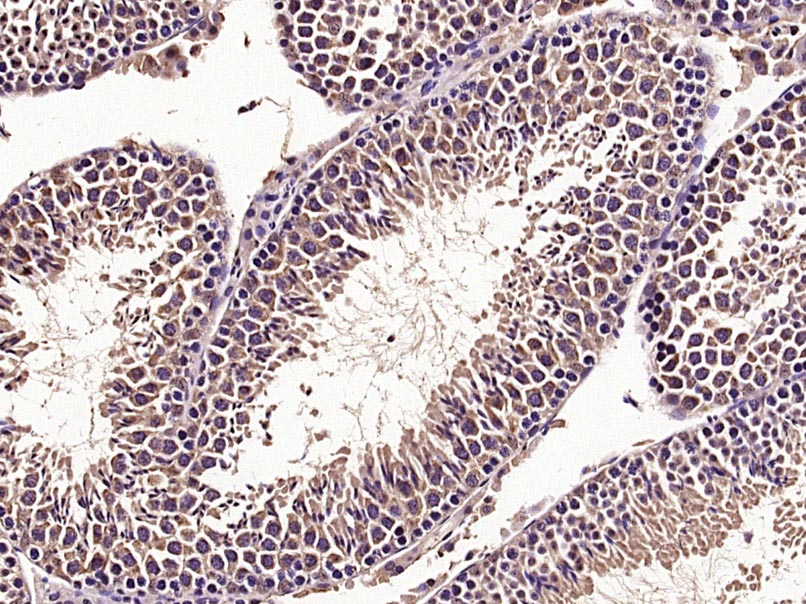
Product group Antibodies
References

MTOR Polyclonal AntibodyBS-1992R
ApplicationsFlow Cytometry, ImmunoFluorescence, Western Blot, ELISA, ImmunoCytoChemistry, ImmunoHistoChemistry, ImmunoHistoChemistry Frozen, ImmunoHistoChemistry Paraffin
ReactivityBovine, Canine, Chicken, Equine, Goat, Human, Mouse, Rabbit, Rat, Sheep
TargetMTOR
- SizePrice
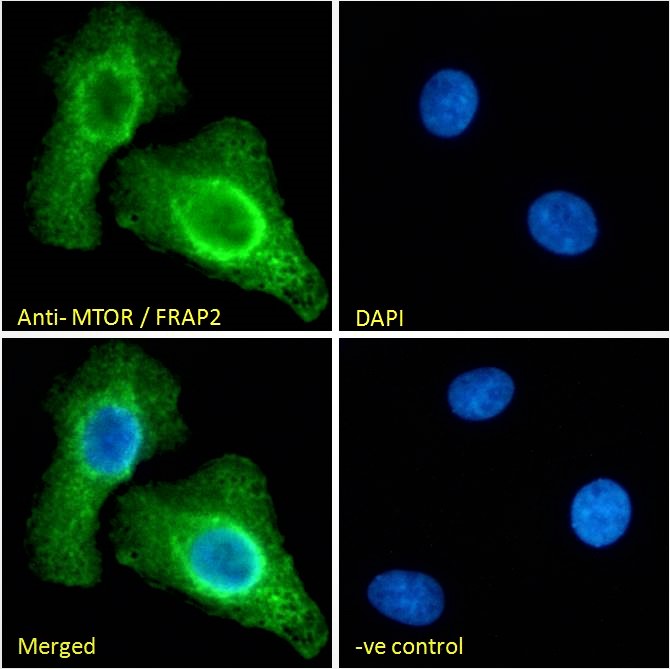
Product group Antibodies

Anti-mTOR AntibodyA121172
ApplicationsImmunoFluorescence, ELISA
ReactivityHuman
- SizePrice
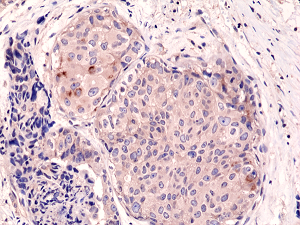
Product group Antibodies

anti-mTOR (human), Rabbit Monoclonal (RM274)REV-31-1155-00
ApplicationsWestern Blot, ImmunoHistoChemistry
ReactivityHuman
TargetMTOR
- SizePrice
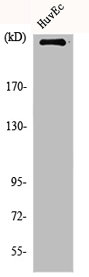
Product group Antibodies

MTOR AntibodyCSB-PA003333
ApplicationsImmunoFluorescence, Western Blot, ELISA, ImmunoHistoChemistry
ReactivityHuman, Mouse, Rat
TargetMTOR
- SizePrice
Product group Antibodies

ApplicationsImmunoFluorescence, ELISA
ReactivityCanine, Human, Mouse, Porcine, Rat
TargetMTOR
- SizePrice