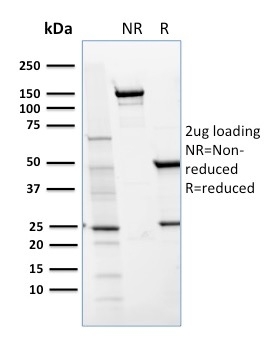
CD36 (Platelet & Microvessel Marker)(GPIIIb/1654), CF405S conjugate, 0.1mg/mL [26628-22-8]
BNC041654

ReactivityBovine, Human, Mouse
Product group Antibodies
TargetCD36
Overview
- SupplierBiotium
- Product NameCD36 (Platelet & Microvessel Marker)(GPIIIb/1654), CF405S conjugate, 0.1mg/mL [26628-22-8]
- Delivery Days Customer9
- CAS Number26628-22-8
- CertificationResearch Use Only
- ClonalityMonoclonal
- Clone IDGPIIIb/1654
- Concentration0.1 mg/ml
- ConjugateOther Conjugate
- Gene ID948
- Target nameCD36
- Target descriptionCD36 molecule (CD36 blood group)
- Target synonymsBDPLT10, CHDS7, FAT, GP3B, GP4, GPIV, PASIV, SCARB3, platelet glycoprotein 4, CD36 antigen (collagen type I receptor, thrombospondin receptor), CD36 molecule (CD36 blood group) transcript, CD36 molecule (thrombospondin receptor), GPIIIB, PAS IV, PAS-4 protein, cluster determinant 36, fatty acid translocase, glycoprotein IIIb, leukocyte differentiation antigen CD36, platelet glycoprotein IV, scavenger receptor class B, member 3
- HostMouse
- IsotypeIgG2a
- Protein IDP16671
- Protein NamePlatelet glycoprotein 4
- Scientific DescriptionRecognizes a protein of 80 kDa-90 kDa, identified as CD36. It is expressed on platelets, monocytes and macrophages, microvascular endothelial cells, erythrocyte precursors, mammary epithelial cells, and some macrophage derived dendritic cells. CD36 acts as a receptor for thrombospondin (TSP), collagen types I, IV and V, P. falciparum malaria-infected erythrocytes, and sickle erythrocytes. It also functions as a scavenger receptor, mediating macrophage uptake of oxidized low-density lipoprotein (LDL) and recognition of apoptotic polymorphonuclear leukocytes (PMN). CD36 plays a role in platelet aggregation, macrophage foam cell development, inflammation, and the tissue ischemia observed in sickle cell disease and cerebral malaria. Note that 1-4% of Japanese and East Asia population lack CD36. Primary antibodies are available purified, or with a selection of fluorescent CF® Dyes and other labels. CF® Dyes offer exceptional brightness and photostability. Note: Conjugates of blue fluorescent dyes like CF®405S and CF®405M are not recommended for detecting low abundance targets, because blue dyes have lower fluorescence and can give higher non-specific background than other dye colors.
- SourceAnimal
- ReactivityBovine, Human, Mouse
- Storage Instruction2°C to 8°C,RT
- UNSPSC41116161
MSDS
Related products

Product group Antibodies

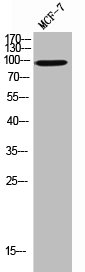
CD36 AntibodyCSB-PA006183
ApplicationsWestern Blot, ELISA
ReactivityHuman, Mouse, Rat
TargetCD36
- SizePrice

Product group Antibodies
References

Anti-CD36 Antibody Picoband(r)A01189-1-CARRIER-FREE
ApplicationsFlow Cytometry, Western Blot
ReactivityHuman, Mouse, Rat
TargetCD36
- SizePrice
Product group Antibodies

Anti-CD36 [185.IG2], Human IgG1, kappaAB04254-10.0
ApplicationsImmunoFluorescence, ImmunoPrecipitation, ImmunoHistoChemistry, Neutralisation/Blocking
ReactivityHuman, Mouse
TargetCD36
- SizePrice
Product group Antibodies

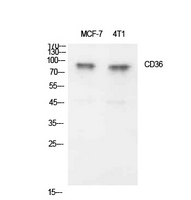
Anti-CD36 AntibodyA98246
ApplicationsWestern Blot, ELISA
ReactivityHuman, Mouse, Rat
- SizePrice
Product group Antibodies

CD36 Antibody (clone 5-271, FITC)LS-C811575
ApplicationsFlow Cytometry
ReactivityHuman
TargetCD36
- SizePrice


Product group Antibodies

Anti-CD36 AntibodyHPA002018
ApplicationsImmunoCytoChemistry, ImmunoHistoChemistry
ReactivityHuman
TargetCD36
- SizePrice
![Untreated (–) and treated (+) THP-1 whole cell extracts (30 μg) were separated by 7.5% SDS-PAGE, and the membrane was blotted with CD36 antibody [C1C3] (GTX100642) diluted at 1:1000. The HRP-conjugated anti-rabbit IgG antibody (GTX213110-01) was used to detect the primary antibody, and the signal was developed with Trident ECL plus-Enhanced.](https://www.genetex.com/upload/website/prouct_img/normal/GTX100642/GTX100642_42298_20220923_WB_treatment_PMA_22092622_830.webp)
Product group Antibodies

CD36 antibody [C1C3]GTX100642
ApplicationsImmunoFluorescence, Western Blot, ImmunoCytoChemistry, ImmunoHistoChemistry, ImmunoHistoChemistry Paraffin
ReactivityHuman, Mouse
TargetCD36
- SizePrice