

Estrogen Receptor beta antibody [6A12]
GTX70178

ApplicationsImmunoFluorescence, Western Blot, ChIP Chromatin ImmunoPrecipitation, ImmunoCytoChemistry, ImmunoHistoChemistry
Product group Antibodies
ReactivityHuman
TargetESR2
Overview
- SupplierGeneTex
- Product NameEstrogen Receptor beta antibody [6A12]
- Delivery Days Customer9
- Application Supplier NoteWB: 1 - 5 microg/ml. *Optimal dilutions/concentrations should be determined by the researcher.Not tested in other applications.
- ApplicationsImmunoFluorescence, Western Blot, ChIP Chromatin ImmunoPrecipitation, ImmunoCytoChemistry, ImmunoHistoChemistry
- CertificationResearch Use Only
- ClonalityMonoclonal
- Clone ID6A12
- Concentration1 mg/ml
- ConjugateUnconjugated
- Gene ID2100
- Target nameESR2
- Target descriptionestrogen receptor 2
- Target synonymsER-BETA, ESR-BETA, ESRB, ESTRB, Erb, NR3A2, ODG8, estrogen receptor beta, estrogen receptor beta 2, estrogen receptor beta 4, nuclear receptor subfamily 3 group A member 2, oestrogen receptor beta
- HostMouse
- IsotypeIgG2a
- Protein IDQ92731
- Protein NameEstrogen receptor beta
- Scientific DescriptionThis gene encodes a member of the family of estrogen receptors and superfamily of nuclear receptor transcription factors. The gene product contains an N-terminal DNA binding domain and C-terminal ligand binding domain and is localized to the nucleus, cytoplasm, and mitochondria. Upon binding to 17beta-estradiol or related ligands, the encoded protein forms homo- or hetero-dimers that interact with specific DNA sequences to activate transcription. Some isoforms dominantly inhibit the activity of other estrogen receptor family members. Several alternatively spliced transcript variants of this gene have been described, but the full-length nature of some of these variants has not been fully characterized. [provided by RefSeq, Jul 2008]
- ReactivityHuman
- Storage Instruction-20°C or -80°C,2°C to 8°C
- UNSPSC12352203
References
- Paruthiyil S, Cvoro A, Tagliaferri M, et al. Estrogen receptor β causes a G2 cell cycle arrest by inhibiting CDK1 activity through the regulation of cyclin B1, GADD45A, and BTG2. Breast Cancer Res Treat. 2011,129(3):777-84. doi: 10.1007/s10549-010-1273-5Read this paper
- Vivar OI, Zhao X, Saunier EF, et al. Estrogen receptor beta binds to and regulates three distinct classes of target genes. J Biol Chem. 2010,285(29):22059-66. doi: 10.1074/jbc.M110.114116Read this paper
- Vivar OI, Saunier EF, Leitman DC, et al. Selective activation of estrogen receptor-beta target genes by 3,3'-diindolylmethane. Endocrinology. 2010,151(4):1662-7. doi: 10.1210/en.2009-1028Read this paper
- Ivanova MM, Mazhawidza W, Dougherty SM, et al. Activity and intracellular location of estrogen receptors alpha and beta in human bronchial epithelial cells. Mol Cell Endocrinol. 2009,305(1-2):12-21. doi: 10.1016/j.mce.2009.01.021Read this paper
- Klinge CM, Wickramasinghe NS, Ivanova MM, et al. Resveratrol stimulates nitric oxide production by increasing estrogen receptor alpha-Src-caveolin-1 interaction and phosphorylation in human umbilical vein endothelial cells. FASEB J. 2008,22(7):2185-97. doi: 10.1096/fj.07-103366Read this paper
- Cvoro A, Paruthiyil S, Jones JO, et al. Selective activation of estrogen receptor-beta transcriptional pathways by an herbal extract. Endocrinology. 2007,148(2):538-47.Read this paper
- Cvoro A, Tzagarakis-Foster C, Tatomer D, et al. Distinct roles of unliganded and liganded estrogen receptors in transcriptional repression. Mol Cell. 2006,21(4):555-64.Read this paper
- Tee MK, Rogatsky I, Tzagarakis-Foster C, et al. Estradiol and selective estrogen receptor modulators differentially regulate target genes with estrogen receptors alpha and beta. Mol Biol Cell. 2004,15(3):1262-72.Read this paper
Datasheet
Related products
Product group Antibodies

Esr2 Polyclonal AntibodyCAC07131
ApplicationsWestern Blot, ELISA, ImmunoHistoChemistry
ReactivityMouse
TargetESR2
- SizePrice

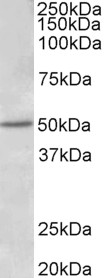
Product group Antibodies

ApplicationsImmunoFluorescence, Western Blot, ELISA
ReactivityHuman
- SizePrice
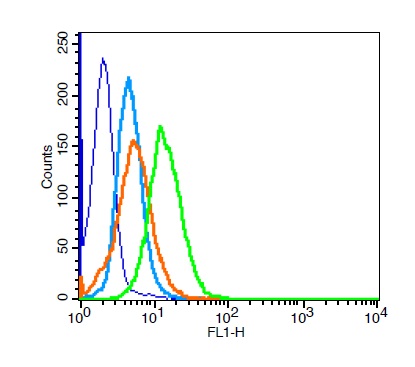
Product group Antibodies
References

Estrogen receptor beta AntibodyBS-0116R
ApplicationsImmunoFluorescence, Western Blot, ELISA, ImmunoCytoChemistry, ImmunoHistoChemistry, ImmunoHistoChemistry Frozen, ImmunoHistoChemistry Paraffin
ReactivityHuman, Mouse, Rat
TargetESR2
- SizePrice

Product group Antibodies

Anti-ESR2 Antibody144-02546
ApplicationsWestern Blot, ImmunoHistoChemistry
ReactivityHuman, Mouse, Rat
TargetESR2
- SizePrice
Product group Antibodies

Anti-estrogen receptor beta [CO1531]AB02568-10.0-BT
ApplicationsImmunoPrecipitation, Western Blot
ReactivityHuman
TargetESR2
- SizePrice
Product group Antibodies

ApplicationsWestern Blot, ELISA, ImmunoHistoChemistry
ReactivityHuman
TargetESR2
- SizePrice
Product group Antibodies
References
ApplicationsDot Blot, Flow Cytometry, ImmunoFluorescence, Western Blot, ChIP Chromatin ImmunoPrecipitation, ImmunoCytoChemistry, ImmunoHistoChemistry, ImmunoHistoChemistry Frozen, ImmunoHistoChemistry Paraffin
ReactivityHuman, Monkey, Mouse
TargetESR2
- SizePrice
Product group Antibodies
ApplicationsWestern Blot, ImmunoHistoChemistry, ImmunoHistoChemistry Paraffin
ReactivityHuman
TargetESR2
- SizePrice