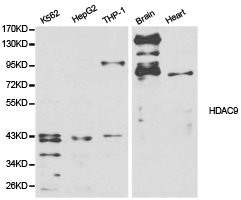
Western blot analysis of extracts of various cell lines, using HDAC9 antibody.
Western blot analysis of extracts of various cell lines, using HDAC9 antibody.
HDAC9 Antibody
CSB-PA010245KA01HU

ApplicationsWestern Blot, ELISA, ImmunoHistoChemistry
Product group Antibodies
ReactivityHuman, Mouse, Rat
TargetHDAC9
Overview
- SupplierCusabio
- Product NameHDAC9 Antibody
- Delivery Days Customer20
- ApplicationsWestern Blot, ELISA, ImmunoHistoChemistry
- CertificationResearch Use Only
- ClonalityPolyclonal
- ConjugateUnconjugated
- Gene ID9734
- Target nameHDAC9
- Target descriptionhistone deacetylase 9
- Target synonymsARCND4, HD7, HD7b, HD9, HDAC, HDAC7, HDAC7B, HDAC9B, HDAC9FL, HDRP, MITR, histone deacetylase 9, MEF-2 interacting transcription repressor (MITR) protein, histone deacetylase 4/5-related protein, histone deacetylase 7B
- HostRabbit
- IsotypeIgG
- Protein IDQ9UKV0
- Protein NameHistone deacetylase 9
- Scientific DescriptionIn the intact cell, DNA closely associates with histones and other nuclear proteins to form chromatin. The remodeling of chromatin is a critical component of transcriptional regulation and the acetylation of nucleosomal histones is a major source of this remodeling. Acetylation of lysine residues in the amino terminal tail domain of histone results in an allosteric change in the nucleosomal conformation and an increased accessibility to transcription factors by DNA. Several mammalian proteins function as nuclear histone acetylases, including GCN5, PCAF (p300/CBP-associated factor), p300/CBP, HAT1 and the TFIID subunit TAF II p250. Conversely, the deacetylation of histones is associated with transcriptional silencing. The histone deacetylases (HDAC) include HDAC1-9. HDAC9 and HDAC9a are two alternatively spliced isoforms of HDAC9. HDAC9a is 132 amino acids shorter than HDAC9, but both isoforms contain the HDAC catalytic domain, remain capable of deacetylase activity and repress myoctye enhancer-binding factor 2-mediated transcription. HDAC9 and HDAC9a are expressed in brain, skeletal muscle, kidney, placenta and pancreas.
- ReactivityHuman, Mouse, Rat
- Storage Instruction-20°C or -80°C
- UNSPSC41116161
Related products

Product group Antibodies

Anti-HDAC9 Antibody Picoband(r)A02177-4-CARRIER-FREE
ApplicationsFlow Cytometry, ImmunoFluorescence, Western Blot, ELISA, ImmunoCytoChemistry
ReactivityHuman, Mouse, Rat
TargetHDAC9
- SizePrice
Product group Antibodies

Anti-HDAC9 Antibody144-01516
ApplicationsWestern Blot
ReactivityHuman, Mouse, Rat
TargetHDAC9
- SizePrice

Product group Antibodies

ApplicationsImmunoPrecipitation, Western Blot, ImmunoCytoChemistry, ImmunoHistoChemistry
ReactivityRat
TargetHDAC9
- SizePrice
Product group Antibodies

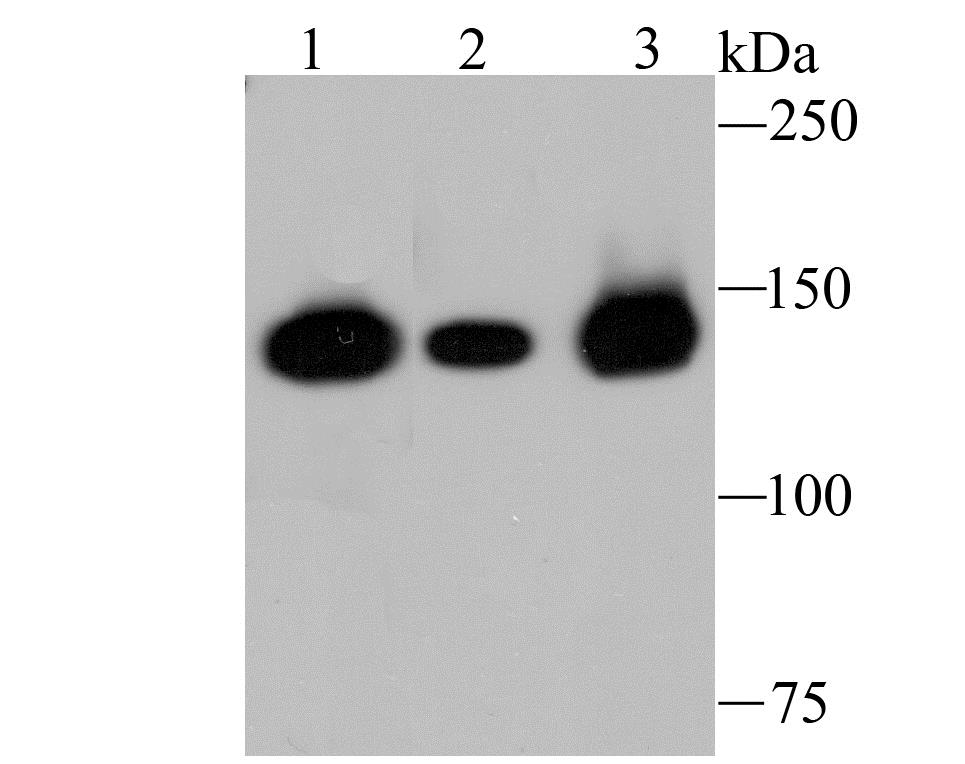
HDAC9 Recombinant AntibodyBSM-54186R
ApplicationsFlow Cytometry, ImmunoFluorescence, Western Blot, ImmunoCytoChemistry, ImmunoHistoChemistry, ImmunoHistoChemistry Paraffin
ReactivityHuman
TargetHDAC9
- SizePrice
Product group Antibodies

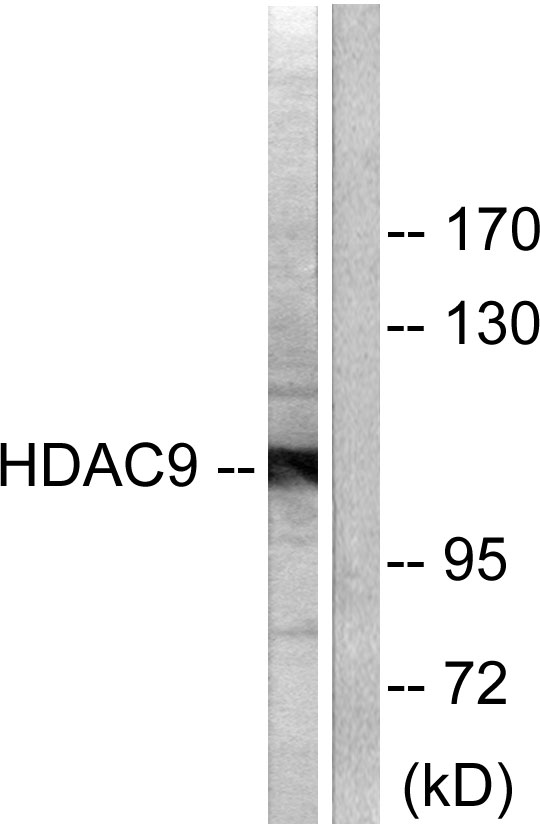
Anti-HDAC9 AntibodyA98657
ApplicationsImmunoFluorescence, Western Blot, ELISA, ImmunoHistoChemistry
ReactivityHuman
- SizePrice

Product group Antibodies
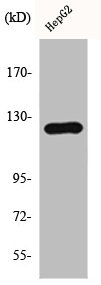
HDAC5/HDAC9 AntibodyCSB-PA002890
ApplicationsWestern Blot, ELISA, ImmunoHistoChemistry
ReactivityHuman, Mouse
TargetHDAC9
- SizePrice

Product group Antibodies

Anti-HDAC9 AntibodyHPA028926
ApplicationsImmunoCytoChemistry, ImmunoHistoChemistry
ReactivityHuman
TargetHDAC9
- SizePrice