Anti-BMAL1 Antibody
ER1706-71

ApplicationsImmunoFluorescence, Western Blot, ImmunoHistoChemistry, ImmunoHistoChemistry Paraffin
Product group Antibodies
ReactivityHuman, Mouse, Rat
TargetBMAL1
Overview
- SupplierHUABIO
- Product NameAnti-BMAL1 Antibody
- Delivery Days Customer7
- ApplicationsImmunoFluorescence, Western Blot, ImmunoHistoChemistry, ImmunoHistoChemistry Paraffin
- Applications SupplierWB,IF-Cell,IHC-P,FC
- CertificationResearch Use Only
- ClonalityPolyclonal
- Concentration1 mg/ml
- ConjugateUnconjugated
- Gene ID406
- Target nameBMAL1
- Target descriptionbasic helix-loop-helix ARNT like 1
- Target synonymsARNTL, ARNTL1, BMAL1c, JAP3, MOP3, PASD3, TIC, bHLHe5, basic helix-loop-helix ARNT-like protein 1, ARNT-like protein 1, brain and muscle, PAS domain containing 3, PAS domain-containing protein 3, aryl hydrocarbon receptor nuclear translocator like, aryl hydrocarbon receptor nuclear translocator-like protein 1, bHLH-PAS protein JAP3, basic helix-loop-helix family member e5, basic-helix-loop-helix-PAS orphan MOP3, basic-helix-loop-helix-PAS protein MOP3, brain and muscle ARNT-like 1, class E basic helix-loop-helix protein 5, member of PAS protein 3, member of PAS superfamily 3, mutant basic helix-loop-helix ARNT-like protein 1, testis tissue sperm-binding protein Li 50e
- HostRabbit
- IsotypeIgG
- Protein IDO00327
- Protein NameBasic helix-loop-helix ARNT-like protein 1
- Scientific DescriptionAryl hydrocarbon receptor nuclear translocator-like protein 1 (ARNTL) or brain and muscle ARNT-Like 1 (BMAL1) is a protein that in humans is encoded by the ARNTL gene, also known as BMAL1, MOP3, and, less commonly, bHLHe5, BMAL, BMAL1C, JAP3, PASD3, and TIC. ARNTL encodes a transcription factor with a basic helix-loop-helix (bHLH) and two PAS domains. The human ARNTL gene has a predicted 24 exons and is located on the p15 band of the 11th chromosome.[4] The ARNTL protein is 626 amino acids long and plays a key role as one of the positive elements in the mammalian auto-regulatory transcription-translation negative feedback loop (TTFL), which is responsible for generating molecular circadian rhythms. Research has revealed that ARNTL is the only clock gene without which the circadian clock fails to function in humans. ARNTL has also been identified as a candidate gene for susceptibility to hypertension, diabetes, and obesity, and mutations in ARNTL have been linked to infertility, gluconeogenesis and lipogenesis problems, and altered sleep patterns. ARNTL, according to genome-wide profiling, is estimated to target more than 150 sites in the human genome, including all of the clock genes and genes encoding for proteins that regulate metabolism.
- ReactivityHuman, Mouse, Rat
- Reactivity SupplierHuman,Mouse,Rat
- Storage Instruction-20°C,2°C to 8°C
- UNSPSC41116161
Datasheet
Related products

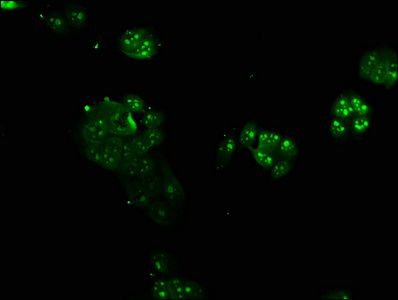
Product group Antibodies

ARNTL AntibodyCSB-PA002123LA01HU
ApplicationsImmunoFluorescence, ELISA
ReactivityHuman
TargetBMAL1
- SizePrice

Product group Antibodies

Anti-BMAL1/ARNTL Antibody Picoband(r)A00260-1-CARRIER-FREE
ApplicationsFlow Cytometry, Western Blot
ReactivityHuman, Mouse, Rat
TargetBMAL1
- SizePrice
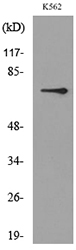
Product group Antibodies

Anti-BMAL1 AntibodyA97688
ApplicationsWestern Blot, ELISA
ReactivityHuman, Mouse, Rat
- SizePrice
Product group Antibodies

Goat anti-BMAL1 / ARNTLEB09178
ApplicationsWestern Blot, ELISA
ReactivityBovine, Canine, Human, Mouse, Porcine, Rat
TargetBMAL1
- SizePrice

Product group Antibodies

Anti-ARNTL AntibodyHPA050938
ApplicationsImmunoCytoChemistry
ReactivityHuman
TargetBMAL1
- SizePrice
Product group Antibodies

ARNTL / BMAL1 AntibodyLS-C401453
ApplicationsWestern Blot, ELISA
ReactivityHuman, Mouse, Rat
TargetBMAL1
- SizePrice
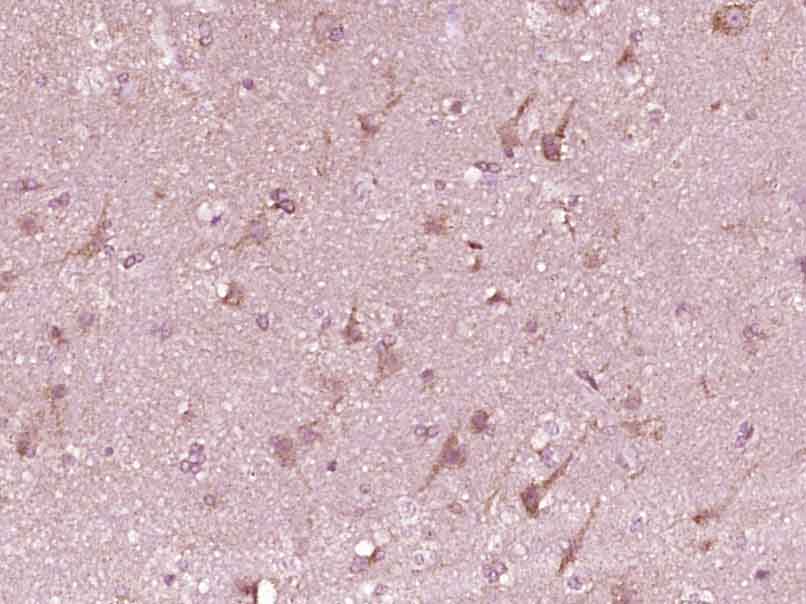
Product group Antibodies

BMAL1 Polyclonal Antibodybs-3750R
ApplicationsFlow Cytometry, ImmunoFluorescence, Western Blot, ELISA, ImmunoCytoChemistry, ImmunoHistoChemistry, ImmunoHistoChemistry Frozen, ImmunoHistoChemistry Paraffin
ReactivityBovine, Canine, Equine, Human, Mouse, Porcine, Rat, Sheep
TargetBMAL1
- SizePrice
![Treated 293T whole cell extracts (30 μg) were separated by 7.5% SDS-PAGE, and the membranes were blotted with BMAL1 antibody [N1N3] (GTX105060) and PER2 antibody (GTX129688) diluted at 1:500. The HRP-conjugated anti-rabbit IgG antibody (GTX213110-01) was used to detect the primary antibody.](https://www.genetex.com/upload/website/prouct_img/normal/GTX105060/GTX105060_39876_20191025_WB_treatment_Serumshock_watermark_w_23060120_168.webp)
Product group Antibodies

BMAL1 antibody [N1N3]GTX105060
ApplicationsImmunoFluorescence, Western Blot, ImmunoCytoChemistry
ReactivityHuman, Mouse
TargetBMAL1
- SizePrice