

Anti-Tau Antibody
R1401-7

ApplicationsImmunoFluorescence, Western Blot, ImmunoHistoChemistry, ImmunoHistoChemistry Paraffin
Product group Antibodies
ReactivityHuman, Mouse, Rat
TargetMAPT
Overview
- SupplierHUABIO
- Product NameAnti-Tau Antibody
- Delivery Days Customer7
- ApplicationsImmunoFluorescence, Western Blot, ImmunoHistoChemistry, ImmunoHistoChemistry Paraffin
- Applications SupplierWB,IF-Cell,IHC-P
- CertificationResearch Use Only
- ClonalityPolyclonal
- Concentration1 mg/ml
- ConjugateUnconjugated
- Gene ID4137
- Target nameMAPT
- Target descriptionmicrotubule associated protein tau
- Target synonymsDDPAC, FTD1, FTDP-17, MAPTL, MSTD, MTBT1, MTBT2, PPND, PPP1R103, TAU, Tau-PHF6, tau-40, microtubule-associated protein tau, G protein beta1/gamma2 subunit-interacting factor 1, PHF-tau, Tau-derived paired helical filament hexapeptide, neurofibrillary tangle protein, paired helical filament-tau, protein phosphatase 1, regulatory subunit 103
- HostRabbit
- IsotypeIgG
- Protein IDP10636
- Protein NameMicrotubule-associated protein tau
- Scientific DescriptionTau protein is a highly soluble microtubule-associated protein (MAP). In humans, these proteins are found mostly in neurons compared to non-neuronal cells. One of taus main functions is to modulate the stability of axonal microtubules. Other nervous system MAPs may perform similar functions, as suggested by tau knockout mice that did not show abnormalities in brain development - possibly because of compensation in tau deficiency by other MAPs. Six tau isoforms exist in human brain tissue, and they are distinguished by their number of binding domains. Three isoforms have three binding domains and the other three have four binding domains. Tau is a phosphoprotein with 79 potential Serine (Ser) and Threonine (Thr) phosphorylation sites on the longest tau isoform. Phosphorylation has been reported on approximately 30 of these sites in normal tau proteins. Hyperphosphorylation of the tau protein (tau inclusions, pTau) can result in the self-assembly of tangles of paired helical filaments and straight filaments, which are involved in the pathogenesis of Alzheimers disease and other tauopathies.
- ReactivityHuman, Mouse, Rat
- Reactivity SupplierHuman,Mouse,Rat
- Storage Instruction-20°C,2°C to 8°C
- UNSPSC41116161
Datasheet
Related products

Product group Antibodies

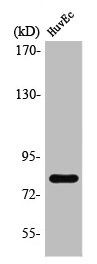
MAPT AntibodyCSB-PA004230
ApplicationsWestern Blot, ELISA
ReactivityHuman, Mouse, Rat
TargetMAPT
- SizePrice

Product group Antibodies

Anti-Tau/MAPT Antibody Picoband(r)A00097-3-CARRIER-FREE
ApplicationsImmunoFluorescence, Western Blot, ELISA, ImmunoCytoChemistry
ReactivityHuman, Mouse, Rat
TargetMAPT
- SizePrice
Product group Antibodies

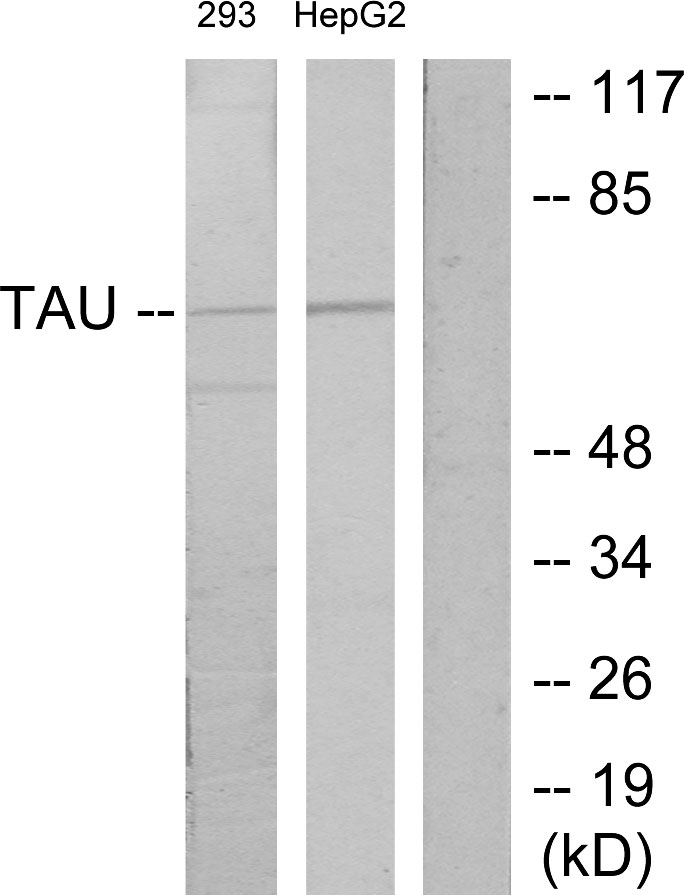
Anti-Tau AntibodyA101586
ApplicationsWestern Blot, ELISA
ReactivityHuman
- SizePrice
Product group Antibodies

Anti-Tau [PC1C6]Ab01120-2.0
ApplicationsWestern Blot, ImmunoHistoChemistry
ReactivityBovine, Human, Rat
TargetMAPT
- SizePrice

Product group Antibodies

Anti-MAPT AntibodyHPA069524
ApplicationsImmunoHistoChemistry
ReactivityHuman
TargetMAPT
- SizePrice
Product group Antibodies

ApplicationsImmunoPrecipitation, Western Blot, ELISA
ReactivityHuman
TargetMAPT
- SizePrice
Product group Antibodies

Mapt Polyclonal AntibodyCAC07406
ApplicationsImmunoFluorescence, Western Blot, ELISA, ImmunoHistoChemistry
ReactivityMouse
TargetMAPT
- SizePrice
Product group Antibodies

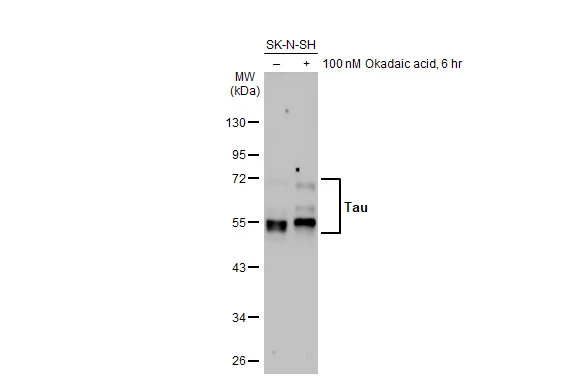
Tau antibodyGTX100866
ApplicationsImmunoFluorescence, Western Blot, ImmunoCytoChemistry, ImmunoHistoChemistry, ImmunoHistoChemistry Paraffin
ReactivityHuman, Mouse, Rat
TargetMAPT
- SizePrice
Product group Antibodies
References

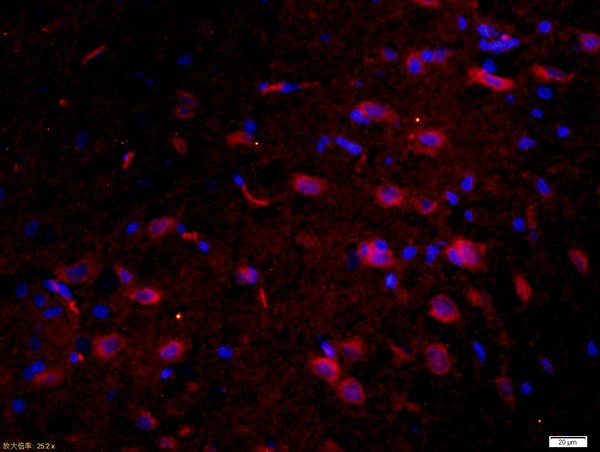
Tau Polyclonal AntibodyBS-0157R
ApplicationsFlow Cytometry, ImmunoFluorescence, Western Blot, ELISA, ImmunoCytoChemistry, ImmunoHistoChemistry, ImmunoHistoChemistry Frozen, ImmunoHistoChemistry Paraffin
ReactivityHuman, Mouse, Rabbit, Rat
TargetMAPT
- SizePrice